
Olivier Pichard / CC BY-SA 3.0, via Wikimedia Commons
Spring cinquefoil: complete guide
Potentilla tabernaemontani
Want to see Spring cinquefoil: complete guide in your garden?
1 minute, no credit card
Overview
Spring cinquefoil, or Potentilla tabernaemontani, is the kind of plant gardeners quietly fall in love with. It doesn't shout, but it shows up every year, blooms reliably, and asks for almost nothing in return. A member of the rose family (Rosaceae), this hardy perennial is native to central and eastern Europe and thrives in temperate gardens across USDA zones 4 to 8. In the UK and similar climates, it's a steady performer from late spring through early autumn.
If you're planning a new garden bed or revamping an old one, gardenworld.app lets you design a layout where Spring cinquefoil fits naturally. Think sunny rock gardens, gravel paths, or low-maintenance borders. This plant isn't flashy, but it's dependable-ideal for gardeners who prefer results over fuss.
Appearance & bloom cycle
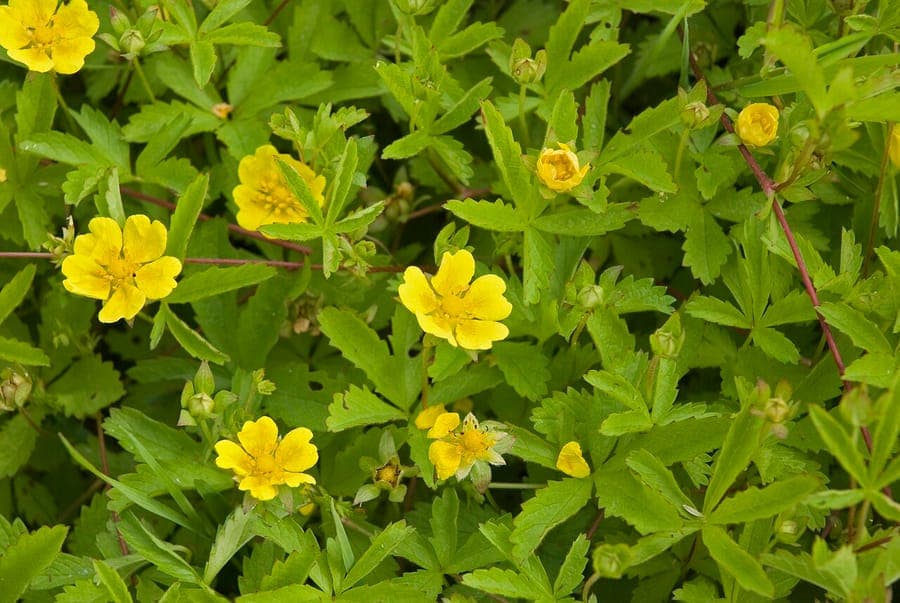
Spring cinquefoil grows 20 to 30 cm tall with a spreading habit. The foliage is palmate, divided into five to seven narrow leaflets, giving it a fine, textured look. From May to August, it produces cheerful yellow flowers, each about 2–3 cm across, with the classic five-petal structure common in the rose family. Blooms appear continuously, especially if you deadhead regularly.
Unlike some perennials that bloom once and fade, this one keeps producing new flowers if you give it a light trim after the first flush. In full sun, flowering is dense and bright; in partial shade, it's more sparse but still present. The plant spreads slowly by creeping stems, forming a soft ground cover over time.
Ideal location
Full sun is best-think six or more hours of direct light. Spring cinquefoil can tolerate light shade, but you'll sacrifice bloom density. It thrives in open borders, rockeries, or along dry stone walls. Avoid damp, shady corners. This is a plant that wants to bake a little, not huddle under a tree.
In cooler climates, a south-facing slope or wall provides the warmth it likes. If you're planting in containers, ensure good drainage and position them where they catch maximum sunlight.
Soil requirements
Well-drained soil is non-negotiable. Spring cinquefoil dislikes wet feet and is prone to root rot in heavy clay. Sandy or gravelly soils are perfect. It tolerates poor fertility and a pH range from slightly acidic to neutral (5.5–7.0). If you have clay, amend it with sharp sand or grit to improve drainage.
Raised beds or slopes work well. In containers, use a mix of loam, perlite, and a bit of compost. Avoid rich, moist soils-they encourage foliage over flowers.
Free design
Want to see Spring cinquefoil: complete guide in your garden? Make a free design now.
Watering
Once established, this plant is drought-tolerant. During the first growing season, water weekly if rainfall is low. After that, let nature take over. Overwatering is the fastest way to kill it, especially in winter. Water only when the top 5 cm of soil is dry.
In dry spells, a deep soak every two weeks is sufficient. This plant is ideal for low-effort gardens or for people who travel often. It won't wilt dramatically and bounces back quickly after rain.
Pruning
Pruning isn't essential but helps. After the first bloom wave in July, cut back by one-third. This encourages a second flush in late summer. Use clean, sharp shears and avoid cutting into old wood.
In early spring, remove any damaged or dead foliage. Don't cut it back hard unless it's very leggy-this plant doesn't need aggressive renewal.
Maintenance calendar
- February–March: Clear old leaves. No feeding needed.
- April–May: Watch for slugs on new growth. Water if dry.
- June–July: Deadhead spent blooms. Consider light trim after first flush.
- August–September: Reduce watering. Let seedlings self-sow if desired.
- October–January: Leave alone. It's winter-hardy and self-sufficient.
Winter hardiness
Hardy to USDA zone 4 (–34°C), Spring cinquefoil survives most European and North American winters without protection. Foliage may die back, but the crown remains alive. In milder zones (7–8), it often stays semi-evergreen.
No winter mulch is required, but in areas with wet winters, a light layer of gravel or dry leaves can prevent crown rot.
Companion plants
Pair it with drought-tolerant perennials like Sedum, Nepeta, or Echinacea. It contrasts beautifully with spiky grasses or silver-foliage plants like Artemisia. Avoid aggressive spreaders like mint or ground ivy that hog moisture.
In a cottage garden, it fits well with Campanula or Delphinium. In a modern gravel garden, combine with Allium or Thymus for texture and scent.
You can test plant combinations on gardenworld.app before lifting a spade-great for visualising spacing and seasonal interest.
Closing
Spring cinquefoil is the quiet achiever of the border. It doesn't demand attention, yet delivers colour and structure for months. It's perfect for beginner gardeners or anyone tired of high-maintenance plants.
You'll find it at garden centres across the UK and North America, often labelled simply as 'Spring cinquefoil'. Buy in spring or early autumn for best root establishment. Keep it in sun, keep it dry, and it'll keep blooming.
Simple, solid, and steady-that's the story of Potentilla tabernaemontani.
Want to see Spring cinquefoil: complete guide in your garden? Make a free design now.
Upload a photo, pick a style, and get a photorealistic design with plant list in under a minute.
No credit card required


Similar plants
Siberian crab apple: complete guide
Malus x robusta
Complete guide to the Siberian crab apple (Malus x robusta): location, soil, pruning, winter hardiness and the best companion plants for your garden.
Chinese flowering crabapple (Malus x spectabilis): complete guide
Malus x spectabilis
Meet the Chinese flowering crabapple (Malus x spectabilis): a classic spring bloomer with carmine buds and pink blossom.
Potentilla crassinervia: complete guide
Potentilla crassinervia
Potentilla crassinervia, the Corsican cinquefoil, grows wild on Corsica and Sardinia's peaks. Discover how to grow this hardy alpine rock garden gem.