
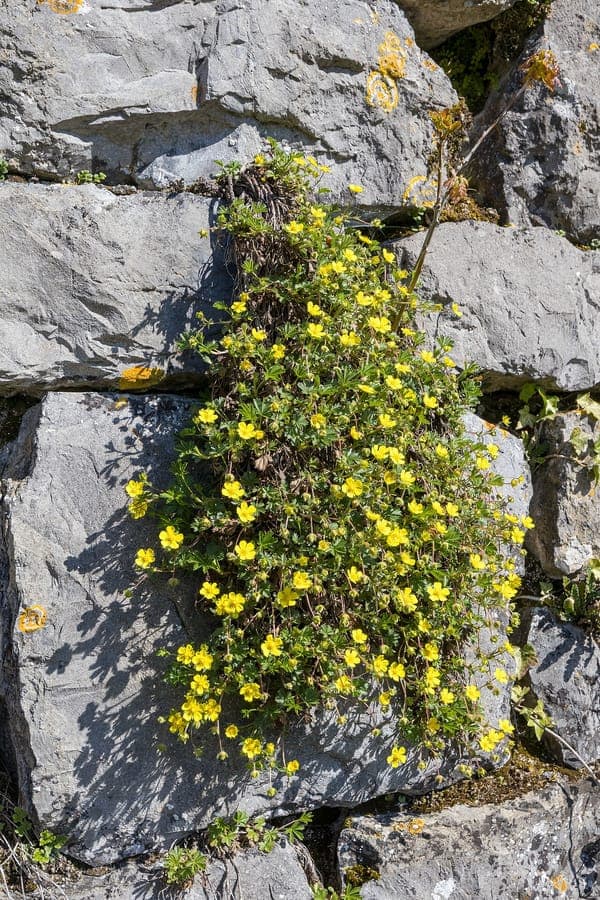
JackyM59 / CC BY-SA 4.0, via Wikimedia Commons
Potentilla pusilla: complete guide
Potentilla pusilla
Want to see Potentilla pusilla: complete guide in your garden?
1 minute, no credit card
Overview
Potentilla pusilla, also known as Fuzzy Cinquefoil or Sternharig Spring-Cinquefoil, is a charming, low groundcover from Central and Southeast Europe. This species grows naturally in dry, rocky habitats from Albania to Ukraine, mostly on calcareous mountain slopes.
This is a perfect plant for those wanting delicate, flower-heavy ground layer in rock or alpine gardens. With its fine foliage and yellow spring flowers, Potentilla pusilla offers refined yet striking visual impact for its small size.
Appearance & bloom
Potentilla pusilla is a compact, spreading-growing plant, usually only 10-15 cm tall. The leaves are small, divided, and hairy, giving the plantlet a soft, silvery appearance. In early spring (March-May), numerous small yellow flowers appear above the foliage.
The flowers are simple and regular, with five petals typical of the Rose family. They are yellow to lemon-colored and offer long-lasting bloom, usually 6-8 weeks. After flowering, the flowers fade, but the foliage remains decorative.
In summer, the plant stays compact and green, without much further bloom. The plant is semi-evergreen, meaning it can stay green in mild winters, but may partially die back in severe winters.
Ideal location
Potentilla pusilla grows best in full sun. This is essential for optimal flowering and compact growth. Plants in partial shade will feel less obliged and will become taller, less flowering.
Provide an open spot with at least 6 hours of direct sunlight daily. The plant can tolerate strong wind and actually appreciates it, as it helps keep the plant compact.
Avoid moist, shaded locations. This can lead to diseases and poor growth patterns.
Soil
Potentilla pusilla grows best in dry to moderately dry, well-drained soil. Calcareous soils are ideal, but not absolutely necessary. The plant tolerates poor, unfertile soils better than rich ones.
Sand, gravel, loam, and chalk are favorable soil ingredients. Avoid heavy, water-retaining clay soils. If you have heavy clay, work sand and gravel into it.
The pH can be neutral to slightly basic. This suits the alpine nature of this plant well.
Free design
Want to see Potentilla pusilla: complete guide in your garden? Make a free design now.
Watering
Once established, Potentilla pusilla is very drought-resilient. Water when planting (spring is best), but after that, most plant specimens can do very well without artificial watering.
In extremely dry summers, some waterings may help, but this is not critical. Overwatering is worse than too little water - this can cause rot and disease.
In wet winters, drainage can be important. Ensure water doesn't stand around the root zone.
Pruning
Potentilla pusilla requires very limited pruning. After bloom, faded flowers can be trimmed to tidy the appearance and possibly encourage second flowering, though this doesn't always happen.
In spring, you can remove dead or damaged parts. Major pruning is not needed because the plant naturally stays compact.
If the plant becomes very messy after winter, you can gently cut back up to 1/3 of height in early spring.
Maintenance calendar
Spring (March-April): Plant new specimens. Check for winter damage. Remove dead parts.
Summer (May-July): Enjoy bloom in early months. Later, spent flowers can be removed. Monitor for drought in very hot periods.
Autumn (August-October): Plant may slowly decline. Minimal action needed.
Winter (December-February): Protection not needed in most Dutch areas. Ensure good drainage.
Winter hardiness
Potentilla pusilla is winter hardy in the Netherlands, down to average -15 to -20 C. This makes it suitable for all provinces. In extremely cold years, young plants may suffer some winter damage, but mature specimens usually survive.
In snowy winters, the plant can be protected under snow cover. Ensure snow doesn't stay on too long after thawing.
Companion plants
Potentilla pusilla grows beautifully in rock gardens or alpine troughs with other small, full-sun-loving groundcovers. Nice combinations with Sedum, Sempervivum, Saxifrage, or other alpine plants.
Also suitable for fronts of perennial borders in dry, sunny sections. Combine with other early-blooming, drought-loving small plants.
Avoid grasses or strong growers nearby, as they can overgrow this gentle plant.
Closing
Potentilla pusilla is a worthwhile choice for those seeking refined, early-flowering color in dry, sunny garden corners. With its compact growth and long-lasting yellow spring flowers, this alpine plant adds classic charm. Plant in well-drained, dry soil in full sun and enjoy this European jewel.
Specialized rock garden nurseries or alpine plant nurseries supply seed or young plants. For more inspiration, visit gardenworld.app.
Want to see Potentilla pusilla: complete guide in your garden? Make a free design now.
Upload a photo, pick a style, and get a photorealistic design with plant list in under a minute.
No credit card required


Similar plants
Siberian crab apple: complete guide
Malus x robusta
Complete guide to the Siberian crab apple (Malus x robusta): location, soil, pruning, winter hardiness and the best companion plants for your garden.
Chinese flowering crabapple (Malus x spectabilis): complete guide
Malus x spectabilis
Meet the Chinese flowering crabapple (Malus x spectabilis): a classic spring bloomer with carmine buds and pink blossom.
Potentilla crassinervia: complete guide
Potentilla crassinervia
Potentilla crassinervia, the Corsican cinquefoil, grows wild on Corsica and Sardinia's peaks. Discover how to grow this hardy alpine rock garden gem.