
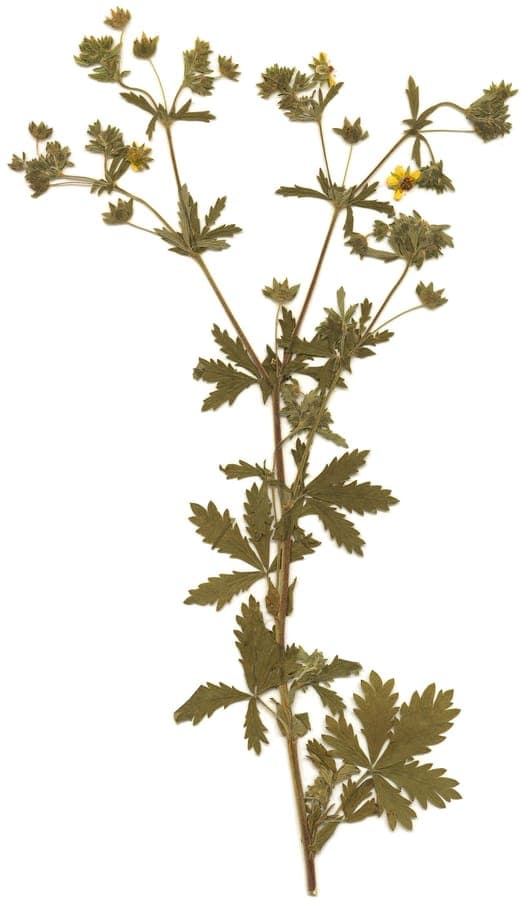
Benutzer:Fornax and I dropped out the background / Public domain, via Wikimedia Commons
Downy cinquefoil: complete guide
Potentilla intermedia
Want to see Downy cinquefoil: complete guide in your garden?
1 minute, no credit card
Overview
Potentilla intermedia, commonly known as Downy cinquefoil, is a resilient herbaceous perennial that belongs to the Rosaceae family. Native to regions across Eastern and Central Europe - including Belarus, Poland, the Baltic States, and western Russia - this plant thrives in dry, open habitats like grasslands, roadsides, and rocky slopes. Despite its rugged origins, it fits beautifully in modern gardens, especially those designed for sustainability and minimal upkeep. It's a standout for gardeners dealing with poor soil and long dry spells, offering months of cheerful yellow blooms without fuss.
On gardenworld.app, you can design a drought-resistant garden layout where Downy cinquefoil plays a central role, blending function with long-term beauty. Hardy to USDA zone 3, it handles cold winters and hot summers with equal ease, making it a reliable choice across much of Europe and North America.
Appearance & bloom cycle
Downy cinquefoil grows 30–50 cm tall with a spread of 40–60 cm, forming a compact, upright mound. The foliage is pinnate, divided into five to seven narrow, slightly hairy leaflets that give the plant a soft, textured look. The leaves are mid-green to grey-green and remain neat throughout the season.
From June to September, the plant produces a steady succession of small, bright yellow flowers, each about 2–2.5 cm across. The five glossy petals surround a dense cluster of golden stamens, creating a bold, sunny effect. Blooms appear singly or in small clusters at the stem tips, and the flowering period is impressively long with little need for deadheading.
Ideal location
This plant loves full sun - aim for a light score of 8 or higher. It performs best in open, unshaded spots that receive sun from morning to late afternoon. South- or southwest-facing borders, rock gardens, or gravel beds are ideal. While it can tolerate light shade (up to 30%), flowering diminishes, and stems may become leggy.
Downy cinquefoil also works well in containers, provided the pot has excellent drainage. Use a mix of compost and grit, and place it on a sunny patio or balcony. It's a great fit for urban gardens where space and soil quality are limited.
Soil requirements
Well-drained soil is essential. Avoid heavy clay unless you amend it with sharp sand or fine gravel. The plant prefers neutral to slightly alkaline conditions, with a pH between 7.0 and 7.5. It grows well in sandy, loamy, or stony soils but struggles in waterlogged or acidic ground.
One of its biggest strengths is tolerance for poor, infertile soil. Fertilizing isn't necessary and can actually reduce flowering by promoting leafy growth. Over-rich soil leads to floppy stems and a shorter lifespan.
Free design
Want to see Downy cinquefoil: complete guide in your garden? Make a free design now.
Watering
Once established (after the first growing season), Downy cinquefoil is highly drought-tolerant. During the first summer, water weekly with 5–7 litres per plant during dry spells. After that, it survives on rainfall alone in most climates. Always water at the base to keep foliage dry and reduce the risk of fungal diseases.
Avoid overwatering - soggy roots will quickly lead to rot.
Pruning
Pruning isn't required, but a hard cutback in late winter or early spring (March) improves the plant's shape and vigour. Trim stems down to 10–15 cm above ground level to encourage fresh, bushy growth. This also prevents the centre from becoming woody and sparse.
Optional deadheading during summer can prolong blooming, but it's not essential. The plant self-cleans well, and seed heads add winter interest for birds.
Maintenance calendar
- Jan: Check for dieback, remove any debris
- Feb: Prepare tools for pruning
- Mar: Cut back old stems to 10–15 cm
- Apr: Watch for new shoots emerging
- May: Monitor for slugs on young growth
- Jun: Flowering begins; no extra care needed
- Jul: Water only in prolonged drought
- Aug: Peak bloom period
- Sep: Let late flowers fade naturally
- Oct: Leave seed heads for wildlife or collect for sowing
- Nov: No action required
- Dec: Fully dormant; no protection needed
Winter hardiness
Downy cinquefoil is hardy to USDA zone 3 (-40°C). It survives cold winters without mulch or cover. The top growth dies back in autumn, but the crown and roots remain alive underground. Leaving the old stems through winter provides shelter for beneficial insects and adds visual texture to the dormant garden.
On gardenworld.app, you can map out a winter-resilient planting scheme featuring Downy cinquefoil alongside other hardy perennials for year-round structure.
Companion plants
Pair this plant with drought-tolerant species like Salvia nemorosa, Sedum 'Autumn Joy', Stachys byzantina, or Eryngium planum. The yellow flowers contrast beautifully with purple, blue, or silver foliage. Grasses like Deschampsia cespitosa add movement and backdrop.
Avoid moisture-loving plants such as Astilbe or hostas, which require different care. Also skip aggressive spreaders that might overwhelm the cinquefoil.
Closing
Downy cinquefoil is a tough, long-blooming perennial that asks for little and gives back much. It's perfect for sunny, dry borders, rock gardens, or low-maintenance landscapes. With no need for fertiliser, minimal watering, and solid winter performance, it's a smart choice for sustainable gardening. You'll find Potentilla intermedia at garden centres across the UK and North America, especially in spring. Look for it at major retailers or independent nurseries. Give it a try in a tough spot - you'll be rewarded with months of golden blooms and zero regrets.
Want to see Downy cinquefoil: complete guide in your garden? Make a free design now.
Upload a photo, pick a style, and get a photorealistic design with plant list in under a minute.
No credit card required


Similar plants
Siberian crab apple: complete guide
Malus x robusta
Complete guide to the Siberian crab apple (Malus x robusta): location, soil, pruning, winter hardiness and the best companion plants for your garden.
Chinese flowering crabapple (Malus x spectabilis): complete guide
Malus x spectabilis
Meet the Chinese flowering crabapple (Malus x spectabilis): a classic spring bloomer with carmine buds and pink blossom.
Potentilla crassinervia: complete guide
Potentilla crassinervia
Potentilla crassinervia, the Corsican cinquefoil, grows wild on Corsica and Sardinia's peaks. Discover how to grow this hardy alpine rock garden gem.