
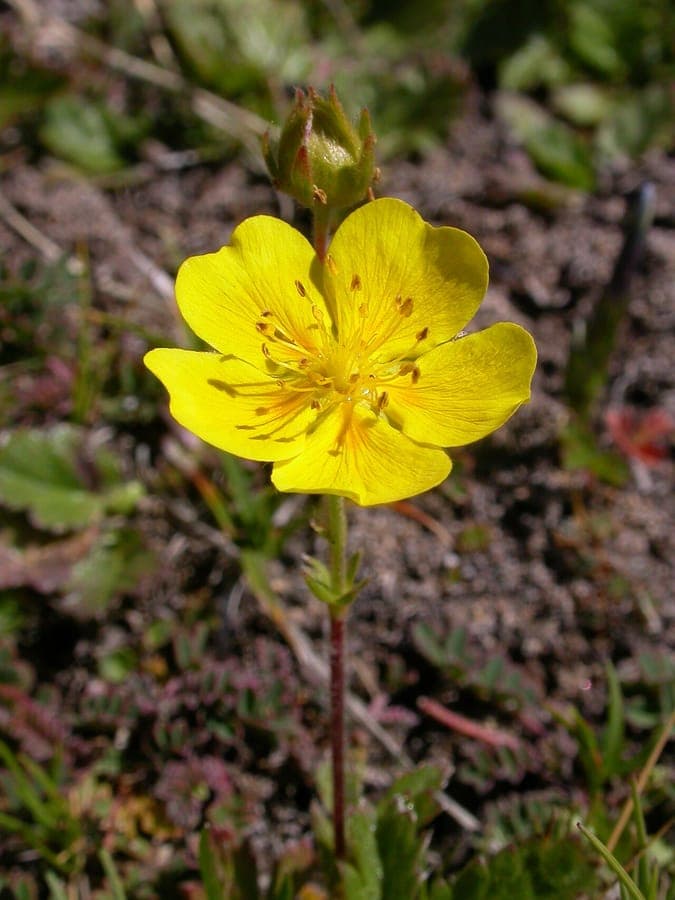
No machine-readable author provided. Thommybe assumed (based on copyright claims). / CC BY-SA 3.0, via Wikimedia Commons
Grobltiges fingerkraut: complete guide
Potentilla grandiflora
Want to see Grobltiges fingerkraut: complete guide in your garden?
1 minute, no credit card
Overview
Potentilla grandiflora, commonly known as Grobltiges fingerkraut, is a resilient and long-lived perennial that brings cheerful yellow blooms to gardens from early summer into autumn. Native to alpine regions of Austria, France, Italy, and Switzerland, this plant thrives in well-drained, sunny spots and is perfectly suited for rock gardens, dry borders, or gravel landscapes. It typically grows 20–30 cm tall and spreads slowly by underground runners.
What sets this potentilla apart is its ability to handle tough conditions-poor soil, drought, and cold winters. It's hardy to USDA zone 3, making it a reliable choice across much of Europe and North America. If you're planning a xeriscape or low-water garden, Grobltiges fingerkraut is a top contender. On gardenworld.app, you can design a layout that highlights its drought-resistant qualities.
Appearance & bloom cycle
The foliage of Potentilla grandiflora is palmate, with five to seven narrow, lance-shaped leaflets that form a soft green carpet. The leaves are slightly hairy, giving them a delicate texture. The flowers are the standout feature: large for a potentilla, measuring 4–5 cm across, with five bright yellow petals and a contrasting dark yellow center.
Bloom time runs from June through August, often extending into September in mild summers. Each flower lasts about a week, but new buds form continuously, creating a long display. When planted in groups, the effect is a sea of golden flowers that shimmer in the sun.
Ideal location
This plant needs full sun-aim for at least 6 hours of direct sunlight daily. It tolerates light shade but will produce fewer flowers. Choose open areas with good air circulation to prevent fungal issues, especially in humid climates.
It works well at the front of borders, on slopes, or in rock gardens. Avoid planting under dense tree canopies where light and airflow are limited. For inspiration on where to place it in your garden, check gardenworld.app for microclimate-based planting suggestions.
Soil requirements
Grobltiges fingerkraut isn't fussy about soil type. It grows in sandy, loamy, or even clay soils as long as drainage is good. The ideal pH range is slightly acidic to neutral (5.5–7.0). If you have heavy clay, mix in coarse sand or grit to improve drainage.
Unlike many perennials, this plant doesn't need rich, fertile soil. In fact, too much fertility leads to excessive leaf growth and fewer blooms. Avoid adding compost or manure at planting unless the soil is extremely poor.
Free design
Want to see Grobltiges fingerkraut: complete guide in your garden? Make a free design now.
Watering
Once established, this plant is highly drought-tolerant. During the first growing season, water weekly to help roots settle. After that, supplemental watering is rarely needed, even during dry spells.
When you do water, soak the soil deeply to encourage deep root development. Avoid frequent shallow watering. Overhead watering should be minimized to reduce the risk of leaf diseases. A gravel mulch helps retain moisture without increasing humidity around the base.
Pruning
Pruning isn't essential, but it improves plant shape and flowering. After the main bloom period (late August to early September), cut back the plant by about one-third using sharp shears. This encourages bushier growth and may trigger a second, lighter flush of blooms.
Deadhead spent flowers during summer to keep the plant tidy and redirect energy into new growth. In early spring, remove any old, woody stems to make room for fresh foliage.
Maintenance calendar
- February–March: Inspect for dead or damaged stems. Remove by hand or with pruners.
- April: Apply a light fertilizer if soil is poor (half a glass of lime-free feed per m²).
- May: Monitor for emerging buds. Water if conditions are dry.
- June–August: Peak bloom. Remove faded flowers occasionally.
- September: Cut back by one-third. Transplant any self-sown seedlings.
- October–November: Leave stems intact for winter interest. Apply gravel mulch if desired.
- December–January: No action needed. Plant is dormant.
Winter hardiness
This potentilla is extremely cold-hardy, surviving temperatures down to -35°C (USDA zone 3). Foliage may turn brown in harsh winters, but new growth emerges from the base in spring.
The main winter threat isn't cold, but wet soil. Ensure good drainage to prevent root rot. Avoid organic mulches that retain moisture; use gravel instead to keep the crown dry.
Companion plants
Pair Grobltiges fingerkraut with other drought-tolerant perennials like Sedum 'Autumn Joy', Thyme, or Catmint. These combinations offer texture contrast and extended seasonal interest.
It also looks great with Lavender or Sage for a Mediterranean feel. In rock gardens, combine it with Stonecrop or Lady's Mantle for a naturalistic look.
Closing
Grobltiges fingerkraut is an underrated gem for low-maintenance gardens. It's tough, reliable, and supports pollinators with its nectar-rich blooms. For gardeners seeking a carefree, sun-loving perennial, this plant delivers.
You'll find Potentilla grandiflora at garden centres across Europe. Look for young plants in 9x9 cm pots for best results. Use gardenworld.app to pair it with complementary plants and create a resilient, flowering garden design.
Want to see Grobltiges fingerkraut: complete guide in your garden? Make a free design now.
Upload a photo, pick a style, and get a photorealistic design with plant list in under a minute.
No credit card required


Similar plants
Siberian crab apple: complete guide
Malus x robusta
Complete guide to the Siberian crab apple (Malus x robusta): location, soil, pruning, winter hardiness and the best companion plants for your garden.
Chinese flowering crabapple (Malus x spectabilis): complete guide
Malus x spectabilis
Meet the Chinese flowering crabapple (Malus x spectabilis): a classic spring bloomer with carmine buds and pink blossom.
Potentilla crassinervia: complete guide
Potentilla crassinervia
Potentilla crassinervia, the Corsican cinquefoil, grows wild on Corsica and Sardinia's peaks. Discover how to grow this hardy alpine rock garden gem.