
Jerzy Opioła / CC BY-SA 4.0, via Wikimedia Commons
Braun's hollyfern: complete guide
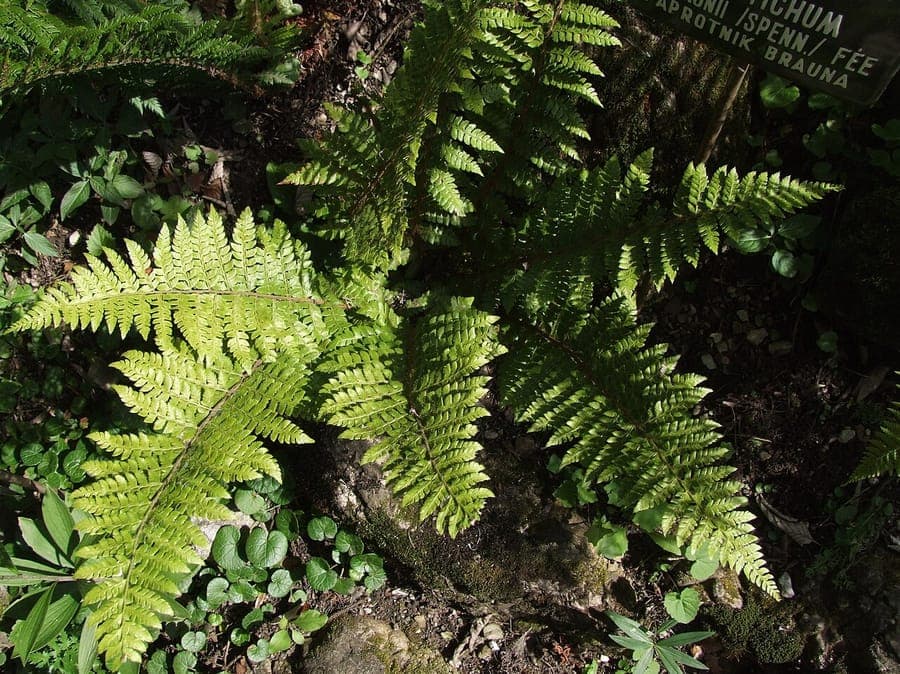
Polystichum braunii
Want to see Braun's hollyfern: complete guide in your garden?
1 minute, no credit card
Overview
Polystichum braunii, commonly known as Braun's hollyfern, is a graceful, evergreen fern that brings texture and quiet elegance to shaded garden corners. Native to forested regions across northern and central Europe, parts of Asia, and western North America, this fern thrives in cool, moist, humus-rich soils typical of deciduous woodlands. In the garden, it forms dense, arching clumps of dark green fronds that slowly spread via underground rhizomes, making it an excellent ground cover for low-light areas.
Unlike many ferns that demand perfect conditions, Braun's hollyfern is relatively adaptable-just keep it away from hot, dry sun. It's a reliable performer in USDA zones 5 to 8, where it stays green all winter, adding structure even in the bleakest months. If you're designing a woodland-style garden or need a tough but attractive plant for a tricky shady spot, this fern deserves a spot on your list. Using gardenworld.app, you can visualise how this fern fits into your shade garden layout, helping you plan spacing and companion planting with precision.
Appearance & bloom cycle
This fern doesn't produce flowers-like all ferns, it reproduces via spores. But its visual appeal lies in its finely divided, lance-shaped fronds that grow 30–60 cm long. The fronds are pinnate, with small, glossy, dark green leaflets that have a slightly toothed edge, reminiscent of holly leaves (hence the name). New growth emerges in spring as tightly coiled fiddleheads, unfurling into elegant arches.
The spore-bearing structures, called sori, appear on the undersides of the fertile fronds in late spring to mid-summer. They form neat rows along the veins and start green before turning brown as they mature. While not showy, they're a fascinating part of the plant's natural cycle. The fronds remain evergreen but may show some winter scorch in exposed sites-older fronds are best left in place until new growth pushes through in spring.
Ideal location
Plant Braun's hollyfern in light to full shade. It performs best under the dappled shade of deciduous trees like beech or maple, or along a north- or east-facing wall. Avoid south-facing spots with intense afternoon sun, which can scorch the fronds. It also works well in shaded rock gardens, on slopes, or as understory planting beneath shrubs.
In urban gardens, it adds a naturalistic feel to tight corners or shaded patios. It grows well in containers too, provided the pot stays moist and is placed in a sheltered, shady spot. When planning your layout, consider using gardenworld.app to test different placements and see how light levels change throughout the day.
Soil requirements
This fern prefers moist, well-drained, humus-rich soil with a slightly acidic to neutral pH (5.5–6.5). Heavy clay soils can suffocate the roots if they stay waterlogged, while sandy soils dry out too quickly. Improve soil structure by mixing in leaf mould, compost, or well-rotted bark before planting.
If your garden has poor soil, consider amending it deeply or planting in raised beds. A 5–7 cm layer of organic mulch (like shredded leaves or pine needles) helps retain moisture and slowly feeds the soil as it breaks down. Test your soil's pH at local garden centres if unsure-many carry simple kits.
Free design
Want to see Braun's hollyfern: complete guide in your garden? Make a free design now.
Watering
Consistent moisture is key. Water regularly during dry spells, especially in the first year after planting. Once established, it's more resilient but still dislikes prolonged drought. Use rainwater when possible, as this fern can be sensitive to lime and chemicals in tap water.
Avoid overhead watering if you can-it keeps the crown too wet and may encourage fungal issues. Instead, water at the base. Mulching reduces evaporation and keeps roots cool. In containers, check moisture daily in summer, as pots dry out fast.
Pruning
Pruning is minimal. In early spring, remove any tattered, brown, or winter-damaged fronds before new fiddleheads emerge. Cut them close to the base with clean, sharp scissors. Don't cut into the crown-just remove the old fronds.
Leaving old fronds through winter actually protects the crown from frost. Only remove them when new growth begins to push through. Never prune in late summer or autumn, as this removes the plant's energy reserves for winter.
Maintenance calendar
- January–February: Dormant period. Leave old fronds for protection.
- March: Remove dead fronds. Apply a thin layer of compost around the base.
- April–May: New fronds unfurl. Keep soil moist. Watch for slugs.
- June–August: Water during dry periods. Top up mulch if needed.
- September–October: No active care needed. Inspect for pests or disease.
- November–December: Let plant settle. Avoid fertilising.
Winter hardiness
Hardy in USDA zones 5–8, Braun's hollyfern keeps its foliage through winter. In milder zones, it stays fully green; in colder areas, fronds may bronze slightly but recover in spring. In containers, wrap pots in hessian or bubble wrap to protect roots from freeze-thaw cycles. Avoid exposed, windy sites.
Companion plants
Pair with other shade lovers: Hostas, Hellebores, Heuchera, or Carex varieties. It also complements spring ephemerals like Erythronium or Trillium. Avoid invasive ground covers like ivy. The fern's fine texture contrasts beautifully with bold-leaved plants or soft grasses.
Closing
Polystichum braunii is a low-maintenance, elegant fern that brings year-round interest to shaded gardens. With the right conditions-moist soil, shade, and a bit of organic matter-it thrives with little intervention. Pick it up at garden centres like Wyevale or Thompson & Morgan, or order from specialist fern nurseries. Whether you're refreshing a shady border or designing a woodland retreat, this fern integrates seamlessly. Plan your perfect fern bed using gardenworld.app, where you can map out light patterns and companion plants for a cohesive, thriving design.
Want to see Braun's hollyfern: complete guide in your garden? Make a free design now.
Upload a photo, pick a style, and get a photorealistic design with plant list in under a minute.
No credit card required


Similar plants
Dryopteris sieboldii: complete guide
Dryopteris sieboldii
Discover Dryopteris sieboldii (Siebold's Buckler Fern), an elegant evergreen fern from Asia. Growing tips, care, and uses in shade gardens.
Dryopteris tyrrhena: complete guide
Dryopteris tyrrhena
Discover Dryopteris tyrrhena (Mediterranean Buckler-fern), a rare and exquisite fern species. Growing tips, care, and shade garden design.
Dryopteris villarii: complete guide
Dryopteris villarii
Dryopteris villarii, known as rigid buckler fern, is a shade-loving fern form from the Alps. Discover how to grow and maintain this elegant alpine fern in your garden.