
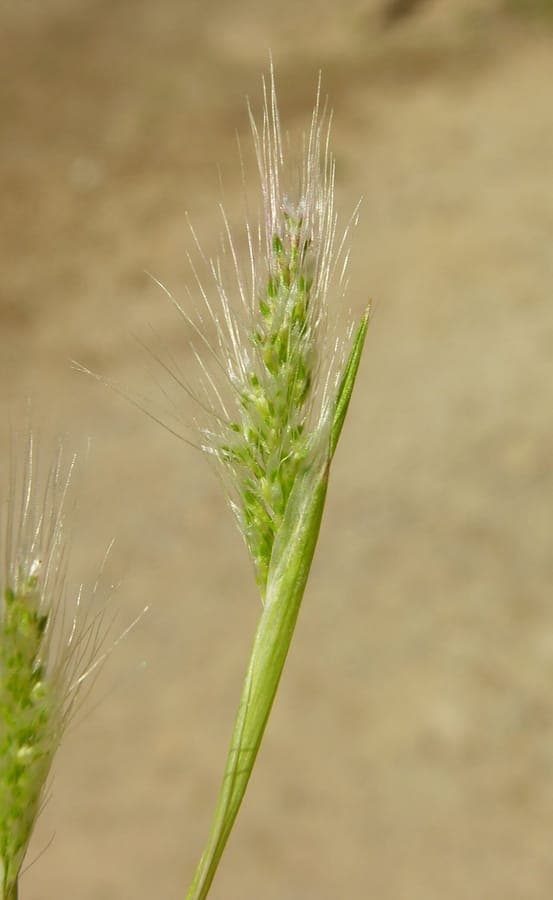
Andrea Moro / CC BY-SA 3.0, via Wikimedia Commons
Polypogon maritimus: complete guide
Polypogon maritimus
Want to see Polypogon maritimus: complete guide in your garden?
1 minute, no credit card
Overview
Polypogon maritimus, commonly known as Mediterranean beard grass or coast beard grass, is a remarkable ornamental grass native to the Mediterranean region and extending eastward to Mongolia. This elegant species has naturalized in parts of California, Nevada, Australia, and other introduced regions with mild climates.
This grassis a godsend for gardeners seeking salt-tolerant, drought-hardy plants with genuine wildlife appeal. Once established, it requires minimal maintenance while providing months of visual interest and ecological support.
Appearance and bloom
Mediterranean beard grass reaches 30-60 cm in height with fine, narrow green foliage that sways elegantly in gentle breezes. The plant produces characteristic flowering panicles from April through October, depending on climate and growing conditions.
The distinctive blooms are densely-packed, purplish-silver spikelets resembling miniature brushes or beards - hence the common name. These delicate structures catch light beautifully, creating a shimmering effect in afternoon sun. The entire flowering head measures 15-25 cm across at maturity.
Seed heads persist well into winter, providing valuable food for birds and winter visual texture. The foliage remains semi-evergreen in mild climates, turning bronze-gold in cooler regions.
Ideal location
Position Polypogon maritimus in full sun, receiving 6-8 hours of direct sunlight daily. The plant tolerates partial shade but blooms more profusely in sunny spots.
This grass excels in coastal environments where salt spray and saline soils challenge most ornamental plants. It naturally grows on salt marshes and seaside meadows, making it invaluable for seaside gardens and properties near marine environments.
Use it to soften hardscape edges, create naturalistic meadows, or anchor mixed perennial borders. The waving plumes create dynamic movement that draws attention to garden focal points.
Soil
Polypogon maritimus adapts to virtually any soil type: sandy, loamy, or clay. The critical requirement is good drainage. Waterlogged conditions quickly prove fatal to this grass.
Preferred pH ranges from 7.0 to 7.5 (slightly alkaline). The plant tolerates poor, nutrient-sparse soils where many ornamentals struggle. For sandy substrates, incorporate compost at planting to improve moisture retention without reducing drainage.
Salt tolerance is exceptional - established plants thrive within 50 meters of ocean spray zones, making this the ideal grass for truly difficult coastal sites.
Free design
Want to see Polypogon maritimus: complete guide in your garden? Make a free design now.
Watering
Once established, Mediterranean beard grass requires minimal supplemental watering. Young plants need regular moisture during the first 6-8 weeks. Water when the top 2-3 cm of soil becomes dry to the touch.
After root establishment, watering is rarely necessary in temperate climates. Only during exceptional droughts lasting 3-4 weeks without rain should you irrigate. Provide deep, infrequent waterings rather than shallow sprinkles.
During hot summers, a single thorough watering every 2-3 weeks maintains vigor. Water in early morning to minimize evaporation and disease pressure.
Pruning
Pruning requirements are minimal. Leave seed heads standing through winter - they provide bird food and architectural interest. In March, before new growth emerges, cut back all dead foliage to 10 cm above ground.
Remove any yellowed or damaged leaves during the growing season. This improves air circulation and prevents fungal disease. Use clean, sharp pruning shears to prevent infection.
Maintenance calendar
January-February: Cut back dead growth; check drainage March-April: Apply compost, begin watering young plants May-June: Monitor for fungal issues, remove self-sown seedlings July-August: Maintain occasional watering, enjoy the show September-October: Flowering complete; leave seed heads for birds November-December: Minimal intervention; maintain winter structure
Winter hardiness
Polypogon maritimus thrives in USDA zones 5-9. The plant is semi-evergreen in mild climates but browns in harsh winters, returning reliably in spring.
Even in severe climates (below -15 degrees Celsius), established plants recover well. Young plants in their first winter deserve mulch protection in continental Europe and northern regions.
Companion plants
Mediterranean beard grass combines beautifully with other coastal-tolerant species:
Armeria maritima (sea thrift) Lavandula angustifolia (English lavender) Spartina patens (saltmeadow cordgrass) Euphorbia x martinii (Martin's spurge) Salvia officinalis (common sage)
These combinations create wildlife-friendly, naturalistic borders requiring minimal intervention.
Closing
Polypogon maritimus isn't merely an ornamental grass - it's an ecological asset. It attracts birds, feeds pollinators, tolerates salt and drought, thrives in poor soil, and virtually requires no maintenance beyond spring tidying.
For gardeners seeking authentic Mediterranean character combined with genuine resilience, this grass delivers. Plant it, enjoy its graceful movement, and let it work for you year-round.
Want to see Polypogon maritimus: complete guide in your garden? Make a free design now.
Upload a photo, pick a style, and get a photorealistic design with plant list in under a minute.
No credit card required


Similar plants
Sporobolus pungens: complete guide
Sporobolus pungens
Sporobolus pungens is a stoloniferous Mediterranean coastal grass with outstanding salt and drought tolerance, perfect for seaside and dry gardens.
Mediterranean aegilops: complete guide
Aegilops biuncialis
Everything about Aegilops biuncialis, a Mediterranean annual grass with ornamental spikes and outstanding drought tolerance for dry gardens.
Silver bluestem: complete guide
Bothriochloa saccharoides
Full guide to Bothriochloa saccharoides (silver bluestem): site, soil, watering, winter hardiness, pruning, and garden companions.