
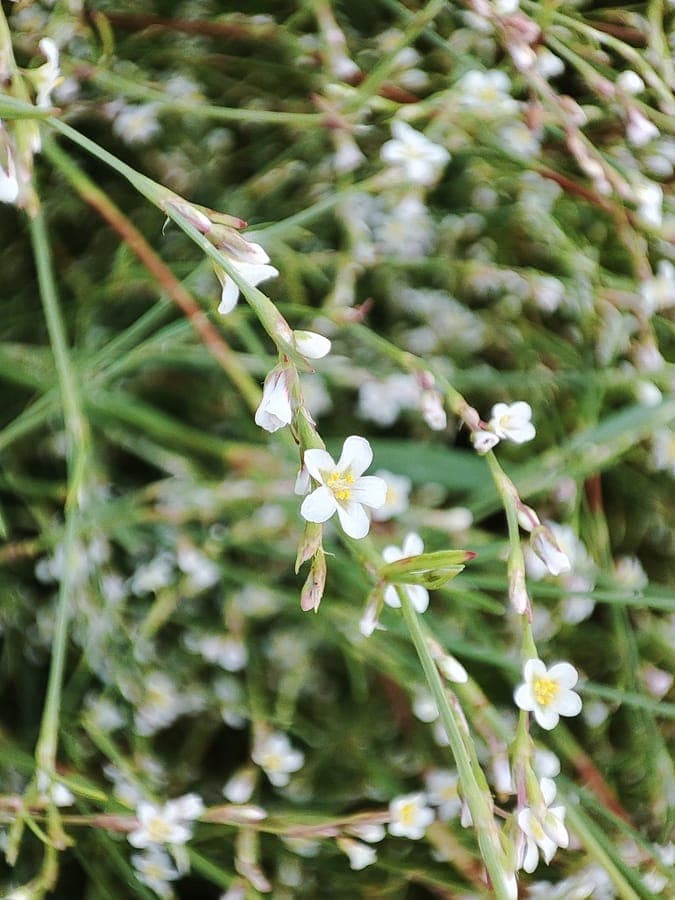
Igor Balashov / CC BY 4.0, via Wikimedia Commons
European knotweed: complete guide
Polygonum arenarium
Want to see European knotweed: complete guide in your garden?
1 minute, no credit card
Overview
Polygonum arenarium, commonly known as European knotweed or sand knotweed, is an interesting herbaceous plant from the Polygonaceae family. This plant originates from Eastern and Southern Europe to the Caucasus and grows naturally on sandy soils and dry terrain. The plant is known for its purple flowers and compact growth, making it ideal for gravel gardens, dry borders, and drought-tolerant landscape design. With its preference for nutrient-rich soils and high light intensity, this plant offers flexibility in diverse garden environments.
Appearance and blooming
Polygonum arenarium is a low-growing herbaceous plant with a branching growth habit. The plant typically reaches 20 to 40 centimeters in height, depending on growing conditions. The stems are thin and branched, with small, narrow leaves. Flowers appear as compact, dense spikes of purple florets, giving the plant an attractive color accent. Blooming occurs from July to September, making it suitable for late-summer gardens. The flowers attract bees and butterflies.
Ideal location
Sand knotweed thrives best in sunny locations with at least 8 hours of direct sunlight daily. The plant can also grow in light shade but flowers most prolifically in full sun. This plant is highly suitable for open borders, gravel gardens, and dry pergolas. Plant in locations where other plants struggle with drought, such as exposed rooftops or steep inclines. The plant tolerates wind well and is suitable for exposed locations.
Soil requirements
Polygonum arenarium prefers moderately fertile, well-draining soils. The plant naturally grows on sandy, dry soils and tolerates limestone substrates well. A pH between 7.5 and 8.0 is ideal. The plant accepts poor soils better than many other garden plants and thrives where nutrient-poor conditions prevail. Heavy clay soils can be improved by adding sand and compost.
Watering
Once established, Polygonum arenarium is highly drought tolerant and requires minimal regular watering. During the establishment phase (first season), water regularly. Afterward, water only during prolonged droughts. The plant prefers drier conditions and waterlogging must be avoided. During heavy rain periods, additional drainage may be beneficial.
Free design
Want to see European knotweed: complete guide in your garden? Make a free design now.
Pruning and maintenance
Polygonum arenarium requires minimal pruning maintenance. The plant grows compact and naturally and doesn't need regular pruning. In spring, dead stems from the previous winter can be removed. After blooming, faded flower spikes can be trimmed to encourage new growth and maintain a neater appearance. No intensive pruning is needed.
Maintenance calendar
Spring (March-May): Remove dead winter stems. Check drainage conditions. Begin drought-tolerant maintenance. No fertilizer needed.
Summer (June-August): Water regularly, especially in the first growing season. Enjoy the growth. Ensure adequate sunlight. No fertilizer needed.
Fall (September-October): The blooming period is at its peak. Gradually reduce watering. Seeds can ripen if desired.
Winter (November-February): Minimal watering. Dead leaves can remain for winter protection. No maintenance needed.
Winter hardiness
Polygonum arenarium is reasonably hardy and can tolerate temperatures down to approximately -10 degrees Celsius. In temperate climates, the plant overwinters outdoors without protection. In very severe winters, protecting the roots with mulch can be beneficial. The plant is susceptible to waterlogging in very wet winters, so good drainage is essential.
Companion plants
Combine Polygonum arenarium with other drought-tolerant plants such as Eryngium species (Sea hollies), ornamental grasses, Perovskia (Russian sage), and Allium species. This combination creates a dry Mediterranean-style border with attractive structure and color. The plant works well in gravel gardens with Armeria (Thrift) and Sedum species.
Closing thoughts
Polygonum arenarium is a valuable addition to drought-tolerant garden designs and gravel gardens. The plant offers purple flowers, drought tolerance, and minimal maintenance requirements in a versatile package. With minimal water and maintenance, this European wildflower will bloom for many years. Enjoy the benefits of this low-maintenance plant in your garden. Explore gardenworld.app for more inspiration on designing drought-tolerant gardens. Check back regularly for additional plant guides on gardenworld.app.
Want to see European knotweed: complete guide in your garden? Make a free design now.
Upload a photo, pick a style, and get a photorealistic design with plant list in under a minute.
No credit card required


Similar plants
Crosby's wild buckwheat: complete guide
Eriogonum crosbyae
Full guide to growing Eriogonum crosbyae: ideal site, soil, watering, winter hardiness and companion plants for this rare western wild buckwheat.
Spreading buckwheat: complete guide
Eriogonum effusum
Full guide to growing Eriogonum effusum: ideal site, soil, watering, winter hardiness and companion plants for this prairie subshrub from the American West.
Tall woolly buckwheat: complete guide
Eriogonum elatum
Full guide to Eriogonum elatum: siting, soil, watering, pruning and companion plants for this elegant white-flowered buckwheat from the western United States.