
Wikimedia Commons / CC BY 1.0, via Wikimedia Commons
Japanese pine: complete guide
Pinus densiflora
Want to see Japanese pine: complete guide in your garden?
1 minute, no credit card
Overview
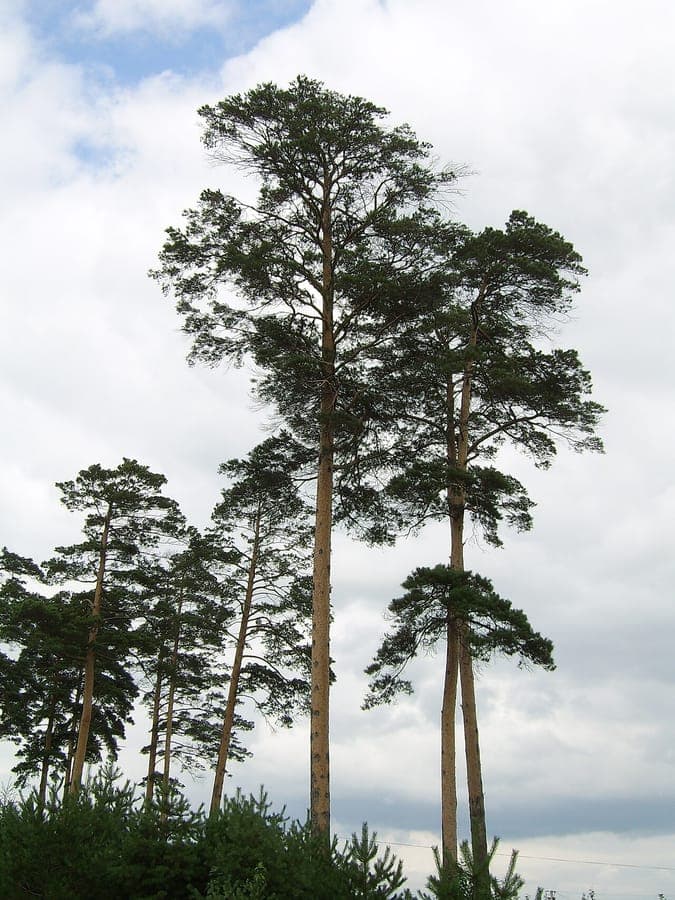
Pinus densiflora, commonly known as Japanese pine, is a graceful evergreen conifer native to Japan, Korea, and parts of eastern Asia including Manchuria and Primorye. In western gardens, it's prized not for rapid growth but for its sculptural form, peeling bark, and year-round presence. It's not a tree for instant gratification, but one that rewards patience with decades of quiet beauty. On gardenworld.app, you can visualise how this pine will mature in your garden, helping you plan not just for now but for the next 20 years.
This pine grows slowly at first, putting on about 20–30 cm per year when young, then tapering off as it matures. In temperate climates like the UK or northern Europe, expect a mature height of 10–14 meters over 30 years, with a spread of 5–7 meters. Its growth habit is irregular and open, often with multiple trunks or a windswept silhouette, especially in exposed locations. It's a tree that feels at home in both formal and wilder garden styles.
Appearance & bloom cycle
The Japanese pine stands out for its distinctive bark, which peels in thin, papery strips revealing warm orange-brown underlayers. This bark becomes more dramatic with age, especially on trunks older than 8 years. The needles are soft, in pairs, and 8–12 cm long, with a bright green to yellow-green hue. They persist for 2–3 years before shedding.
In spring, small purple-brown male cones appear, releasing pollen in May. Female cones are smaller and rounder, maturing over two years to 3–5 cm in length. They open to release seeds in late autumn. While not showy, the seasonal rhythm of cone development adds subtle interest. On gardenworld.app, you can set seasonal alerts to remind you when to watch for new growth or seed dispersal.
Ideal location
Plant in full sun-at least 6 hours of direct light daily. This pine tolerates light shade but grows slower and develops a looser crown. Choose a spot with good air circulation and protection from strong, drying winds, especially in coastal areas. Avoid narrow urban courtyards with reflected heat, as this stresses the tree.
Give it space: plant at least 4 meters from buildings or fences to allow for natural spread. It works well as a specimen tree in larger gardens or as part of a mixed woodland border. It's also effective in Japanese-style gardens, where its asymmetrical form echoes traditional aesthetics.
Soil requirements
Japanese pine prefers well-drained soil and won't tolerate waterlogged conditions. It thrives in sandy or loamy soils with a pH from slightly acidic to neutral (5.5–7.0). Heavy clay is problematic unless amended with grit or planted on a raised bed. Avoid over-fertilising-pines are adapted to low-nutrient soils and too much nitrogen leads to weak, leggy growth.
At planting, mix in a small amount of organic matter-no more than a spadeful per tree. Deep planting is a common mistake: ensure the root collar sits level with or slightly above the soil surface to prevent rot.
Free design
Want to see Japanese pine: complete guide in your garden? Make a free design now.
Watering
Water deeply and infrequently. For the first two years, provide 10–15 litres twice weekly during dry spells (May to August). Use a slow soak method with a seep hose or watering spike to encourage deep rooting. After establishment, it's drought-tolerant but will benefit from occasional watering in prolonged dry periods.
Avoid wetting the foliage-this can encourage fungal diseases. Mulch with pine needles or bark chips to retain moisture and suppress weeds, but keep mulch away from the trunk to prevent collar rot.
Pruning
This pine rarely needs pruning. Its natural form is the goal. Remove only dead, broken, or rubbing branches in late winter or early spring (February–March). Avoid cutting into old wood, as pines don't regenerate from dormant buds.
If shaping is desired, you can lightly pinch new candles in May to encourage bushier growth, a technique borrowed from Japanese bonsai culture. But over-pruning ruins the tree's character. For formal hedges, this species is not ideal-choose a different conifer.
Maintenance calendar
- January: Check for storm damage
- February: Inspect for pests and structural issues
- March: Prune dead wood; prepare soil
- April: Monitor for new growth
- May: Candle pruning (optional); watch for pollen
- June: Minimal care, check soil moisture
- July: Observe needle retention
- August: Water if drought persists
- September: Seed cones may open
- October: Let fallen needles decompose as natural mulch
- November: Protect young trunks from rodents with mesh guards
- December: Avoid heavy snow load on lower branches
Winter hardiness
Hardy in USDA zones 4–7, Japanese pine withstands temperatures down to -30°C. In colder zones, young trees may suffer needle browning, but this is usually cosmetic. Bark splitting from frost can occur in young trees exposed to rapid temperature shifts-especially on south-facing trunks warmed by sun then frozen at night.
Wrap the lower trunk of young trees with breathable horticultural fabric for the first 2–3 winters. Avoid black plastic-it traps moisture and heat. Once established, this pine needs no winter protection.
Companion plants
Pair with plants that share its preference for good drainage and sun. Heathers (Calluna), ornamental grasses (Miscanthus), or low-growing junipers work well. Japanese forest grass (Hakonechloa) or ferns like Dryopteris add soft contrast beneath the canopy.
Avoid moisture-loving plants like hostas directly under the tree-competition for water and shade can weaken both. Instead, use drought-tolerant perennials like Sedum or Echinacea at the edges.
Closing
Pinus densiflora brings structure, texture, and longevity to the garden. It's not flashy, but deeply satisfying to grow. Buy from reputable garden centres in spring or autumn when planting success is highest. Look for healthy, well-rooted specimens without signs of pests. Remember: this pine grows slowly, so start early. On gardenworld.app, you can simulate its growth over time, helping you design a garden that evolves gracefully with it.
Want to see Japanese pine: complete guide in your garden? Make a free design now.
Upload a photo, pick a style, and get a photorealistic design with plant list in under a minute.
No credit card required


Similar plants
Abies delavayi: complete guide
Abies delavayi
Delavayi fir is an elegant, medium-sized coniferous tree from the Pinaceae family with dark green needles. This Asian evergreen is perfect for alpine gardens and large landscapes.
Taiwan fir: complete guide
Abies kawakamii
Discover the magnificent Taiwan fir, a rare evergreen conifer from Taiwan's mountain regions. Learn growth requirements, care tips, and why this beautiful tree is perfect for collectors of unique garden specimens.
Farges fir: complete guide
Abies fargesii
Discover the majestic Farges fir, an impressive conifer from China's mountains with elegant foliage and columnar form. Ideal for large gardens.