
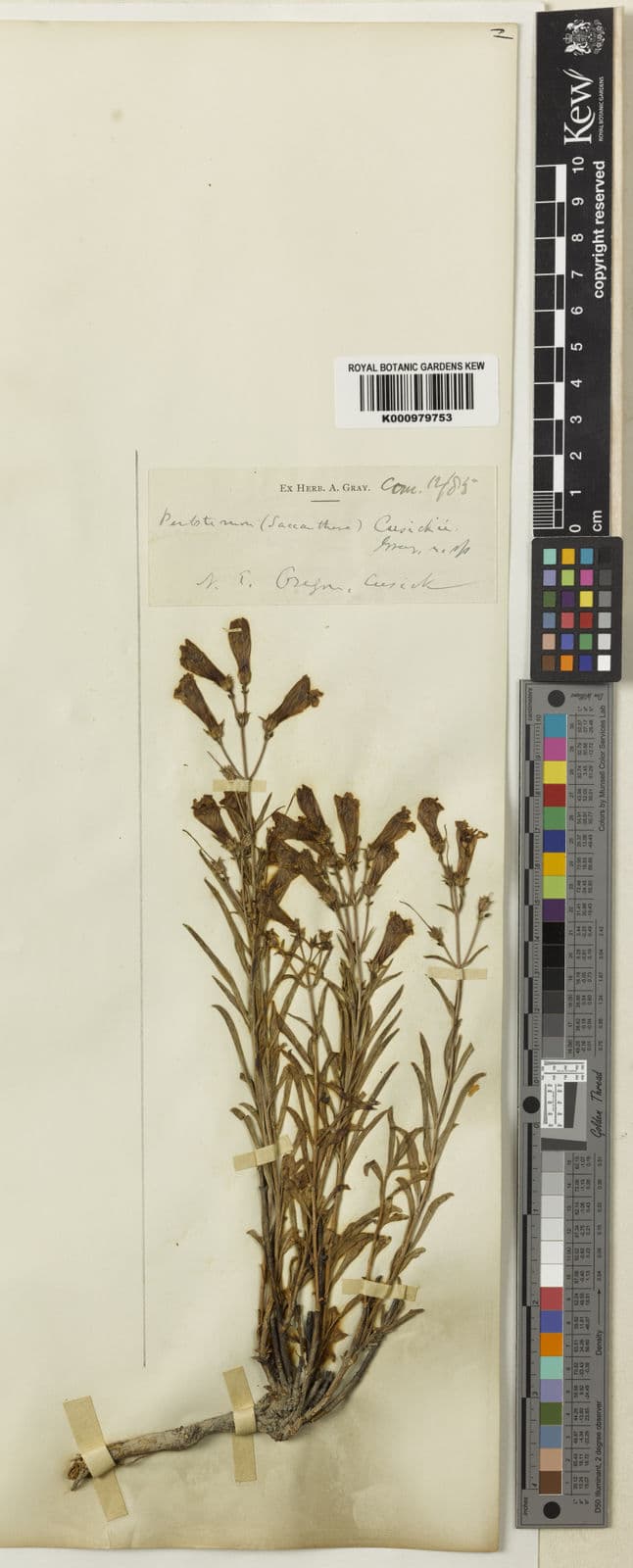
Penstemon cusickii: complete guide
Penstemon cusickii
Want to see Penstemon cusickii: complete guide in your garden?
1 minute, no credit card
Overview
Penstemon cusickii, commonly known as Cusick's beardtongue, is a striking North American alpine plant that perfectly fits modern garden design. This winter-hardy perennial belongs to the Plantaginaceae family and naturally occurs in regions from eastern Oregon to southwestern Idaho. What makes this plant unique is its ability to thrive under the most extreme conditions. With its compact growth habit and stunning flowers, Penstemon cusickii is an ideal choice for gardeners committed to sustainable gardening and water conservation.
Today's garden design increasingly demands plants that require minimal maintenance while delivering maximum aesthetic pleasure. Penstemon cusickii meets both criteria perfectly. When seeking inspiration for your front or back garden, gardenworld.app offers valuable design advice with plant recommendations. This guide will help you learn everything about growing this remarkable plant.
Appearance and Bloom
Penstemon cusickii grows as a compact shrub with a naturally alpine appearance. The plant typically reaches heights of 20-40 cm with a spread of 30-45 cm, making it ideal for borders, rock gardens, and container gardens. The foliage is green to blue-green and remains attractive throughout the growing season.
Flowers appear in summer, typically from May through July, depending on your climate zone. These are the stars of this plant. The tubular flowers range in color from violet to pink, sometimes with purple spots inside the flower tube. They grow in densely packed flowering spikes that rise vertically above the foliage. Bees and hummingbirds cannot resist the flowers, which means your gardens will be more vibrant. The flowers are also excellent for cutting, adding an extra dimension to your interior.
The appearance of these flowering spikes creates a visual highlight in any front yard. With gardenworld.app, you can easily visualize different combinations of flowers and plants to create the perfect design.
Ideal Location
Give this plant full sun, at least 6 hours of direct sunlight daily. Penstemon cusickii absolutely thrives on sun and blooms most abundantly in completely sunny locations. In warmer climates, some afternoon shade can be beneficial, though the plant is generally heat-resistant.
This plant is absolutely unsuitable for shady spots. A half-shade location can work, but will result in fewer flowers and lankier growth. If your garden has lots of shade, find another spot or another species. It's much better to place your plants in the right location than to replace them later.
Excellent for planting on slopes, steep banks, and other difficult-to-reach locations where normal plants refuse to grow. The alpine origin of this plant means it loves slightly elevated locations.
Soil
This is a crucial aspect of Penstemon cusickii cultivation. The plant requires well-draining soil - this is non-negotiable. Heavy clay soils can cause problems, especially in winter conditions. If your soil is clayey, add substantial amounts of gravel, sand, and organic matter.
The ideal pH for this plant ranges between 6.0 and 7.5, which poses no problem for most gardeners. When planting, add compost or other organic matter, but take care not to create nutrient-rich soil. This plant naturally occurs in lean terrain and actually grows better in relatively poor soil.
An ideal mixture would consist of garden soil, coarse sand, and small stones in a ratio of approximately 1:1:1. This will guarantee optimal drainage.
Free design
Want to see Penstemon cusickii: complete guide in your garden? Make a free design now.
Watering
Once established, Penstemon cusickii is quite drought-tolerant. During the first growing season, water regularly until roots are well-established. Ensure the soil doesn't dry out completely, but also never becomes wetter than a wrung-out sponge.
Once the plant is fully established, you can water significantly less. In most climates, rainwater is sufficient. During periods of extreme drought, you can add supplemental water, but this should not be necessary. Too much water, especially in winter, can lead to root rot.
In containers, you'll need to water somewhat more frequently, as soil dries faster. Even then, prevent the soil from becoming waterlogged.
Pruning
Penstemon cusickii requires minimal pruning. After flowering, you can remove dead flower spikes to make the plant look neater and to encourage further blooming. This process is called deadheading.
In early spring, you can remove any damaged or dead branches. Avoid aggressive pruning, as this plant doesn't tolerate heavy pruning well. It's better to respect the plant's natural form.
If the plant becomes bare in the middle after a few years, you can consider taking side cuttings to obtain young plant material.
Maintenance Calendar
March-April: Check for damaged branches. Remove dead plant material. Add a thin layer of compost as mulch.
May-June: The plant begins to flower. Enjoy it and watch for pests.
July-August: Blooming in full swing. Water during extreme drought. Remove spent flower spikes.
September-October: Blooming gradually ends. Remove dead foliage.
November-December: The plant enters winter dormancy. Add mulch in cold climates.
January-February: Minimal activity. Check for winter damage.
Winter Hardiness
Penstemon cusickii is extremely winter-hardy. In its homeland, snow falls regularly, and this plant tolerates temperatures well below freezing without problems. In fact, many Penstemons require winter dormancy to grow well.
In temperate climates, the plant will likely remain semi-evergreen during winter. In very cold climates, it will die back completely to ground level, only to regrow in spring.
A potential issue in wet winters is not the cold, but the moisture. Therefore, ensure your soil drains well. In very wet winter regions, adding extra sand and gravel can mean the difference between success and failure.
Companion Plants
Penstemon cusickii combines excellently with other alpine and xerophyte plants. Consider these combinations:
Sedums and other succulents: These share the same preferences for good drainage and dry conditions. The different foliage colors and structures create beautiful contrasts.
Other Penstemon species: If you love them, try other penstemons like P. davidsonii or P. gracilis. They need the same care and flower at different times.
Alpine grasses: Stipa species and other delicate grasses add movement and texture.
Dictamnus albus: The gas plant combines well with penstemons and has the same drought requirements.
Edelweiss (Leontopodium): This classic alpine treasure works beautifully in the same environment.
Artemisia silvicola: The silvery foliage creates a beautiful contrast with penstemon's purple flowers.
Conclusion
Penstemon cusickii deserves a place in every front yard, especially for those prioritizing drought tolerance and low maintenance. This elegant alpine plant brings out the best in difficult garden areas and adds beauty without much fuss.
Whether you want to create a xeriscape garden or simply garden more sustainably, this plant is an excellent choice. Available at specialty nurseries and garden centers in various sizes. Find more information and plant recommendations on gardenworld.app.
Want to see Penstemon cusickii: complete guide in your garden? Make a free design now.
Upload a photo, pick a style, and get a photorealistic design with plant list in under a minute.
10,000+ gardens designed already
No credit card required


Similar plants
White Beardtongue: complete guide
Penstemon albidus
Discover white beardtongue (Penstemon albidus) - elegant perennial with white to cream flowers. Drought-resistant, perfect for prairie and dry gardens.
Longsepal Beardtongue: complete guide
Penstemon calycosus
Discover longsepal beardtongue (Penstemon calycosus) - beautiful perennial with lilac-blue flowers. For partial shade and moist soil. Ideal for naturalized.
Penstemon davidsonii: complete guide
Penstemon davidsonii
Davidson's penstemon is a low-growing alpine plant with fine pink blooms. Ideal for rock gardens, borders, and hanging cultivation.