
Passiflora antioquiensis: complete guide
Passiflora antioquiensis
Want to see Passiflora antioquiensis: complete guide in your garden?
1 minute, no credit card
Overview
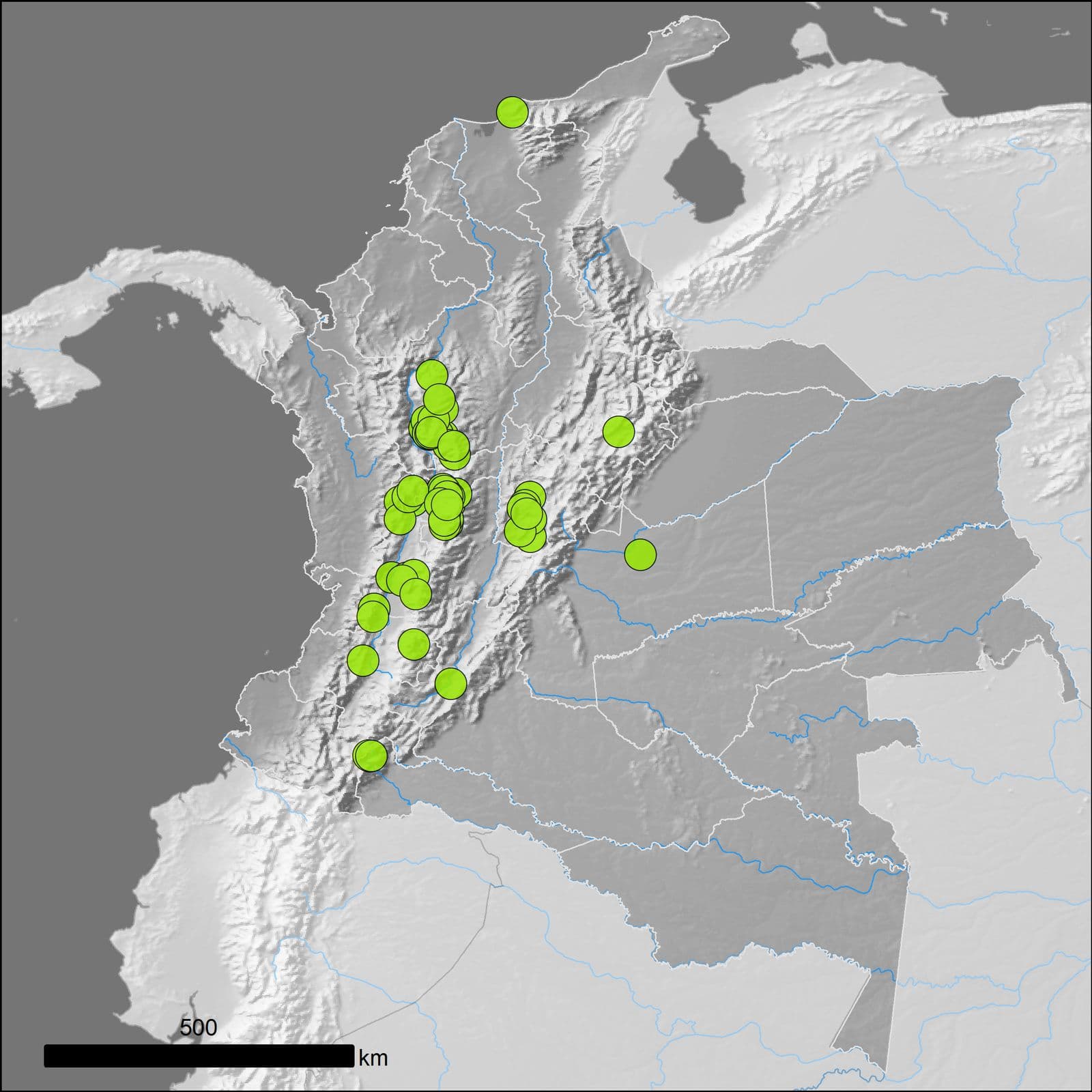
Passiflora antioquiensis, commonly known as banana passionfruit or red banana passionflower, is an evergreen climbing vine in the passionflower family (Passifloraceae). The species occurs naturally in the Andes of Colombia, at elevations between 1800 and 2800 meters, where cloud forests provide a cool, humid climate. The plant has also been introduced to India, New Guinea and Sri Lanka.
That high-elevation origin makes this passionflower unique: unlike most tropical Passiflora species, antioquiensis is accustomed to cooler temperatures, making it somewhat better suited to temperate gardens than most lowland species. On gardenworld.app, this climber is often suggested for sheltered patios, conservatories and sunny walls where a spectacular bloomer is wanted.
The botanical name Passiflora, passionflower, refers to the symbolic resemblance between the flower parts and the Passion of Christ, an association first made by Spanish missionaries in the sixteenth century upon encountering related species in South America. The fruit of Passiflora antioquiensis is eaten locally in Colombia and sometimes processed into juice, though in Europe the plant is grown almost exclusively as an ornamental climber for its spectacular blooms and decorative, hanging fruit.
Appearance and bloom
Unlike many other passionflowers, Passiflora antioquiensis has unlobed, glossy dark green leaves, oblong-oval and 8 to 15 cm long. With support, the twining stems can cover 3 to 6 meters or more, quickly clothing a pergola or trellis.
The flowers are the real spectacle: tubular, 8 to 10 cm long, pink to deep red, hanging gracefully from long flower stalks. From May through October, the plant produces flowers continuously. Following pollination, an elongated, yellow-green, banana-shaped fruit 6 to 9 cm long develops, with sweet, aromatic, edible pulp, hence the common name banana passionfruit.
Ideal location
Passiflora antioquiensis wants a sunny to lightly shaded spot, sheltered from strong wind. A south-facing wall or a sheltered pergola is ideal. The plant always needs a sturdy climbing support: trelliswork, wire, or netting the twining stems can grip.
In the Netherlands, Belgium and most of Germany and France, this passionflower is best grown in a large container so it can be moved indoors for winter. Only in the very mildest coastal regions is a permanent outdoor position feasible.
Soil
This climber loves rich, humus-rich soil with good drainage and a pH between 6.0 and 7.0. Work generous compost or well-rotted manure into the soil at planting time.
In containers, use an airy, nutrient-rich potting mix with some added perlite for drainage. Refresh the top layer of potting soil each spring, and from April through September, apply a liquid flowering fertilizer every four weeks.
Watering
During the growing season, from April through September, Passiflora antioquiensis likes evenly moist soil. Let the top 2 to 3 cm dry slightly between waterings, but never allow the plant to dry out for long periods; this causes leaf drop and reduced flowering.
In winter, when the plant is kept cooler and in lower light (for example in a conservatory or unheated garage), minimal watering is sufficient, just enough to keep the root ball from drying out completely.
Free design
Want to see Passiflora antioquiensis: complete guide in your garden? Make a free design now.
Pruning
Prune Passiflora antioquiensis in late autumn or early spring, sometime in February or March, before new growth begins. Shorten the longest vines to the desired length and remove weak or frost-damaged shoots.
Because the plant flowers mainly on new wood, a firm annual pruning actually encourages richer bloom the following season. You can cut the plant back to about a third of its size if it has grown too lush and unwieldy.
Maintenance calendar
February-March: main pruning, move back outdoors after the last frost.
April-May: new growth begins, start liquid feeding.
May-October: continuous flowering; water and feed regularly.
October: harvest last fruits before nights turn cold.
November-January: winter rest indoors in a cool, bright spot; minimal watering.
Winter hardiness
Passiflora antioquiensis is not frost-hardy: the plant tolerates at most -2 to -4C briefly before damage occurs. This corresponds to USDA zone 9b to 10. In the Netherlands, Belgium, Germany and most of France, the plant must therefore overwinter in a frost-free conservatory, greenhouse, or bright indoor space at 8 to 12C.
In the very mildest coastal regions (parts of the French Riviera), the plant can sometimes overwinter outdoors with protective mulch and windbreak fabric, though this remains a risk.
Companion plants
In a conservatory or greenhouse, Passiflora antioquiensis combines beautifully with potted citrus trees, bougainvillea and other subtropical climbers. On a sheltered outdoor wall, the plant pairs well with Trachelospermum jasminoides and climbing hydrangea.
At specialty nurseries and Intratuin garden centers, exotic climbers are usually stocked in the conservatory or patio section; for the specific species antioquiensis, a tropical plant specialist is often the more reliable source.
Propagation
Passiflora antioquiensis is most reliably propagated from stem cuttings 10 to 15 cm long, taken from semi-hardwood growth in spring or early summer. Remove the lowest leaves, dip the cut end in rooting hormone, and insert the cutting into a moist mix of perlite and coconut coir. At a soil temperature of 22 to 25 degrees Celsius and under plastic covering, rooting usually occurs within 4 to 8 weeks. Propagation from seed is also possible: soak seed in lukewarm water for 24 hours before sowing and keep the seed tray at a minimum of 20 degrees Celsius; germination, however, can be erratic and take anywhere from several weeks to months.
Pests and diseases
Passiflora antioquiensis can suffer from spider mites in dry, indoor conditions, recognizable by fine webbing and yellow speckling on the leaves; raise humidity and treat with a rapeseed-oil-based insecticide if needed. Aphids and mealybugs sometimes appear on young shoots under glass, particularly where air circulation is poor. In cold, wet soil, root rot can develop, so always ensure excellent drainage in containers. Passionvine butterfly caterpillars (Heliconius) can strip foliage under tropical growing conditions, but rarely occur in European gardens.
Closing
With its hanging, graceful flowers and edible banana-shaped fruit, Passiflora antioquiensis brings a touch of the tropical Andes to the European garden. On gardenworld.app you can preview how this spectacular climber fits your pergola or south-facing wall, including the right winter planning. For anyone willing to bring the plant indoors each autumn, this Colombian beauty is one of the most rewarding exotic climbers available.
Want to see Passiflora antioquiensis: complete guide in your garden? Make a free design now.
Upload a photo, pick a style, and get a photorealistic design with plant list in under a minute.
10,000+ gardens designed already
No credit card required


Similar plants
Purple passionflower: complete guide to growing Passiflora incarnata
Passiflora incarnata
Full growing guide for Passiflora incarnata, the hardy purple passionflower for zones 5-9. Planting, pruning, winter care and companion plants included.
Passiflora tenuiloba: complete guide
Passiflora tenuiloba
Birdwing passionflower blooms exotically and grows rapidly. Learn how to cultivate this passion flower in your garden as a vine or container plant.
Passiflora bryonioides: complete guide
Passiflora bryonioides
Cupped passionflower: an attractive climbing plant with exotic flowers from Arizona and Mexico.