
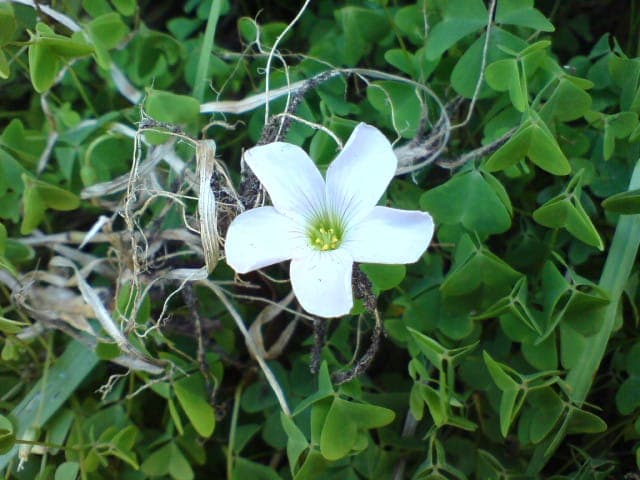
wikixexo, Xexito or Chechof / CC BY-SA 2.0, via Wikimedia Commons
Oxalis incarnata: complete guide
Oxalis incarnata
Want to see Oxalis incarnata: complete guide in your garden?
1 minute, no credit card
Overview
Oxalis incarnata, commonly called lilac oxalis or red woodsorrel, is a captivating perennial from South Africa belonging to the Oxalidaceae family. This delicate plant brings effortless charm with its abundant pale pink to lavender flowers and fine clover-like foliage. Known for its compact growth habit and extended flowering period, it makes an excellent choice for mixed borders, rock gardens, container planting and ground cover in contemporary garden designs.
With soft purple-pink flowers blooming from May through October, the lilac oxalis creates a gentle floral display. The plant typically reaches 15-25 centimeters in height, making it perfect for front garden borders, alpine troughs and container combinations. Its finely divided, three-lobed leaves provide elegant visual lightness that contrasts beautifully with the delicate blooms.
Appearance & Bloom
Oxalis incarnata distinguishes itself through its characteristic floral features. The flowers are delicate, approximately 1-1.5 centimeters in diameter, yet appear abundantly throughout the growing season. They showcase a beautiful pale pink to lavender color with thin, intricately formed petals. The foliage is fine and finely divided into three lobes, resembling small clover, giving the plant airy visual texture.
The flowering period extends from late spring through autumn, with peak bloom in June and July. In favorable conditions, scattered flowers may appear even in September and October. Following bloom, the plant produces small, inconspicuous seed capsules. The growth pattern is compact and low-growing, rarely exceeding 30 centimeters in height.
Ideal Location
Lilac oxalis thrives best in full sun to part shade conditions. Three to four hours of direct sunlight daily ensures optimal flowering. In Mediterranean climates, afternoon shade actually prevents the plant from drying out during intense summer heat. Avoid heavy shade beneath large trees, as this results in weak growth and sparse flowering.
The plant suits front-of-border positions, alongside garden pathways and in rock gardens. In container gardening, place it on south-facing balconies or sunny terraces. Protection from intense midday sun is advisable in very hot regions experiencing temperatures above 30 degrees Celsius.
Soil
Lilac oxalis has modest soil requirements. Well-draining, slightly acidic to neutral soil is ideal. A pH between 6.0 and 7.0 works optimally. The plant tolerates sandy soils well and can even thrive in somewhat poor soils, though it grows more vigorously in humus-rich, fertile earth.
Ensure good drainage by mixing sand or grit into heavy clay soils if necessary. Waterlogged or persistently wet soils are detrimental to this plant. Adding organic material such as leaf mold or compost during the growing season significantly promotes growth and flowering.
Watering
Lilac oxalis prefers moderately moist soil during the growing season. Water deeply but not frequently, especially after initial planting. During summer when temperatures rise, more frequent watering may be necessary, particularly for container specimens. Allow the soil to dry somewhat between waterings.
During rainy periods, supplemental watering is usually unnecessary. For potted plants, water evaporates faster, so check moisture levels regularly. Excessive watering causes more problems than underwatering. In winter, when the plant becomes dormant, water requirements decrease significantly.
Free design
Want to see Oxalis incarnata: complete guide in your garden? Make a free design now.
Pruning
Lilac oxalis requires minimal pruning. Remove spent flowers regularly to encourage continuous blooming. This deadheading process extends the flowering season by several weeks. Pinch off dead or damaged leaves and stems as soon as noticed.
In early spring, before new growth emerges, light rejuvenating pruning proves beneficial for shape maintenance and compact growth. Remove approximately one-quarter of old stems. This prevents senescence and promotes bushy development. The plant responds well to pruning and quickly generates new side shoots.
Maintenance Calendar
March: Inspect for winter damage. Perform light pruning. Begin weekly watering as soil dries.
April: Plant out or pot young specimens. Add organic fertilizer. Ensure regular watering schedules.
May-June: Flowering begins. Maintain consistently moist, not waterlogged soil. Deadhead spent flowers weekly.
July-August: Peak bloom period. Increase water frequency during dry spells. Apply biweekly feeding with bloom-promoting fertilizer.
September-October: Flowering diminishes. Gradually reduce watering frequency. Monitor for pests and diseases.
November-December: Plant enters dormancy. Reduce water significantly. Remove dead foliage. Prepare for winter conditions.
Winter Hardiness
Oxalis incarnata is only partially winter hardy in temperate climates. In regions experiencing winters below -10 degrees Celsius, protection is essential. In milder climates with temperature minimums of -5 to 0 degrees Celsius, the plant may survive given good drainage and shelter.
In permanently open ground in cold climates, the plant is typically grown as an annual. For container specimens, the plant can overwinter in a cool, dry location at temperatures between 5 and 10 degrees Celsius. Position the pot in an unheated greenhouse or against a south-facing wall for frost protection.
Companion Plants
Oxalis incarnata combines beautifully with other summer bloomers and foliage plants. Pair with silvery, fine-textured plants like Senecio cineraria for striking contrast. White-flowering verbena or diascia creates fresh combinations with the pink tones.
In front borders, lilac oxalis works well with other low-growers like Bacopa and lobelia. For rock gardens, combine with alpine plants and sempervivums. In containers, plant alongside trailing heuchera for texture contrast and the grey-green foliage of artemisia.
Conclusion
Oxalis incarnata deserves greater attention from gardeners seeking delicate, fine-textured accents in front yards. With minimal care, appropriate location and reasonable watering, this plant delivers months of continuous bloom. Whether massing hundreds of plants in a full border or positioning several containers along a terrace, lilac oxalis adds refined charm. This plant is available at quality garden centers. Visit gardenworld.app for more inspiration and personalized garden designs featuring summer bloomers.
Want to see Oxalis incarnata: complete guide in your garden? Make a free design now.
Upload a photo, pick a style, and get a photorealistic design with plant list in under a minute.
No credit card required


Similar plants
Oxalis valdiviensis: complete guide
Oxalis valdiviensis
Learn how to grow Chilean yellow-sorrel with location, soil, watering and care tips. An elegant yellow-flowering ornamental.
Lifeplant: complete guide
Biophytum sensitivum
Lifeplant is a fascinating houseplant with sensitive leaves that fold when touched. Discover how to grow this tropical wonder and where to find it.
Purple woodsorrel: complete guide
Oxalis purpurea
Discover Purple Woodsorrel (Oxalis purpurea), a South African groundcover with deep purple flowers. Growing, care and propagation in temperate climates.