
Wikimedia Commons / CC BY 2.0, via Wikimedia Commons
American basil: complete guide
Ocimum americanum
Want to see American basil: complete guide in your garden?
1 minute, no credit card
Overview
American basil, or Ocimum americanum, isn't actually from the Americas - despite the name. This aromatic herb is native to tropical regions of Africa and South Asia, including Angola, Assam, and the Bismarck Archipelago. A member of the Lamiaceae family, it's closely related to mint, thyme, and oregano. Often called lemon basil due to its bright, citrusy fragrance, it's a favorite among home gardeners for both culinary use and its ornamental appeal.
In temperate climates like the UK and much of North America, American basil is grown as an annual. It thrives outdoors from late spring to early autumn, typically reaching maturity in 60 to 70 days from seed. Whether you're planting in a raised bed, window box, or patio container, this herb rewards care with lush, flavorful foliage. On gardenworld.app, you can design a custom herb layout that fits your space and sun exposure perfectly.
Appearance & bloom cycle
American basil grows upright, reaching 30 to 60 cm in height. It has square, green stems and ovate leaves 3 to 5 cm long, with a soft, slightly hairy texture. The leaves emit a strong lemon scent when brushed or crushed - a key identifier for this variety.
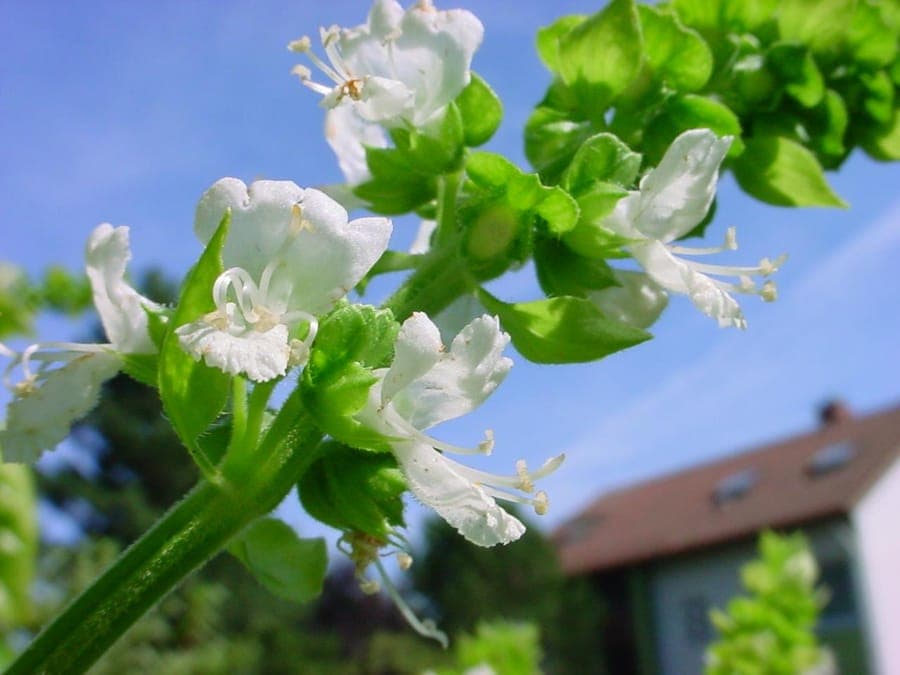
From mid-July to September, small white flowers appear in dense whorls at the stem tips. While attractive to pollinators like bees and hoverflies, flowering signals the plant to slow leaf production. To keep harvests steady, pinch off flower buds as soon as they form. If left to bloom, the plant may become woody and the leaves more bitter.
Ideal location
This basil thrives in full sun - aim for at least 6 hours of direct sunlight daily. A south-facing windowsill, balcony, or garden bed works best. In regions with intense summer heat (above 30°C), light afternoon shade can prevent leaf scorch.
When growing in containers, choose pots at least 20 cm in diameter with good drainage. Space plants 25 cm apart if planting in groups. Ensure air circulation to reduce the risk of fungal diseases like powdery mildew. For visual inspiration and smart spacing, gardenworld.app offers garden planning tools that help you avoid overcrowding and maximize yield.
Soil requirements
American basil prefers well-draining, fertile soil with a pH between 6.0 and 7.5. Amend garden soil with compost or well-rotted manure to improve structure and nutrient content. Avoid heavy clay soils that retain water, as soggy roots lead to rot.
In containers, use a high-quality potting mix designed for herbs or vegetables. Adding perlite or coarse sand improves drainage. A layer of gravel or hydroponic clay pebbles at the pot base can also help prevent waterlogging.
Free design
Want to see American basil: complete guide in your garden? Make a free design now.
Watering
Keep the soil consistently moist but never soggy. Water 2 to 3 times per week during warm, dry spells - more often if in a small pot or windy spot. Check moisture by inserting your finger about 2.5 cm into the soil; if it feels dry, it's time to water.
Water at the base to keep foliage dry and reduce the risk of fungal issues. Early morning is the best time to water, allowing leaves to dry before nightfall.
Pruning
Regular pruning promotes bushy growth and delays flowering. When the plant reaches 15 cm tall, pinch off the top set of leaves just above a leaf node. This encourages side shoots. Continue harvesting the top 5 to 8 cm of growth every few weeks.
Always use clean, sharp scissors or shears to avoid damaging stems. Harvest in the morning when essential oils are most concentrated. Use the leaves fresh in salads, pesto, or Thai and Vietnamese dishes - their citrus note pairs especially well with seafood and poultry.
Maintenance calendar
- March–April: Start seeds indoors at 20–25°C. Use trays with clear lids or plastic wrap to retain humidity.
- May–June: Harden off seedlings and transplant outdoors after last frost (USDA zones 9–11 can plant earlier).
- July–August: Water regularly, prune weekly, and monitor for pests.
- September: Reduce pruning. Allow no new cuts after mid-month.
- October: Plants die back after frost. Compost remains or save seeds for next season.
Winter hardiness
American basil is not frost-tolerant. It cannot survive temperatures below 5°C and is typically grown as an annual in USDA zones below 10. In cooler zones (4–8), it won't survive winter outdoors. You can try overwintering a healthy plant indoors, but success is limited without grow lights and high humidity.
Companion plants
American basil grows well with tomatoes, peppers, and eggplants. It may repel aphids and whiteflies while attracting beneficial insects. Avoid planting near cucumbers, which may be stunted by basil's presence.
Good companions also include chillies, lettuce, and marigolds. In mixed containers, pair with oregano or chives, but avoid moisture-loving herbs like mint, which can drown basil.
Closing
American basil is a rewarding, low-effort herb that adds both flavor and fragrance to your garden. With enough sun, well-drained soil, and regular pinching, you'll enjoy fresh leaves all summer. It's ideal for beginners and fits well in small spaces, from window boxes to urban patios.
You can find young plants at garden centres across the UK and US, especially in late spring. Look for vibrant green leaves and compact growth - avoid leggy or yellowing specimens. For best results, combine practical care with smart planning. On gardenworld.app, explore seasonal planting guides and companion suggestions to get the most out of your herb garden.
Want to see American basil: complete guide in your garden? Make a free design now.
Upload a photo, pick a style, and get a photorealistic design with plant list in under a minute.
No credit card required


Similar plants
Apple mint (Mentha x villosa): complete guide
Mentha x villosa
Meet apple mint (Mentha x villosa): a fruity-scented kitchen herb with woolly leaves, perfect for tea and mojitos.
Salvia peyronii: complete guide
Salvia peyronii
Discover Salvia peyronii, a rare Lebanese mountain sage. Growing tips, hardiness, and companion planting for a Mediterranean gravel garden.
Bigleaf mint (Mentha x rotundifolia): complete guide
Mentha x rotundifolia
Discover bigleaf mint: cultivation, care tips, and garden uses. Learn how to grow this aromatic herb with soft, hairy leaves.