
Kurt Stüber [1] / CC BY-SA 3.0, via Wikimedia Commons
Raceme catnip: complete guide
Nepeta racemosa
Want to see Raceme catnip: complete guide in your garden?
1 minute, no credit card
Overview
Nepeta racemosa, commonly known as raceme catnip, is a quietly dependable plant that earns its place in almost any garden. Unlike the more aggressive Nepeta cataria, this species behaves itself - spreading gently but not invasively. It's a herbaceous perennial in the mint family (Lamiaceae), native to rocky slopes and dry hillsides in Iran, Iraq, Turkey, and the Transcaucasus. That background means it thrives in full sun, poor soil, and dry conditions - the kind of spot where other plants start to struggle.
Gardeners in the UK and US often overlook it in favour of flashier perennials, but once you grow it, you'll appreciate its long season and soft charm. It's not just for cat lovers - though yes, some cats do go wild for it - it's for anyone who values resilience and beauty without fuss.
On gardenworld.app, you can visualise how raceme catnip fits into a border scheme, softening edges and linking elements with its airy texture. It doesn't dominate; it supports.
Appearance & bloom cycle
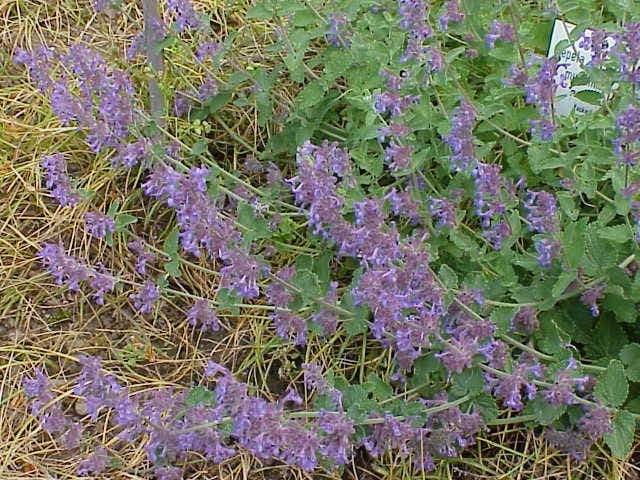
Raceme catnip grows 30–50 cm tall and spreads 40–60 cm wide. The stems are upright but arch slightly at the tips, giving the plant a relaxed, mounding habit. Leaves are ovate-lanceolate, 3–5 cm long, with a soft grey-green hue and fine hairs that give them a velvety feel. They're lightly aromatic when brushed, releasing a mild minty scent - not as strong as true mint, but enough to deter some pests.
From June to early September, slender spikes of lavender-blue flowers rise above the foliage. Each spike holds dozens of tiny tubular flowers with darker purple spotting inside. The bloom is especially generous in full sun. After the first flush fades in midsummer, cut the plant back hard - about 15 cm from the ground - and you'll get a second, often denser round of flowering by late July or August.
Ideal location
Full sun is ideal - at least 6 hours of direct light. It tolerates light shade, but flowering drops off and stems stretch. In cooler climates, full sun ensures compact growth and maximum bloom. It's excellent for the front of borders, rock gardens, gravel beds, or along pathways where its soft colour and texture can be appreciated up close.
In containers, use a well-draining mix and avoid overpotting - it prefers being a bit root-bound. Place on sunny patios or balconies. On gardenworld.app, you can design a planting scheme that pairs raceme catnip with drought-tolerant companions like lavender or sedum for a Mediterranean feel.
Soil requirements
It wants lean, well-drained soil. Heavy clay is a problem, especially in winter when wet soil causes root rot. Amend clay with grit, sand, or perlite to improve drainage. Sandy or loamy soils work best. The ideal pH is neutral to slightly alkaline (6.5–7.5).
Avoid rich compost or high-nitrogen fertilisers. Too much fertility leads to floppy growth and fewer flowers. This plant blooms best when slightly stressed - a little neglect goes a long way.
Free design
Want to see Raceme catnip: complete guide in your garden? Make a free design now.
Watering
Once established, raceme catnip is drought-resistant. Water regularly in the first growing season (spring to early summer), then reduce significantly. In dry spells, deep watering every 10–14 days is enough. Shallow, frequent watering encourages weak roots.
Use rainwater when possible. Tap water high in lime can cause leaf scorch or yellowing, especially in containers.
Pruning
Deadheading isn't essential, but cutting back after the first bloom extends the season. In late June or early July, shear the plant down to about 15 cm. Use clean, sharp shears. New growth appears quickly, and flowering resumes within 4–6 weeks.
A light trim in September can tidy the plant, but avoid heavy pruning in late autumn. The old growth offers some winter protection for the crown.
Maintenance calendar
- February–March: Clear old foliage. Cut back if not done in autumn.
- April–May: Monitor for aphids. Water if spring is dry.
- June: First bloom begins. Prepare for post-bloom cutback.
- July–August: Second bloom after pruning. No feeding.
- September: Optional light trim. Stop watering unless drought persists.
- October–November: Leave standing - provides winter structure and shelter for insects.
- December–January: Dormant. No action needed.
Winter hardiness
Hardy in USDA zones 5–9. In zone 8 (UK, Pacific Northwest), it survives winter with no protection. In colder zones, a light mulch of gravel or leaf litter helps prevent frost heave. The top may die back, but new shoots emerge from the base in spring.
Avoid moist winter soil - that's the real danger.
Companion plants
Raceme catnip plays well with others. Try it with Lavandula angustifolia for a classic purple-and-silver combo. Pair with Artemisia ludoviciana for contrast in texture. Other great partners: Salvia nemorosa, Echinacea purpurea, Stachys byzantina, and Sedum 'Herbstfreude'.
Avoid overly vigorous plants like tall grasses or spreading geraniums that might smother it. It also works well with low thymes (Thymus serpyllum) in gravel gardens.
Closing
Raceme catnip isn't loud, but it's always working. It blooms for months, attracts bees and hoverflies, handles drought, and asks for almost nothing. It's a quiet backbone in the border - the kind of plant you don't notice until it's gone. Look for young plants at garden centres in late spring. Or plan your layout on gardenworld.app to see how it fits into your overall design. Whether you're building a cottage garden, gravel bed, or low-water scheme, Nepeta racemosa earns its spot.
Want to see Raceme catnip: complete guide in your garden? Make a free design now.
Upload a photo, pick a style, and get a photorealistic design with plant list in under a minute.
10,000+ gardens designed already
No credit card required


Similar plants
Apple mint (Mentha x villosa): complete guide
Mentha x villosa
Meet apple mint (Mentha x villosa): a fruity-scented kitchen herb with woolly leaves, perfect for tea and mojitos.
Salvia peyronii: complete guide
Salvia peyronii
Discover Salvia peyronii, a rare Lebanese mountain sage. Growing tips, hardiness, and companion planting for a Mediterranean gravel garden.
Bigleaf mint (Mentha x rotundifolia): complete guide
Mentha x rotundifolia
Discover bigleaf mint: cultivation, care tips, and garden uses. Learn how to grow this aromatic herb with soft, hairy leaves.