
D. Gordon E. Robertson / CC BY-SA 3.0, via Wikimedia Commons
Catmint: complete guide
Nepeta cataria
Want to see Catmint: complete guide in your garden?
1 minute, no credit card
Overview
Catmint, scientifically known as Nepeta cataria, is a resilient and aromatic herb from the Lamiaceae family. While best known for its effect on cats-triggering playful, sometimes euphoric reactions-it's also a standout in the garden for its long bloom time, drought tolerance, and appeal to pollinators. Native to parts of Europe and Asia, it thrives in temperate climates and has adapted well to gardens across USDA zones 3 to 9. Reaching 50–80 cm in height, catmint forms upright clumps with soft, gray-green foliage and spikes of small purple flowers.
One of the most appealing traits of catmint is its low maintenance. Once established, it requires minimal watering and no fertiliser. It's a magnet for bees, butterflies, and hoverflies, making it a valuable addition to wildlife-friendly gardens. If you're planning a pollinator border, consider using gardenworld.app to visualise how catmint can complement other sun-loving perennials.
Appearance & bloom cycle
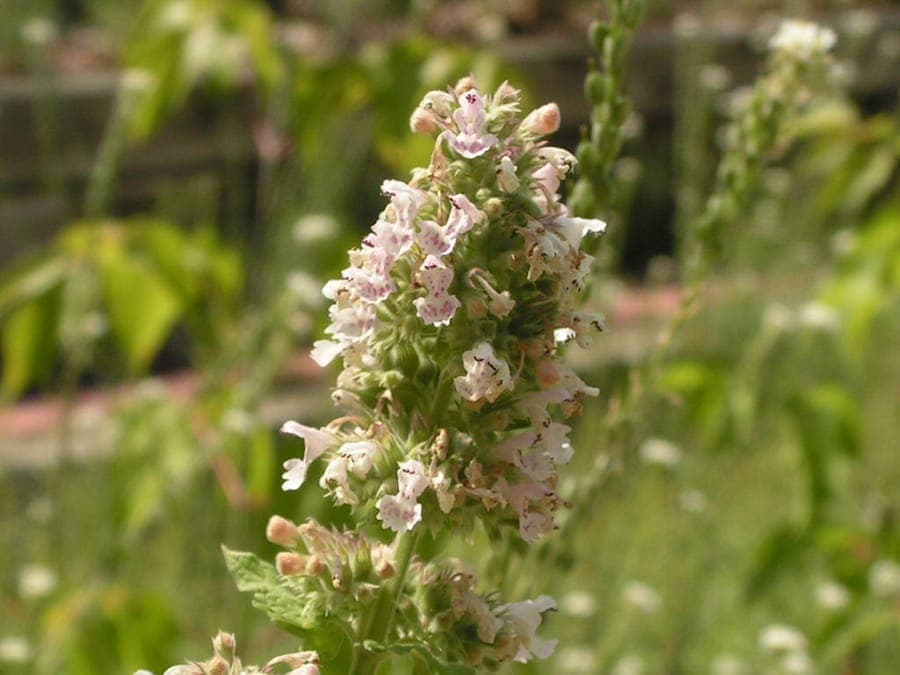
Catmint has a bushy, upright growth habit with square stems and serrated, heart-shaped leaves covered in fine hairs. When brushed or crushed, the leaves release a strong minty scent that cats find irresistible. The flowers are small, tubular, and soft purple, arranged in whorls along the top third of the stems. Bloom time runs from June through September, with peak flowering in July.
Deadheading encourages a second flush of blooms. Left uncut, the plant will self-seed moderately, though it's not invasive. The seedlings are easy to remove if they pop up in unwanted spots. For a neat appearance and prolonged flowering, cut back the stems by half after the first bloom wave.
Ideal location
Catmint thrives in full sun-aim for 6 to 8 hours of direct sunlight daily (light level 8/10). It tolerates light shade, but flowering will be reduced and stems may become leggy. Choose a spot with good air circulation to prevent powdery mildew, especially in humid summers.
It's perfect for cottage gardens, rockeries, or as a low hedge along pathways. It also grows well in containers, provided there's adequate drainage. Use the sun mapping tool on gardenworld.app to find the sunniest spots in your garden and plan your plant placement accordingly.
Soil requirements
This plant prefers well-drained, light to medium soil with a pH between 7.0 and 7.5. It tolerates poor soils but struggles in heavy clay or waterlogged conditions. If your soil is dense, amend it with sand or grit to improve drainage. Avoid rich, nitrogen-heavy soils, as they promote leafy growth at the expense of flowers.
A light application of compost in early spring is sufficient. No additional feeding is needed. Over-fertilising leads to floppy growth and fewer blooms.
Free design
Want to see Catmint: complete guide in your garden? Make a free design now.
Watering
Water newly planted catmint weekly during the first growing season to help it establish strong roots. Once mature, it's highly drought-tolerant and rarely needs irrigation except during prolonged dry spells. Always water at the base to keep foliage dry and reduce fungal risk.
Overwatering is the main cause of failure. Soggy soil leads to root rot. In containers, ensure pots have drainage holes and use a gritty potting mix.
Pruning
Pruning is key to keeping catmint compact and blooming. After the first flush of flowers in midsummer, cut the plant back by half. This promotes bushier growth and often triggers a second bloom in late summer. If you skip pruning, the plant may flop or look untidy.
To limit self-seeding, deadhead before seeds form. If you want to collect seeds for propagation, leave a few flower spikes intact. Wear gloves when handling, as the oils can irritate sensitive skin.
Maintenance calendar
- March: Remove old stems and debris.
- April: Divide clumps if overcrowded. Plant new ones in well-prepared soil.
- May: Water during dry spells. Watch for aphids.
- June: First blooms appear. Monitor for powdery mildew in humid weather.
- July: Cut back after peak bloom. Water only if essential.
- August: Second bloom possible. Keep soil on the drier side.
- September: Allow late flowers to fade or trim for neatness.
- October: Collect seeds or leave for birds.
- November–February: Dormant period. No action needed.
Winter hardiness
Catmint is reliably hardy in USDA zones 3–9. It dies back in autumn but returns from the roots in spring. No winter protection is required, even in colder regions. In milder winters, some foliage may remain green. Avoid mulching heavily, as this can trap moisture and encourage rot.
Companion plants
Pair catmint with other sun-loving, drought-tolerant perennials like lavender, yarrow, sedum, and Russian sage. These combinations create texture and colour contrast while supporting beneficial insects. Avoid moisture-loving plants like hostas or ferns, as their needs clash with catmint's preference for dry soil.
Planting in groups of three or five creates a stronger visual impact. Use gardenworld.app to experiment with plant combinations and spacing before you start digging.
Closing
Catmint is a trustworthy, low-effort plant that delivers high rewards. It's perfect for beginners, wildlife gardens, or anyone looking to add long-lasting colour with minimal upkeep. You can find it at garden centres across the UK and US, or grow from seed. With its aromatic foliage, pollinator appeal, and cat-friendly charm, it's a staple in many cottage-style gardens. For layout ideas and seasonal care tips, visit gardenworld.app and design a garden that works as hard as you do.
Want to see Catmint: complete guide in your garden? Make a free design now.
Upload a photo, pick a style, and get a photorealistic design with plant list in under a minute.
No credit card required


Similar plants
Apple mint (Mentha x villosa): complete guide
Mentha x villosa
Meet apple mint (Mentha x villosa): a fruity-scented kitchen herb with woolly leaves, perfect for tea and mojitos.
Salvia peyronii: complete guide
Salvia peyronii
Discover Salvia peyronii, a rare Lebanese mountain sage. Growing tips, hardiness, and companion planting for a Mediterranean gravel garden.
Bigleaf mint (Mentha x rotundifolia): complete guide
Mentha x rotundifolia
Discover bigleaf mint: cultivation, care tips, and garden uses. Learn how to grow this aromatic herb with soft, hairy leaves.