
Mgoodyear / CC BY-SA 4.0, via Wikimedia Commons
Narcissus cavanillesii: complete guide
Narcissus cavanillesii
Want to see Narcissus cavanillesii: complete guide in your garden?
1 minute, no credit card
Overview
Narcissus cavanillesii is a small, elegant bulb from the Amaryllidaceae family endemic to southern Portugal, southwestern Spain, Morocco, and Algeria. This intriguing species blooms early spring with graceful yellow flowers. It appeals to botanical gardens, alpine plantings, and enthusiast bulb growers cultivating rare Narcissus varieties.
Appearance and Bloom
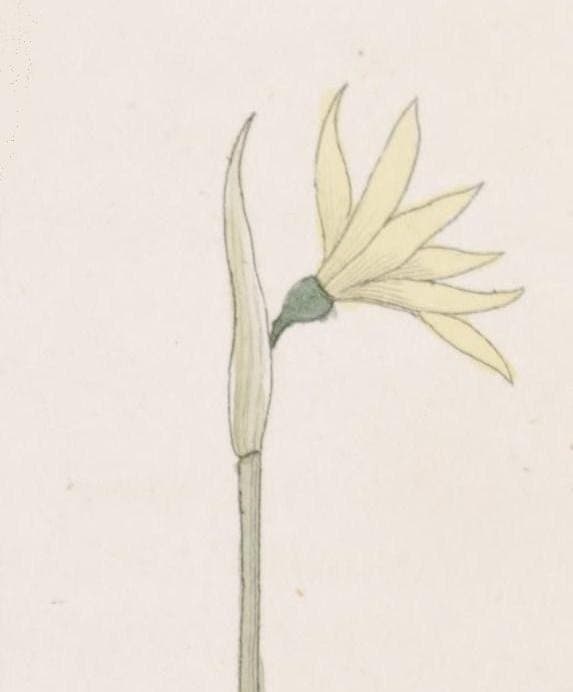
Narcissus cavanillesii produces slender, blue-green leaves reaching 20 to 30 centimeters long. Each bulb produces one to two flower stems. The yellow flowers feature six perianth segments with a darker yellow or orange central crown. Flowers are fragrant and appear from October to January in native habitat, but bloom earlier in cultivation (January to March in temperate zones). Blooms measure approximately 3 centimeters diameter.
Ideal Location
Narcissus cavanillesii grows best in full sun to light partial shade. Plant where the bulb receives at least six hours direct sunlight daily. After blooming, the plant tolerates partial shade as foliage becomes less critical. Well-ventilated sites prevent fungal infections. Protect from strong winds.
Soil Requirements
Use well-draining soil for this bulb. A mix of garden soil, sand, and gravel works well. The plant accepts pH values 6.0 to 7.5. Avoid clay and heavy wet ground. For container mixes, combine potting soil with sand and perlite. Plant bulbs about two bulb-widths deep in autumn (October to November). Ensure fine drainage by adding sand beneath bulbs.
Free design
Want to see Narcissus cavanillesii: complete guide in your garden? Make a free design now.
Watering
Water regularly after planting and throughout growing and flowering season. Taper water as foliage yellows. Once dormancy begins, drastically reduce watering. In containers, monitor soil moisture carefully. Rainwater is ideal; avoid stagnation that causes root rot.
Pruning
No pruning needed. Allow blooms to fade naturally. Remove only dead or damaged flower stems. Once blooming finishes, let foliage decline naturally. This helps the bulb store energy for next season.
Maintenance Calendar
Summer: Store bulbs dry and cool. Autumn: Plant bulbs October to November; water cautiously. Winter: Blooming; water regularly. Spring: Bloom finished; allow foliage to decline naturally.
Winter Hardiness
Narcissus cavanillesii is hardy to about minus 10 degrees Celsius. In temperate zones, leave it outdoors if drainage is excellent. In very cold or wet winters, protect bulbs with mulch or gravel. In dry or warm climates (zone 9b to 11) it grows well outdoors.
Companion Plants
Plant Narcissus cavanillesii with other early bulbs like Crocus, Galanthus, and Scilla. It grows beautifully in alpine gardens with mountain plants. Combine with gray-leaved plants for contrast. In containers, pair with winter-blooming heathers for interesting effects.
Closing Thoughts
Narcissus cavanillesii is a rare treasure for bulb enthusiasts seeking something unique and botanically significant. This small yellow narcissus brings early spring color and authentic Mediterranean elegance to your garden, provided you understand its specific dormancy requirements.
Want to see Narcissus cavanillesii: complete guide in your garden? Make a free design now.
Upload a photo, pick a style, and get a photorealistic design with plant list in under a minute.
No credit card required


Similar plants
Douglas' Onion: complete guide
Allium douglasii
Douglas' onion is a compact ornamental allium with purple flowers, perfect for rock gardens and sunny borders. Learn care, siting and hardiness.
Oblique onion: complete guide
Allium obliquum
The oblique onion is a hardy ornamental allium with chartreuse flower heads and blue-green foliage. Location, soil and care explained.
False hooded garlic: complete guide
Allium pseudocalyptratum
Discover false hooded garlic (Allium pseudocalyptratum): a rare ornamental onion from Lebanon for rock gardens and alpine troughs.