
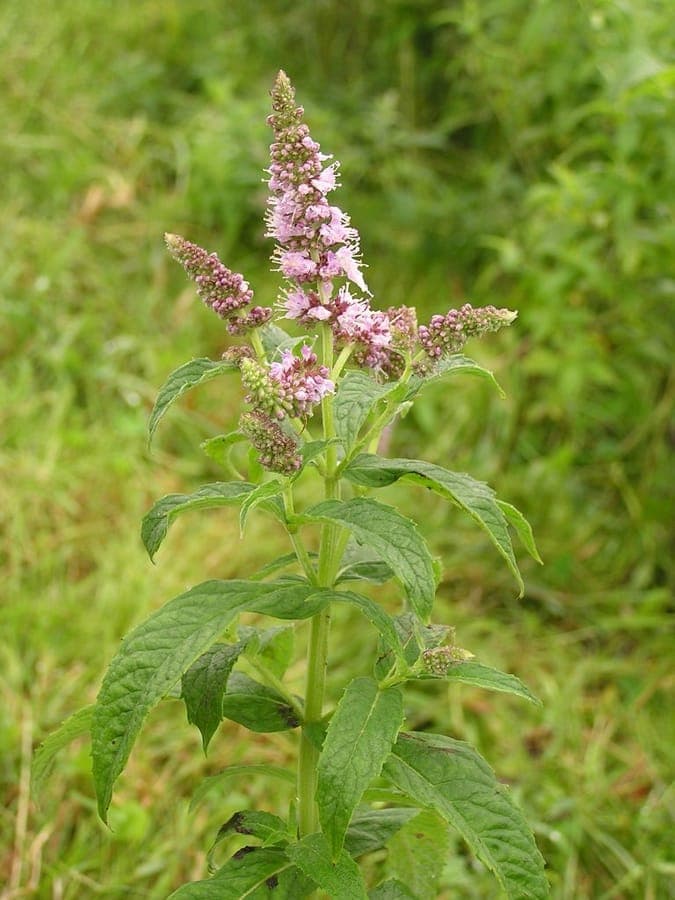
Michael Becker / CC BY-SA 3.0, via Wikimedia Commons
Horse mint: complete guide
Mentha longifolia
Want to see Horse mint: complete guide in your garden?
1 minute, no credit card
Overview
Horse mint (Mentha longifolia) is a resilient, spreading perennial herb native to regions stretching from North Africa to the Indian subcontinent. In the garden, it thrives in moist, fertile soils and adds a bold, aromatic presence. It grows vigorously, reaching up to 100 cm tall, and spreads via underground runners. If you plant it in borders or herb gardens, consider using a root barrier or container to prevent it from overtaking nearby plants. On gardenworld.app, you can design a custom planting plan that integrates horse mint while managing its spread effectively.
Appearance & bloom cycle
Horse mint forms upright, square stems with long, lance-shaped leaves that are slightly hairy and emit a strong minty scent when crushed. The plant blooms from July to September, producing dense, upright spikes of pale purple to lilac flowers. These blossoms attract bees, hoverflies, and butterflies, making it a valuable addition to pollinator gardens. Individual flowers are small but clustered tightly, creating a striking vertical accent in garden beds. Mature plants can span 40–60 cm wide and stand 60–100 cm tall, depending on soil and moisture.
Ideal location
Horse mint prefers a sunny to semi-shaded spot with a light rating of 7 out of 10. That means at least 5 hours of direct sun daily, preferably morning to midday light. It tolerates light afternoon shade, especially in hot summers, but full shade leads to leggy growth and reduced flowering. Choose a spot near a pond, damp border, or herb spiral where moisture is naturally higher. On gardenworld.app, you can map your garden's sunlight patterns to find the perfect microclimate for horse mint.
Soil requirements
This mint thrives in moist, well-drained soil rich in organic matter. It performs best in loamy or clay-loam soils with a pH between 7.5 and 8.0 - slightly alkaline. If your soil is acidic, amend it with lime or crushed oyster shells. Avoid dry, sandy soils unless you add compost and mulch to retain moisture. Horse mint appreciates consistent hydration, so soil that holds water without becoming waterlogged is ideal.
Watering
Keep the soil consistently moist, especially during the growing season (April–September). In dry spells, water 2–3 times per week. Mulching with straw or compost helps retain moisture and suppresses weeds. Reduce watering in winter when the plant is dormant. Overwatering in cold months can lead to root rot, so ensure good drainage. Potted plants dry out faster and may need daily watering in summer.
Free design
Want to see Horse mint: complete guide in your garden? Make a free design now.
Pruning
Prune horse mint in early summer, just before flowering, cutting back about one-third of the stem height. This encourages bushier growth and prevents flopping. After the bloom cycle ends in September, cut stems down to 15 cm above ground. Remove any dead or damaged foliage. Use pruned stems fresh in teas or as a culinary herb. Regular pruning keeps the plant tidy and boosts new growth.
Maintenance calendar
January: Inspect root zones, remove dead debris. February: Prepare compost for spring application. March: Loosen soil around the plant, incorporate compost. April: Monitor for runners, install root barrier if needed. May: Begin regular watering, watch for slugs and snails. June: Prune by one-third to encourage branching. July: Flowers emerge, maintain moisture, check for pests. August: Continue watering, stake tall stems if necessary. September: Cut back after flowering, collect cuttings for propagation. October: Clear remaining stems, apply mulch layer. November: Reduce watering, protect pots from frost. December: Allow dormancy, avoid fertilizing.
Winter hardiness
Horse mint is hardy in USDA zones 5–9. It survives winter temperatures as low as -20°C. The top growth dies back, but the roots remain alive and resprout in spring. In colder zones, a layer of leaf litter or compost acts as insulation. Potted plants should be moved to a sheltered spot or wrapped in hessian to protect roots from freezing.
Companion plants
Pair horse mint with moisture-loving plants like irises, astilbe, or ligularia. In herb gardens, grow it alongside rosemary, thyme, or oregano - just ensure they get enough water. Avoid pairing with drought-tolerant plants like lavender. In vegetable plots, horse mint can deter pests when planted near brassicas or strawberries. Its strong scent masks host plants from aphids and cabbage moths. However, due to its spreading habit, keep it contained.
Closing
Horse mint is a low-maintenance, high-reward herb that brings fragrance, pollinators, and visual interest to the garden. It's easy to grow but needs space management. Buy young plants in spring from garden centres like those carrying standard herb varieties. Plant with caution - its runners can spread fast. With regular pruning and smart placement, it becomes a dependable garden staple. Whether you're designing a cottage garden or a functional herb bed, horse mint earns its place. For layout ideas and planting strategies, visit gardenworld.app and build a garden plan where horse mint thrives without taking over.
Want to see Horse mint: complete guide in your garden? Make a free design now.
Upload a photo, pick a style, and get a photorealistic design with plant list in under a minute.
10,000+ gardens designed already
No credit card required


Similar plants
Apple mint (Mentha x villosa): complete guide
Mentha x villosa
Meet apple mint (Mentha x villosa): a fruity-scented kitchen herb with woolly leaves, perfect for tea and mojitos.
Salvia peyronii: complete guide
Salvia peyronii
Discover Salvia peyronii, a rare Lebanese mountain sage. Growing tips, hardiness, and companion planting for a Mediterranean gravel garden.
Bigleaf mint (Mentha x rotundifolia): complete guide
Mentha x rotundifolia
Discover bigleaf mint: cultivation, care tips, and garden uses. Learn how to grow this aromatic herb with soft, hairy leaves.