
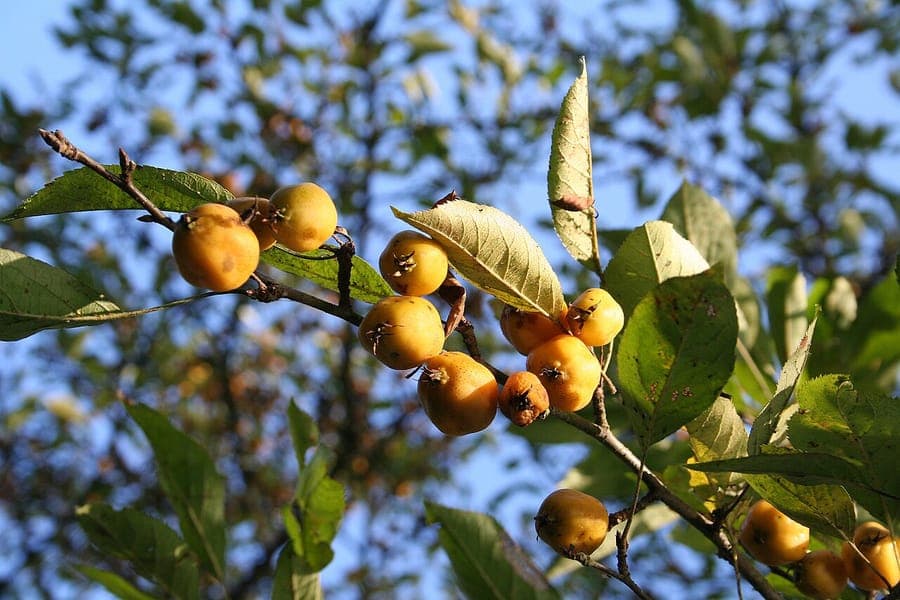
Jean-Pol GRANDMONT / CC BY 3.0, via Wikimedia Commons
Malus toringoides: complete guide
Malus toringoides
Want to see Malus toringoides: complete guide in your garden?
1 minute, no credit card
Overview
Malus toringoides, commonly known as cut-leaf crab apple or Chinese crab apple, is an elegant deciduous tree from the Rosaceae family native to the eastern Himalaya and China. This tree naturally inhabits regions from the eastern Himalaya through western Sichuan to southeast Gansu in China, typically growing in mixed forests at moderate elevations. Reaching 15 to 25 feet (5-8 meters) tall with a graceful, open crown, the cut-leaf crab apple distinguishes itself through finely dissected, feathery foliage and early purple-tinged flowers. This less common species offers unique aesthetic value with its refined foliage and distinctive early blooms, making it an excellent choice for gardens seeking Asian elegance and architectural interest.
This tree thrives in temperate climates and suits USDA zones 5-8. Relatively low-maintenance, it asks primarily for full sunlight and excellent drainage.
Appearance and Bloom
The cut-leaf crab apple distinguishes itself through its refined, deeply cut compound leaves that create an artistically intricate appearance. The dark green foliage is feathery and elegant, creating a delicate visual texture that filters light beautifully. In autumn, the leaves transform to warm yellows, oranges, and reds before dropping. The tree develops a graceful, open crown that never becomes dense, adding to its refined architectural presence.
Flowers are exceptional and arrive early in spring (April to May), emerging before or as foliage unfolds. These remarkable blooms measure roughly 0.8 to 1.2 inches (2-3 cm) in diameter and display purplish-pink to rose coloring with white bases - distinctly different from most crabapples. The blooms cluster along branches, creating striking early spring displays. Following pollination, small apples develop, measuring 0.4 to 0.8 inches (1-2 cm) in diameter. These fruits mature to brilliant red and persist on branches through autumn and into early winter. The combination of crimson fruit and yellow-orange dissected foliage in fall creates exceptional garden interest.
Ideal Location
The cut-leaf crab apple thrives in full sunlight. Plant in a location receiving at least 6 hours of direct sunlight daily. In hot summer regions, light afternoon shade may prevent leaf scorch. The tree grows best in open locations with good air circulation. This tree suits USDA zones 5-8 and performs best in temperate climates with distinct seasonal temperature variation.
Soil
Malus toringoides is not particularly demanding regarding soil composition, provided drainage is excellent. Standard garden soil or potting mix works well. The tree grows optimally in moderately rich soil with adequate organic matter. A pH between 5.0 and 7.5 is ideal. Incorporating compost or aged bark at planting improves soil quality and moisture retention. Waterlogging must be rigorously avoided, as poor drainage invites fatal root rot. A 5 cm mulch layer around the base aids moisture regulation and weed suppression.
Free design
Want to see Malus toringoides: complete guide in your garden? Make a free design now.
Watering
As with many Asian trees, the cut-leaf crab apple appreciates consistent moisture, particularly during growth and flowering phases. Water two to three times weekly if rainfall is absent, maintaining moist (but never waterlogged) soil. In autumn and winter, reduce watering frequency but never allow the soil to dry completely. Cold, wet winters can stress this tree; ensure excellent drainage. In regions with heavy winter rainfall, plant on slopes or raised beds to prevent waterlogging.
Pruning
Malus toringoides requires minimal intervention. Remove dead, damaged, or diseased growth promptly. Young trees benefit from light shaping in early years to encourage a strong central leader and well-distributed branches, best performed in spring. The tree naturally develops an attractive form with minimal pruning. Keep pruning tools sharp and clean to minimize damage. Avoid heavy pruning, which stresses the tree.
Maintenance Calendar
March-April brings spectacular early purple-tinged flowering - enjoy this exceptional spring display. May-June sees fruit development and new growth; maintain consistent watering. July-September is the primary growing season; ensure regular water. October-November brings fruit maturation and vibrant fall foliage. December-February is the dormant season; reduce watering but maintain some soil moisture. No specific winter protection is needed in USDA zones 5-8.
Every two to three years, apply 5 cm of shredded bark mulch around the trunk base. The tree responds well to twice-yearly applications of compost or aged manure.
Winter Hardiness
Malus toringoides is moderately cold-hardy, tolerating temperatures as low as 0 degrees Celsius (32 degrees Fahrenheit) for short periods. The tree grows best in regions with mild to moderate winters. In USDA zones 5-6, provide protection from extreme cold and drying winter winds. In zones 4 and colder, grow in containers and move indoors to a frost-free, sunny location during winter months.
Companion Plants
The cut-leaf crab apple pairs beautifully with other temperate climate plants. Underplant with low-growing, shade-tolerant species that won't compete aggressively for resources. Consider shade-tolerant woodland understory plants. Garden styles emphasizing Asian aesthetics, modern minimalism, or contemporary design showcase this tree's refined form particularly well.
Closing
Malus toringoides is a unique and elegant choice for gardeners seeking an uncommon tree combining refined foliage with distinctive early blooms and persistent red fruit. With full sunlight, excellent drainage, consistent moisture during growth, and minimal pruning, you'll enjoy years of Asian beauty and seasonal interest. Source trees from specialty nurseries and bring Asian elegance and architectural refinement to your temperate garden!
Want to see Malus toringoides: complete guide in your garden? Make a free design now.
Upload a photo, pick a style, and get a photorealistic design with plant list in under a minute.
No credit card required


Similar plants
Siberian crab apple: complete guide
Malus x robusta
Complete guide to the Siberian crab apple (Malus x robusta): location, soil, pruning, winter hardiness and the best companion plants for your garden.
Chinese flowering crabapple (Malus x spectabilis): complete guide
Malus x spectabilis
Meet the Chinese flowering crabapple (Malus x spectabilis): a classic spring bloomer with carmine buds and pink blossom.
Potentilla crassinervia: complete guide
Potentilla crassinervia
Potentilla crassinervia, the Corsican cinquefoil, grows wild on Corsica and Sardinia's peaks. Discover how to grow this hardy alpine rock garden gem.