
P.Cikovac / CC BY-SA 4.0, via Wikimedia Commons
Alpine woodrush: complete guide
Luzula alpinopilosa
Want to see Alpine woodrush: complete guide in your garden?
1 minute, no credit card
Overview
Luzula alpinopilosa, commonly called alpine woodrush or brown woodrush, is a delicate grass-like structural plant belonging to the rush family. This native alpine species thrives in moist, shaded environments where it creates beautiful textural interest. With its year-round presence and minimal maintenance requirements, it is an excellent choice for naturalistic garden designs.
Appearance & Bloom
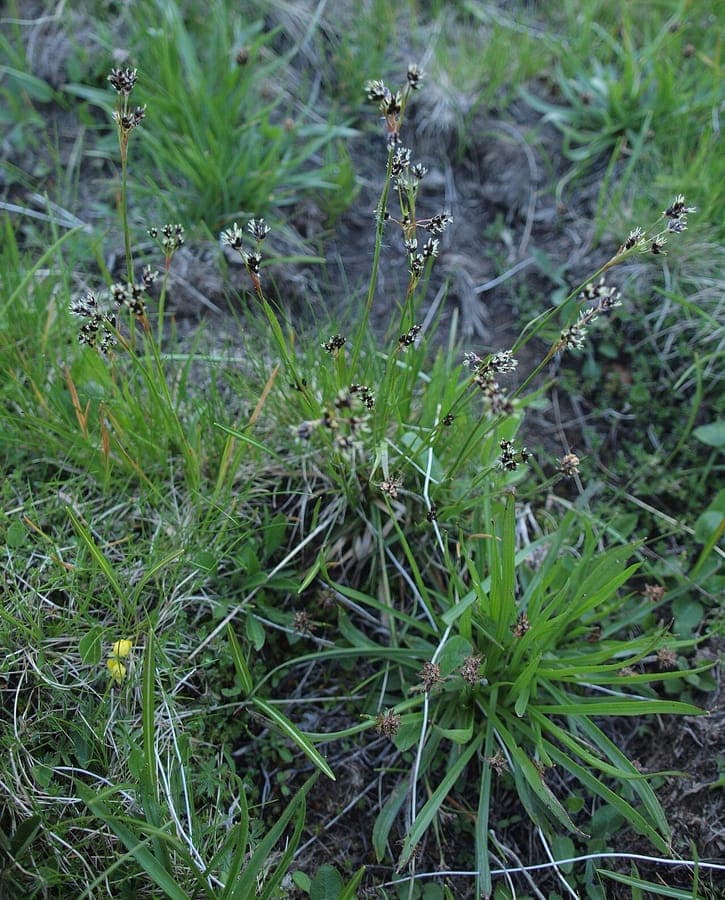
This plant grows 20-40 cm tall, forming dense, rounded tufts of fine, linear foliage. The evergreen leaves maintain their colour throughout the year, providing consistent structure. Delicate flowers appear from May through September as tiny brown-red florets clustered in dense panicles, attracting beneficial pollinators.
Ideal Location
Alpine woodrush prefers partial shade to full shade. Plant beneath deciduous trees, near shrubs, or on the north side of buildings. It performs well in moist woodland edges, meadows, and shaded borders. Pair with other shade-tolerant foliage plants for layered textural effects.
Soil
Moist, well-draining soil is essential. Acidic to neutral pH (5.0-5.5) is strongly preferred. Add peat or compost to improve moisture retention and soil structure. Avoid heavy clay or waterlogged conditions that cause root problems.
Free design
Want to see Alpine woodrush: complete guide in your garden? Make a free design now.
Watering
This plant enjoys consistently moist conditions, more so than many other grass-like plants. Keep the soil evenly moist during the growing season. Reduce watering in winter but never allow it to dry completely. Mulch to retain soil moisture and regulate temperature.
Pruning
Minimal pruning is required. Remove dead foliage and stems in spring to tidy the plant. If it becomes too large, you can thin it gently. The plant naturally rejuvenates itself after winter dormancy.
Maintenance Calendar
March: Remove dead winter foliage. April: Begin consistent watering. May-September: Enjoy delicate brown flowers. October: Collect ripe seed. November: Reduce water. December-February: Light dormancy.
Winter Hardiness
Fully hardy in mountain regions of central and southern Europe. This plant tolerates frost, snow, and extreme alpine conditions without difficulty. Its evergreen foliage provides winter interest even in cold climates.
Companion Plants
Pair with other moisture-loving shade plants: Ajuga reptans, Hosta species, Carex, Geranium nodosum, and Helleborus. These combinations create textural variation and visual interest in shaded areas.
Closing
Alpine woodrush provides graceful green texture year-round with minimal effort. Seek this mountain beauty at local nurseries and garden centers. Once properly established, it becomes a reliable, long-lived addition to your shaded garden spaces. Discover more plant guides at gardenworld.app.
Want to see Alpine woodrush: complete guide in your garden? Make a free design now.
Upload a photo, pick a style, and get a photorealistic design with plant list in under a minute.
No credit card required


Similar plants
Short-fruited Rush (Juncus brachycarpus): complete guide
Juncus brachycarpus
Complete guide to Juncus brachycarpus: wet soil, pond margins, bloom season, division and winter care for this North American rush in garden ponds.
Smallhead rush: complete guide
Juncus brachycephalus
Smallhead rush (Juncus brachycephalus) - a slender North American wetland plant for pond margins and boggy garden zones. Full care guide.
Mertens' rush: complete guide
Juncus mertensianus
Mertens' rush (Juncus mertensianus) - a compact alpine wetland plant with purple-brown flower heads for cool pond margins. Full growing guide.