
Stan Shebs / CC BY-SA 3.0, via Wikimedia Commons
Cobb Mountain Lupine: complete guide
Lupinus sericatus
Want to see Cobb Mountain Lupine: complete guide in your garden?
1 minute, no credit card
Overview
Cobb Mountain Lupine (Lupinus sericatus) is an elegant perennial from the mountain regions of Northern California. This beautiful flowering plant is renowned for its impressive purple flower spikes and delicate foliage. Lupinus sericatus belongs to the Fabaceae family and grows wild in the mountainous terrain of the Cobb Mountain area in California.
This plant is ideal for gardeners seeking something unique and characterful for their landscape. With its natural beauty and robust constitution, Cobb Mountain Lupine offers perfect addition to borders and alpine gardens. The plant attracts butterflies and bees, contributing to your garden's biodiversity.
Appearance and Bloom
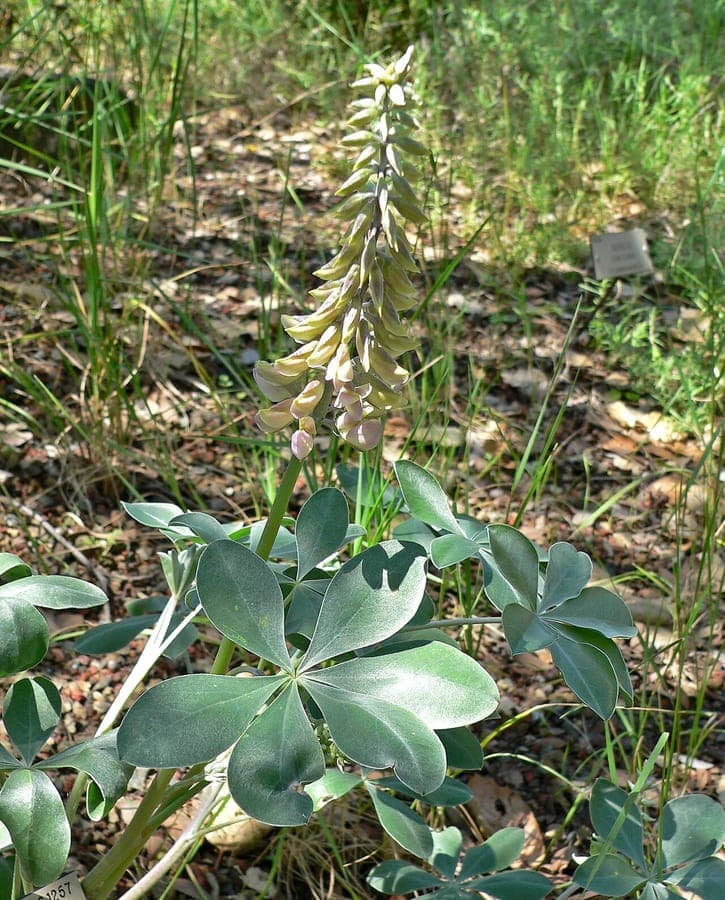
Cobb Mountain Lupine grows as a compact herb with silky texture. The plant reaches an average height of 30 to 60 centimeters and forms dense flower spikes in purple tones. Flowers appear in June and July in full bloom.
The leaves are feathery and finely divided, giving an elegant appearance. This leaf pattern is characteristic of the lupine family. The flower spikes are densely packed with small purple flowers that stand out beautifully against green foliage. The bright color of the blooms makes this plant a real eye-catcher in the garden.
After flowering, the plant forms seed pods containing seeds for future seasons. This allows self-propagation, enabling the plant to naturalize in favorable conditions.
Ideal Location
Cobb Mountain Lupine thrives best in sunny locations with excellent drainage. Place the plant where it receives at least 6 hours of direct sunlight daily. The plant prefers open, airy positions where wind can flow freely.
It is important to provide the plant with protection from intense afternoon sun in very hot climates. A position with morning and midday sun with some afternoon shade is ideal. The plant grows well on hillside locations and in alpine gardens.
Soil
Cobb Mountain Lupine requires well-draining, slightly acidic to neutral soil. The plant cannot tolerate waterlogging or stagnant moisture. The ideal pH range is between 6.0 and 7.0.
Add compost or peat to heavy soils to improve drainage. The plant grows well in sandy or gravelly alpine soil. Ensure the soil is nutrient-poor - excessive feeding promotes leafy growth at the expense of flowers. This is characteristic of many lupine species.
Watering
Provide regular but moderate watering, especially during the growing and flowering season. Allow the soil surface to dry slightly between waterings. The plant tolerates drought better than wet conditions. Excessive water leads to disease and root rot.
Drip irrigation is ideal for delivering water directly to the roots. In winter, the plant needs less water. Ensure water does not land on foliage, preventing fungal infections.
Pruning
Pruning of Cobb Mountain Lupine requires minimal effort. Remove faded flower spikes after blooming to stimulate new flower development. This process, called deadheading, promotes compact growth and extends the blooming period.
Remove dead, damaged, or diseased stems in spring. The plant does not need severe pruning, which can hinder recovery. Manual removal of pests is the preferred method for pest control.
Free design
Want to see Cobb Mountain Lupine: complete guide in your garden? Make a free design now.
Maintenance Calendar
February: Begin preparing for the growing season. Check for winter damage and remove dead material.
May: Provide support for growing plants with stakes if needed. Prevent binding damage by tying loosely.
June-July: Blooming period. Deadhead faded flowers. Check for insects and diseases.
August: Begin seed collection preparation. Seeds ripen after flowering.
Autumn: Monitor moisture balance. Prepare plant for winter.
December: Winter rest. Minimal maintenance required.
Winter Hardiness
Cobb Mountain Lupine is hardy down to approximately -10 degrees Celsius. In temperate climates of the Netherlands, Belgium, and France, the plant easily survives winters in the ground. In very cold regions, mulching the plant base in late autumn can improve survival.
In areas with wet winters, good drainage is essential. Excessive moisture in winter is more damaging than cold. In very wet, heavy clay soils, plants can be grown in pots and moved to sheltered locations.
Companion Plants
Cobb Mountain Lupine combines well with other alpine plants requiring similar growing conditions. Try combinations with:
- Sedum plants: share well-draining soil requirements
- Saxifraga (saxifrage): compact growth fits well next to lupine
- Dianthus (pink): purple flowers combine nicely with pink tones
- Armeria (sea pink): similar height classes and water requirements
- Thymus (thyme): low-growing groundcover around lupine base
Avoid heavy, water-retentive soils around this plant. Choose lightweight companion plants.
Closing Thoughts
Cobb Mountain Lupine is a beautiful choice for gardeners seeking something unique and distinctive. This plant adds elegance to alpine and mountain gardens and provides years of beauty. With minimal maintenance and proper growing conditions, your Cobb Mountain Lupine will thrive.
Visit gardenworld.app for more plant inspiration and design tips. Visit gardenworld.app for all your garden planning needs!
Vermeerdering en voortplanting
De plant kan gemakkelijk vermenigvuldigd worden uit zaad. Zaden kunnen in het voorjaar gezaaid worden in potgrond. Houd de zaaigrond vochtig maar niet nat totdat kiemling verschijnt. Dit duurt meestal 2 tot 3 weken. Zaailing kunnen worden uitgeplant wanneer zij groot genoeg zijn om te hanteren.
Natuurlijke vermeerdering gebeurt wanneer zaad van rijpe zaadschillen op geschikte plaatsen terechtkomt. Dit is een methode die de plant in het wild gebruikt om zich uit te breiden naar nieuwe gebieden. In de tuin kan je dit bevorderen door zaadschillen op geschikte plaatsen los te laten.
Zieken en plagen
Cobb berglupin is vrij resistent tegen zieken en plagen. De meest voorkomende problemen zijn schimmelziekten in zeer vochtige omstandigheden. Zorg voor goede luchtstroom rond de plant. Bladziekten kunnen voorkomen en kunnen met fungicide worden behandeld.
Insectenplagen zijn zeldzaam maar bladluizen kunnen soms voorkomen. Deze kunnen met insecticide worden behandeld of eenvoudigweg met sterke waterstraal weggespoten. Het is beter om biologische bestrijding te gebruiken wanneer mogelijk.
Opslag en bewaring van zaden
Zaden van Cobb berglupin kunnen opgeslagen worden voor toekomstige zaaiing. Verzamel rijpe zaadschillen en laat deze volledig drogen in een schone, droge ruimte. Verwijder de zaden uit de schillen en berg op in een droge plek. Zaden kunnen tot 2 tot 3 jaar levensvatbaar blijven als ze goed opgeslagen worden.
Want to see Cobb Mountain Lupine: complete guide in your garden? Make a free design now.
Upload a photo, pick a style, and get a photorealistic design with plant list in under a minute.
No credit card required


Similar plants
Tall Silky Lupine: complete guide
Lupinus elatus
Tall silky lupine is a fast-growing Californian perennial with silvery foliage and blue-purple flower spikes, ideal for a prairie-style garden.
Garfield Lupine: complete guide
Lupinus garfieldensis
The Garfield lupine is a rare, fast-growing American perennial for alkaline, dry grassland gardens, with striking blue flower spikes.
Lupinus elegans: complete guide
Lupinus elegans
Lupinus elegans, the elegant lupine, is a spectacular blooming plant from Mexico with blue flower spikes. Care, cultivation and garden use.