
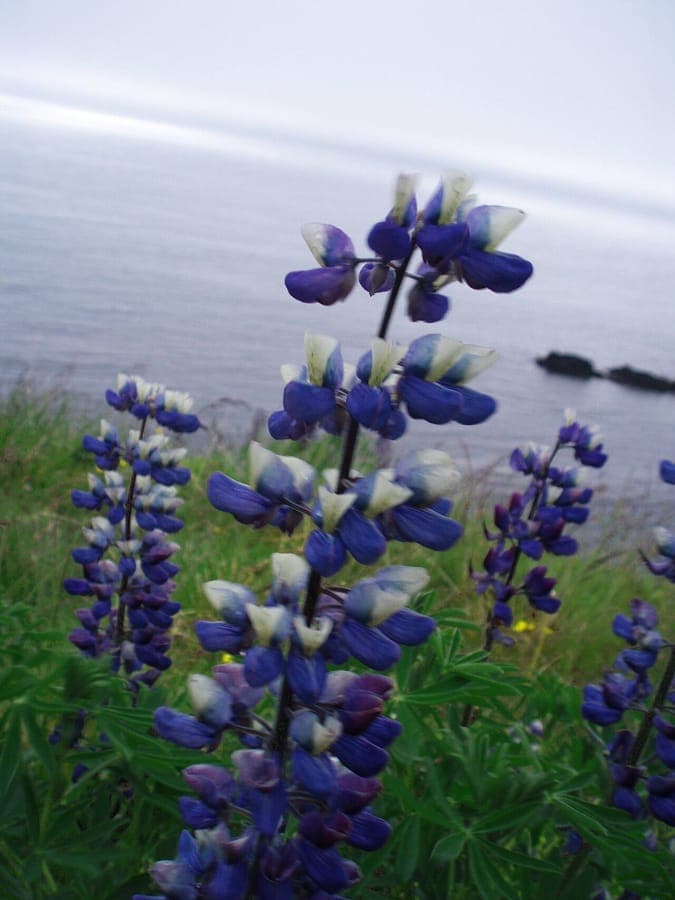
de:User:Jutta234 / CC BY-SA 3.0, via Wikimedia Commons
Nootka lupine: complete guide
Lupinus nootkatensis
Want to see Nootka lupine: complete guide in your garden?
1 minute, no credit card
Overview
Lupinus nootkatensis, commonly known as Nootka lupine, is a striking herbaceous perennial native to the Pacific Northwest - from Alaska down through British Columbia and into Washington. In gardens across temperate zones, it's prized for its tall, densely packed flower spikes and ability to enrich poor soils. As a member of the Fabaceae family, it forms symbiotic relationships with soil bacteria to fix atmospheric nitrogen, improving fertility for neighbouring plants. It's a standout in cottage gardens, coastal plantings, and naturalised areas. On gardenworld.app, you can design a planting scheme that maximises sun exposure and spacing for Nootka lupines, ensuring strong growth and vibrant blooms.
Appearance & bloom cycle
This lupine grows 60–90 cm tall with a spread of around 30 cm. Its palmate leaves, divided into 7–11 narrow leaflets, sit atop sturdy stems and provide a lush green backdrop. From late June to August, it produces impressive flower spikes up to 25 cm long. The blooms range from bright yellow and creamy white to soft pink and deep violet, depending on the variety. Each spike is composed of numerous pea-like flowers that open from the bottom up. These nectar-rich blossoms attract bumblebees, honeybees, and other pollinators, boosting garden biodiversity. After flowering, seed pods develop and may self-sow under ideal conditions. Note: all parts of the plant are toxic if ingested, so keep away from pets and children.
Ideal location
Nootka lupine thrives in full sun but tolerates light shade, especially in hotter climates. For best results, plant in a spot with at least 6 hours of direct sunlight daily. It performs exceptionally well in coastal gardens due to its tolerance of salt-laden winds. Good air circulation is essential to prevent fungal diseases like powdery mildew. Avoid overcrowding and plant on slopes or raised beds where drainage is natural. On gardenworld.app, you can visualise wind patterns and sunlight hours to pinpoint the perfect location for your lupines.
Soil requirements
This plant prefers well-drained, slightly acidic to neutral soil with a pH between 6.0 and 7.0. Sandy or loamy soils are ideal; heavy clay should be amended with grit or compost to improve drainage. Lupines dislike waterlogged roots, which quickly lead to rot. Because they fix their own nitrogen, they don't need rich soil or high-nitrogen fertilisers. In fact, too much nitrogen promotes leafy growth at the expense of flowers. A light application of balanced organic fertiliser in early spring is sufficient, if needed at all.
Free design
Want to see Nootka lupine: complete guide in your garden? Make a free design now.
Watering
Once established, Nootka lupine is moderately drought-tolerant. During the growing season (April to September), water deeply but infrequently, allowing the soil to dry slightly between waterings. Avoid overhead watering to reduce the risk of fungal issues. Young plants require more consistent moisture until their root systems develop. In prolonged dry spells, a weekly soak at the base is beneficial. Mulching with gravel or pine needles helps retain moisture without trapping excess water.
Pruning
Pruning is minimal. After flowering, cut back spent spikes to encourage neatness and prevent excessive self-seeding. Leave some seed heads if you want natural spread, but monitor closely as this species can be vigorous in favourable conditions. In late autumn, cut back dead foliage to ground level. Avoid cutting into the crown, as this can damage the plant's central growing point.
Maintenance calendar
- Jan: Check mulch layer; ensure no waterlogging.
- Feb: No action needed.
- Mar: Remove old debris; watch for emerging shoots.
- Apr: Begin light watering; watch for slugs.
- May: Loosen soil gently; avoid disturbing roots.
- Jun: Bloom begins; inspect for aphids.
- Jul: Peak flowering; deadhead spent spikes.
- Aug: Reduce watering; keep foliage dry.
- Sep: Collect seeds or allow self-seeding.
- Oct: Cut back dead stems; apply light mulch.
- Nov: Protect roots with pine needles if in cold zones.
- Dec: Dormant period; minimal care.
Winter hardiness
Nootka lupine is hardy in USDA zones 4–7. In zone 8 (UK and parts of the US), it usually survives winter with little protection. Good drainage is critical - wet winter soil is the main cause of die-off. In colder areas, a light mulch of pine needles or straw helps insulate roots without smothering the crown. Young plants benefit from extra protection in their first winter.
Companion plants
Pair Nootka lupine with Echinacea, Salvia, or Achillea for a long-lasting summer display. Its vertical form contrasts beautifully with the mounds of catmint (Nepeta) or the soft texture of ornamental grasses like Festuca. Avoid planting near aggressive spreaders or heavy feeders that might compete for space and nutrients. In coastal gardens, combine with Sea Thrift (Armeria maritima) or Bear's Breeches (Acanthus mollis). Give each plant at least 40 cm of space to ensure airflow and reduce disease risk.
Closing
Nootka lupine brings bold colour and ecological value to the garden. With its tall spires and nitrogen-fixing roots, it's both beautiful and beneficial. It's widely available in the UK and US at garden centres like those in the Truffaut network or local independents. In the US, look for it at regional nurseries specialising in native or pollinator-friendly plants. Keep in mind its toxicity and plant it where curious hands or paws won't interfere. With proper siting and care, it will return year after year. For design inspiration, visit gardenworld.app to plan a lupine-rich border that thrives in your specific conditions.
Want to see Nootka lupine: complete guide in your garden? Make a free design now.
Upload a photo, pick a style, and get a photorealistic design with plant list in under a minute.
No credit card required


Similar plants
Tall Silky Lupine: complete guide
Lupinus elatus
Tall silky lupine is a fast-growing Californian perennial with silvery foliage and blue-purple flower spikes, ideal for a prairie-style garden.
Garfield Lupine: complete guide
Lupinus garfieldensis
The Garfield lupine is a rare, fast-growing American perennial for alkaline, dry grassland gardens, with striking blue flower spikes.
Lupinus elegans: complete guide
Lupinus elegans
Lupinus elegans, the elegant lupine, is a spectacular blooming plant from Mexico with blue flower spikes. Care, cultivation and garden use.