
Walter Siegmund (talk) / CC BY-SA 3.0, via Wikimedia Commons
Lupinus latifolius: complete guide
Lupinus latifolius
Want to see Lupinus latifolius: complete guide in your garden?
1 minute, no credit card
Overview
The broadleaf lupine (Lupinus latifolius) is a stunning herbaceous perennial native to the American Southwest, particularly the Rocky Mountains and arid plateaus. This wild beauty blooms reliably in harsh conditions where most garden plants struggle. In your front yard, it becomes a natural focal point with its upright spikes of purple-blue flowers that seem to reach endlessly toward the sky.
As a member of the Fabaceae family, this lupine fixes atmospheric nitrogen, enriching your soil naturally. This benefit extends to neighboring plants, making it an ecological asset alongside its ornamental appeal.
Appearance and bloom
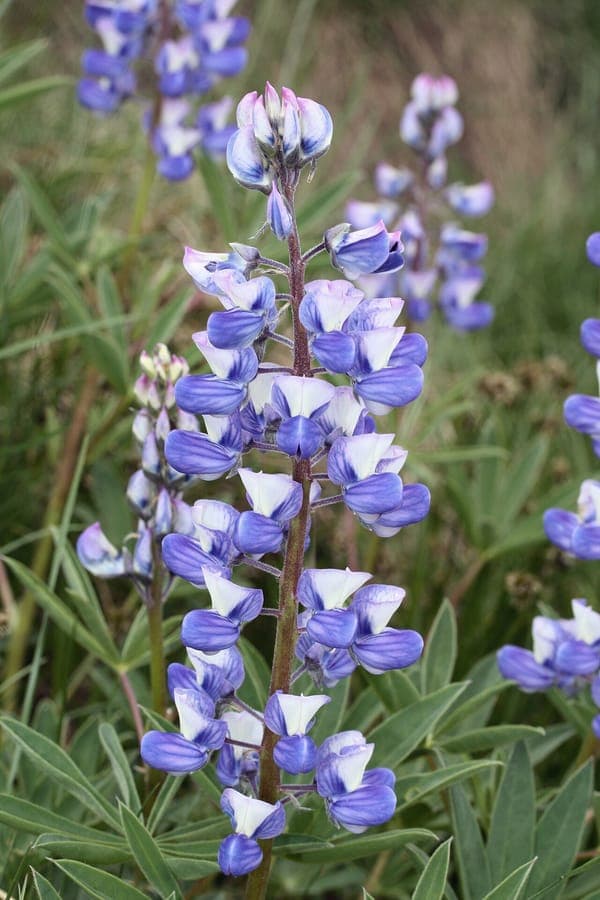
Lupinus latifolius grows as a vigorous upright plant with distinctive, leathery leaves that radiate from the stem like fingers on a hand. True to its scientific name (latifolius meaning broad-leaved), these leaflets are notably wider than other lupine species.
From May through July, densely packed flower spikes emerge, each tiny pea-shaped bloom clustered tightly along the spike. The typical color ranges from deep lavender to blue-purple, occasionally with pale near-white undertones. Bumblebees and native bees flock to these blooms, making it a wildlife magnet. The flowering period spans several weeks, creating a landscape moment worth waiting for.
Following bloom, the plant develops distinctive seed pods that persist through fall, adding textural interest. These pods provide viable seeds for gardeners who wish to propagate additional plants.
Ideal location
Place your broadleaf lupine in full sun to light shade. Aim for at least six hours of direct sunlight daily for robust flowering. South-facing positions, particularly against heat-absorbing walls, yield the most abundant blooms.
This species excels in prairie and xeriscape designs. Combine it with fellow drought-tolerant companions like Echinacea, Rudbeckia, and Salvia. It's equally at home on dry slopes, rock gardens, and in containers on sunny terraces.
Avoid shaded corners or locations beneath large trees. Here it will become leggy, produce fewer flowers, and become prone to fungal issues.
Soil
Broadleaf lupine is forgiving regarding soil composition, provided drainage is excellent. Sandy loam, sand-clay mixes, and even poor, rocky soils are acceptable. Paradoxically, it thrives better in less nutrient-rich soil-excess compost or fertilizer encourages leafy growth at the expense of flowering.
Preferred pH ranges from neutral to slightly acidic (6.5-7). If your soil is heavy clay, incorporate coarse sand and small stones when planting. Waterlogged conditions are fatal; excellent drainage is non-negotiable.
Maintain loose, crumbly soil structure. Compacted earth impedes root respiration and invites rot during wetter periods.
Free design
Want to see Lupinus latifolius: complete guide in your garden? Make a free design now.
Watering
Once established, broadleaf lupine is remarkably drought-tolerant. During the active growing season (March through June), provide regular water, especially during dry spells. Post-bloom, water requirements diminish substantially.
From July through October, water sparingly but consistently during drought. Winter watering is minimal-the plant rests and prefers drier conditions. Never let soil become bone-dry, however.
Always water at the base, never overhead. Wet foliage and flowers invite fungal diseases. A simple drip irrigation line is ideal for extended dry periods.
Pruning
Pruning is primarily maintenance work. Deadhead spent flower spikes regularly to extend the flowering window and prevent energy waste on seed production.
At season's end (October-November), cut the entire plant back to about 5 centimeters above soil level. This encourages more compact growth in the following season.
Remove any damaged or diseased stems immediately. Water damage or pest damage warrants swift removal.
Maintenance calendar
March: Soil preparation, amendment addition, light fertilization. April-May: Planting or seed sowing. May-July: Regular watering, deadheading, weed removal. August-September: Continue deadheading, reduce water. October-November: Cut back plant, winterization prep. December-February: Dormancy period, minimal moisture.
Winter hardiness
Broadleaf lupine is exceptionally cold-hardy (USDA zone 3, tolerating temperatures to -35 degrees Celsius). Throughout the Benelux region, it behaves as a reliable perennial. Above-ground growth may die back during severe winters, but the root system persists.
In exceptional years with extreme snow or ice, consider light mulch (not too thickly applied) for root protection. Generally, this precaution isn't necessary.
Companion plants
Wild lupine pairs beautifully with fellow drought-tolerant natives:
- Echinacea purpurea (purple coneflower)
- Rudbeckia fulgida (black-eyed susan)
- Artemisia ludoviciana (white sagebrush)
- Perovskia atriplicifolia (Russian sage)
- Festuca glauca (blue fescue)
- Limonium latifolium (statice)
This combination creates a wild, summery aesthetic with genuine visual impact.
Closing
Lupinus latifolius appeals to gardeners seeking authentic, low-maintenance perennial combinations. It demands little while contributing substantially. With nitrogen-fixing roots, extended flowering, and natural elegance, it deserves space in your front yard design.
Find broadleaf lupine seeds and plants at specialty nurseries and online retailers. Seeds offer economy and ease; plants provide faster establishment. With minimal effort, you'll enjoy reliable blooms for years.
Seek more native plant inspiration and xeriscape design tips on gardenworld.app for personalized recommendations.
Want to see Lupinus latifolius: complete guide in your garden? Make a free design now.
Upload a photo, pick a style, and get a photorealistic design with plant list in under a minute.
No credit card required


Similar plants
Tall Silky Lupine: complete guide
Lupinus elatus
Tall silky lupine is a fast-growing Californian perennial with silvery foliage and blue-purple flower spikes, ideal for a prairie-style garden.
Garfield Lupine: complete guide
Lupinus garfieldensis
The Garfield lupine is a rare, fast-growing American perennial for alkaline, dry grassland gardens, with striking blue flower spikes.
Lupinus elegans: complete guide
Lupinus elegans
Lupinus elegans, the elegant lupine, is a spectacular blooming plant from Mexico with blue flower spikes. Care, cultivation and garden use.