
Wikimedia Commons / Public domain, via Wikimedia Commons
Ludwigia alternifolia: complete guide
Ludwigia alternifolia
Want to see Ludwigia alternifolia: complete guide in your garden?
1 minute, no credit card
Overview
Ludwigia alternifolia, commonly known as Rattlebox, Seedbox, or Bushy seedbox, is an intriguing North American plant from the Onagraceae family. This moisture-loving specimen originates from eastern North America, ranging from Canada to Texas, thriving in marshes, stream banks, and wet soils.
This unique plant is renowned for its characteristic square seed pods that rattle when dry (hence the common name Rattlebox). With its natural preference for wet conditions and remarkable adaptability, it makes an excellent choice for gardeners with problematic moisture issues. At GardenWorld, we recommend this fascinating specimen for wildlife gardens and naturalistic plantings.
Appearance and Bloom
Ludwigia alternifolia grows as an upright to spreading shrub reaching 30 to 90 centimeters in height. The plant displays narrow, elongated leaves arranged alternately along the stems, reflecting its scientific epithet.
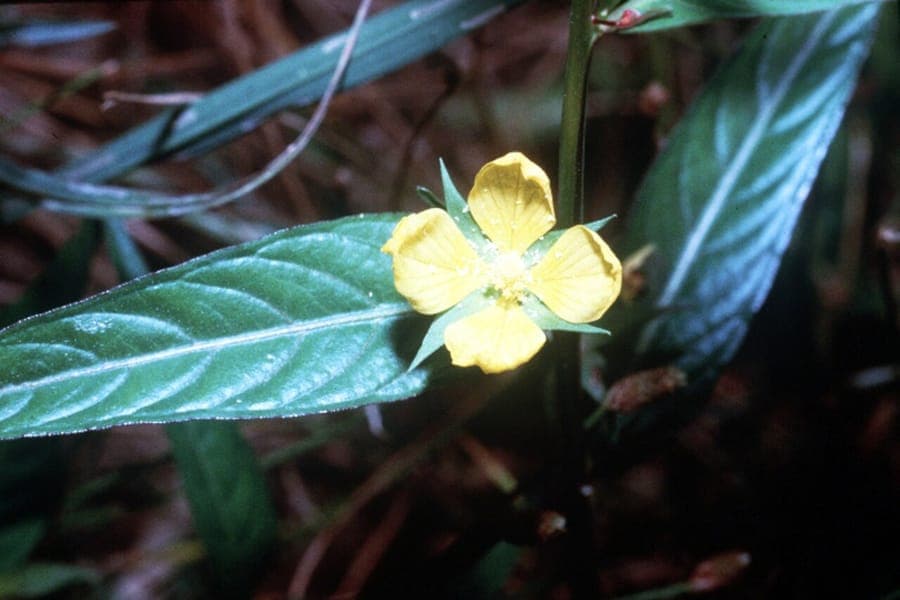
The flowers are small, bright yellow blooms approximately 1 to 1.5 centimeters across, scattered along the stems. They appear throughout the summer months from June to September. Following bloom, characteristic square seed capsules develop, reaching 1 to 2 centimeters in length.
During autumn and winter, the seed pods dry and brown, and when shaken, the enclosed seeds rattle audibly - a delightful natural feature that children often find amusing.
Ideal Location
Ludwigia alternifolia thrives in full sun to dappled shade environments. Plant in locations receiving at least 4 to 6 hours of direct sunlight daily for optimal growth and flowering. The plant tolerates light shade, though growth will be less vigorous.
This is an excellent plant for pond margins, wet soils, rainwater retention areas, and boggy zones. It also performs well in ordinary garden soils provided it receives regular water. Plant in groups for visual impact, particularly in wildlife and naturalistic gardens.
Soil
Ludwigia alternifolia prefers moisture-rich to wet soils. Heavy, loamy soils are ideal. The plant even tolerates poorly drained ground provided it retains moisture. Neutral to slightly acidic pH around 6 to 7 is optimal.
Amend poor ground with generous quantities of organic matter - peat moss or leaf mould enhance water retention. The plant can even grow in shallow water up to 10 centimeters deep. For container cultivation, use standard potting mix supplemented with additional peat or coconut coir.
Watering
Water Ludwigia alternifolia regularly and generously. This is one of the few plants you cannot overwater. Water daily during the growing season, especially during dry spells. The plant cannot tolerate desiccation.
In very warm, dry climates, even regular watering may be insufficient - plant it in shallow water or very moist soils instead. After bloom and seed maturation, you can slightly reduce watering frequency, but keep the soil moist.
In winter, reduce watering somewhat, but never allow the soil to completely dry.
Free design
Want to see Ludwigia alternifolia: complete guide in your garden? Make a free design now.
Pruning
Ludwigia alternifolia requires minimal pruning. Remove dead stems in spring. The plant can be cut back in early spring to encourage a more compact, bushier form.
Leave seed pods standing through autumn and early winter for visual interest and wildlife food value. Remove them when they begin to deteriorate or if space is limited.
Maintenance Calendar
March-April: Spring preparation. Remove dead material. Plant new specimens or divisions in moist soils.
May-June: Growth period begins. Ensure abundant watering. Flowering commences.
July-September: Full growth and bloom. Seed pods form and mature. Water generously.
October-November: Seed pod development completes. Pods dry and brown. Can be harvested for seed collection.
December-February: Above-ground material dies back. Plant overwinters as underground root crown in colder regions.
Winter Hardiness
Ludwigia alternifolia is winter-hardy in most European climates, suitable for zones 6 to 10. In northern regions (zones 5 and colder), the above-ground part dies back in winter but the plant typically regrows from its root crown in spring.
In zones 6-8, provide winter mulch (approximately 5-10 centimeters) over the root area to protect during severe cold. In warmer zones, the plant remains semi-evergreen or completely evergreen.
Companion Plants
Ludwigia alternifolia combines beautifully with other moisture-loving plants:
- Lythrum species for pink flowers and color contrast
- Moisture-tolerant Iris varieties
- Primula japonica for additional yellow accents
- Euphorbia palustris for structural interest
- Mentha aquatica (Water mint) for fragrance
- Carex sedges for textural interest
- Sanguisorba for dark foliage contrast
Combine in wet areas for attractive, wildlife-supporting plantings.
Closing
Ludwigia alternifolia is a valuable addition to moisture gardens and wetland simulations. With its yellow flowers, rattling seed pods, and naturalistic appearance, it brings authentic charm to wet areas.
GardenWorld recommends it for gardeners with moisture problems who wish to transform challenges into advantages. This is a plant that loves water and proves it emphatically. Whether planted along pond margins, in deep planting bowls, or in artificial wetlands, Rattlebox is a worthwhile, fascinating choice.
Visit gardenworld.app for additional guidance on moisture gardens and plant selection. Our experts help transform problems into beautiful, functional spaces. With Ludwigia alternifolia in your garden, you are well on your way to creating a verdant, wildlife-supporting outdoor environment.
Want to see Ludwigia alternifolia: complete guide in your garden? Make a free design now.
Upload a photo, pick a style, and get a photorealistic design with plant list in under a minute.
No credit card required


Similar plants
Shortfruit evening primrose: complete guide
Oenothera brachycarpa
Everything about Oenothera brachycarpa - the shortfruit evening primrose from the American Southwest. Growing tips, placement and care for your garden.
Sundrops (Oenothera tetragona): complete guide
Oenothera tetragona
Everything about Oenothera tetragona - the cheerful daytime-blooming sundrops perennial. Growing tips, placement, pruning and care for a long summer display.
Seabeach evening primrose: complete guide
Oenothera humifusa
Full guide to Oenothera humifusa, the seabeach evening primrose native to the US Atlantic coast. Yellow blooms, silvery foliage, drought-tolerant.