
Stefan.lefnaer / CC BY-SA 4.0, via Wikimedia Commons
Broomleaf Toadflax: complete guide
Linaria genistifolia
Want to see Broomleaf Toadflax: complete guide in your garden?
1 minute, no credit card
Overview
Broomleaf Toadflax (Linaria genistifolia) is a delicate herbaceous flower from the Plantaginaceae family, native to European mountains, plateaus, and steppes stretching from the Alps across to Siberia. Named for its feathery, needle-like leaves that resemble broom (Cytisus), this upright flowering plant produces masses of small, bright yellow blooms throughout summer. It's an excellent choice for gardeners seeking drought-resistant plants that thrive in sunny, well-drained locations with minimal care.
Linaria genistifolia is wonderfully cold-hardy and incredibly low-maintenance, making it perfect for modern minimalist and cottage-style gardens. Once established, it practically looks after itself while providing reliable, cheerful blooms season after season.
Appearance & bloom
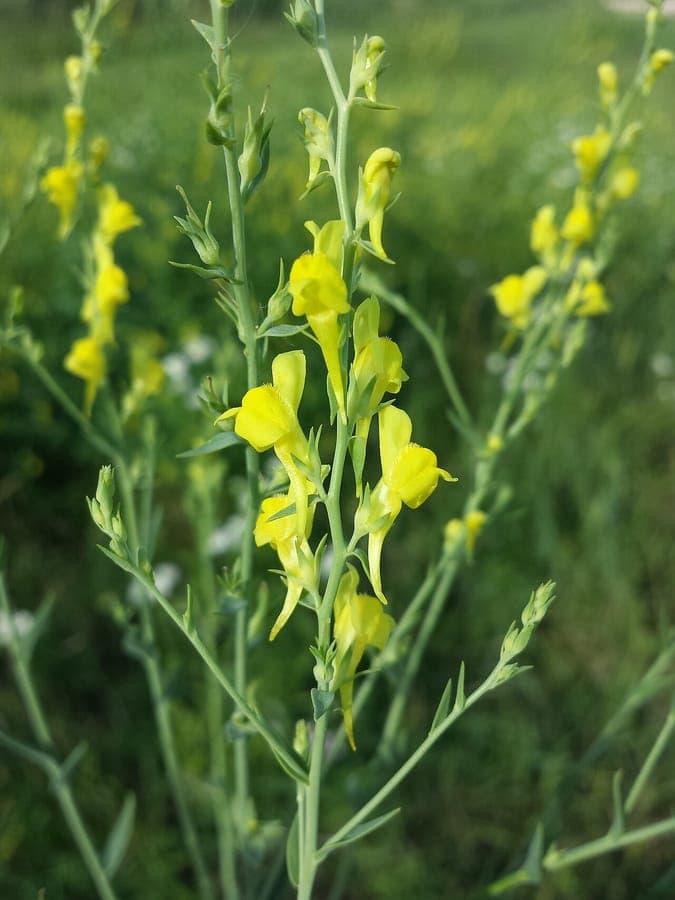
Broomleaf Toadflax grows 30-60 centimetres tall, forming an upright or slightly spreading clump. The foliage is exceptionally fine and feathery, with narrow, linear, dark green leaves that create an almost grass-like texture. From June through September, the plant produces abundant small yellow flowers arranged in loose, airy spikes along the stems. Each flower measures approximately 1 centimetre across and displays the characteristic snapdragon-like form of the Linaria genus, complete with a slender backward-pointing spur.
The blooms are typically pure lemon-yellow, though some plants may display subtle orange tones. As flowers fade, small seed capsules develop, ripening by late summer. Mature plants sometimes develop reddish tinges in their foliage during autumn, adding unexpected seasonal interest.
Ideal location
Broomleaf Toadflax thrives in full sun positions. The plant requires a minimum of six hours of direct sunlight daily for optimal growth and prolific flowering. South-facing borders, dry slopes, sunny rock gardens, and exposed hillsides are all ideal locations. Plants in partial shade will survive but produce fewer flowers and may become slightly leggy.
This plant absolutely abhors waterlogged situations. Never plant it in low-lying, damp areas or near irrigation systems. Raised beds, alpine troughs, well-draining borders, and sunny, sheltered positions against south-facing walls are perfect. In Mediterranean gardens, xeriscapes, and drought-inspired plantings, Broomleaf Toadflax truly shines.
Soil
This plant is almost completely undemanding regarding soil quality. A freely draining soil is essential-waterlogging leads to certain failure. Heavy clay soils must be amended by incorporating grit, coarse sand, or gravel to improve drainage and aeration. The pH can range from neutral to slightly alkaline; the plant grows equally well on limy, chalky soils as on neutral ones.
Soil fertility is irrelevant. Linaria genistifolia performs beautifully on poor, nutrient-starved soils. Excessive fertilisation leads to leafy growth at the expense of flowers. A simple sandy-gravel mix is entirely adequate. At planting time, you may add a handful of compost or aged manure, but subsequent feeding is completely unnecessary.
Free design
Want to see Broomleaf Toadflax: complete guide in your garden? Make a free design now.
Watering
Once established, Broomleaf Toadflax is remarkably drought-tolerant. During the growing season (spring and summer), you may water sparingly, especially during extended dry spells. However, the plant prefers dry to moist. Regular watering is only necessary in the first 4-6 weeks after planting, until roots are fully established.
Avoid standing water or frequent foliage wetting, as this invites fungal diseases. Dry, ground-level watering is ideal. Once established (after one full growing season), supplement watering is rarely, if ever, necessary except during exceptional droughts.
Pruning
Linaria genistifolia responds well to modest pruning. A light trim in early spring (March-April) encourages a more compact habit and stimulates abundant flowering. Remove no more than one-third of the plant's height. After flowering ends (late August through September), deadheading spent blooms prevents excessive seeding and keeps plants looking tidy.
Winter frost damage, particularly on young plants, occasionally occurs. Remove damaged or dead stems in early spring. Always use sharp, sterilised tools and clean them between cuts to prevent disease transmission.
Maintenance calendar
January-February: Inspect for winter damage. Remove dead or severely damaged branches. March-April: Light spring pruning. Begin watering if the previous winter was exceptionally dry. No feeding required. May-June: Regular checks. Water only during prolonged droughts. Enjoy early blooms. July-August: Peak flowering period. No watering needed unless extremely dry. Deadhead spent flowers. September-October: Flowering declines. Do not prune after September. Begin preparing plants for winter dormancy. November-December: Winter rest period. No maintenance needed. Protect young plants against severe frosts with mulch.
Winter hardiness
Broomleaf Toadflax is exceptionally winter-hardy. The plant tolerates temperatures down to -20 degrees Celsius without issue. In Northern Europe, it will easily survive outdoors year-round. While aerial parts may die back during severe frost periods, the plant typically regenerates from its root system the following spring.
Mild zones, where temperatures rarely drop below -5 degrees Celsius, are ideal. For extra insurance, protect young plants in their first winter with a 5-10 centimetre mulch layer.
Companion plants
Linaria genistifolia pairs beautifully with other sun-loving, drought-tolerant plants:
Excellent companions include:
- Lavender (Lavandula angustifolia) - contrasting purple blooms
- Lamb's ears (Stachys byzantina) - silvery foliage provides striking contrast
- Rock roses (Helianthemum nummularium) - similar growing requirements and low water needs
- Santolina (Santolina chamaecyparissus) - fine foliage texture with white flowers
- Roses (drought-tolerant species like Rosa davidii)
- Ornamental grasses (Pennisetum, Festuca)
Avoid pairing with large, vigorous plants that may overwhelm this dainty species.
Closing thoughts
Broomleaf Toadflax is an elegant, low-maintenance flower for modern, sun-filled gardens. With its delicate foliage and bright yellow blooms from June through September, it offers reliable, cheerful colour with virtually no effort. The plant thrives in dry, sunny locations and tolerates most soil types provided drainage is excellent. For gardenworld.app users seeking truly maintenance-free flowering plants, Broomleaf Toadflax is an absolute must!
Looking for more inspiration? Discover more drought-tolerant plants on gardenworld.app and design your dream garden today!
Want to see Broomleaf Toadflax: complete guide in your garden? Make a free design now.
Upload a photo, pick a style, and get a photorealistic design with plant list in under a minute.
No credit card required


Similar plants
White Beardtongue: complete guide
Penstemon albidus
Discover white beardtongue (Penstemon albidus) - elegant perennial with white to cream flowers. Drought-resistant, perfect for prairie and dry gardens.
Longsepal Beardtongue: complete guide
Penstemon calycosus
Discover longsepal beardtongue (Penstemon calycosus) - beautiful perennial with lilac-blue flowers. For partial shade and moist soil. Ideal for naturalized.
Penstemon cusickii: complete guide
Penstemon cusickii
Discover Cusick's beardtongue, a compact alpine flowering plant with violet-pink blooms. Perfect choice for rock gardens and water-wise landscaping.