
Wikimedia Commons / CC BY-SA 2.5, via Wikimedia Commons
Chinese privet: complete guide
Ligustrum sinense
Want to see Chinese privet: complete guide in your garden?
1 minute, no credit card
Overview
Ligustrum sinense, commonly known as Chinese privet, is a fast-growing, deciduous to semi-evergreen shrub widely used in temperate gardens for hedging and screening. Native to southern China and parts of Vietnam, it adapts well to USDA zones 6b through 9, making it a solid choice for gardens across the UK, Ireland, and much of the northern US. It's prized for its dense foliage, rapid growth (up to 60 cm per year under ideal conditions), and resilience to urban conditions.
On gardenworld.app you can design a planting plan that integrates Chinese privet seamlessly into mixed borders or formal hedges, ensuring proper spacing and long-term growth projections.
Appearance & bloom cycle
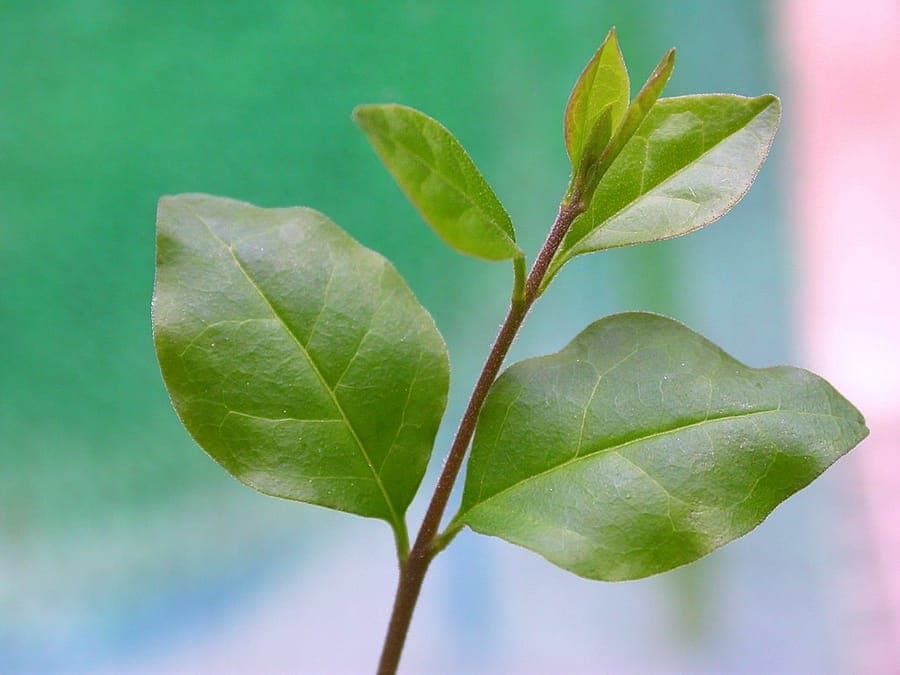
Chinese privet typically reaches 2.5 to 4 meters in height, with a spread of 1.5 to 2 meters. The stems are slender and branched, forming a tight, bushy framework. Leaves are opposite, simple, and lanceolate, measuring 2–5 cm long, with a glossy dark green upper surface. In late spring to midsummer (May through July), it produces clusters of small, creamy-white flowers at the tips of branches. These are mildly fragrant and attract bees and other pollinators.
Following flowering, small, dark purple to black drupes develop and persist into winter, providing visual interest but posing a toxicity risk-these berries are poisonous if ingested by humans or pets. Birds, however, eat them freely and can spread seeds to unintended areas.
Ideal location
Plant Chinese privet in full sun to partial shade. It performs best with at least 5–6 hours of direct sunlight daily. In deep shade, growth becomes leggy and foliage sparser, reducing its effectiveness as a privacy screen. It tolerates urban heat, reflected light from walls, and close proximity to paved surfaces.
For hedges, space plants 50–60 cm apart. Closer spacing (40 cm) gives quicker coverage but increases competition and watering needs early on. Use gardenworld.app to visualise your hedge layout and calculate plant numbers based on your garden dimensions.
Soil requirements
This shrub is adaptable to a range of soil types-clay, loam, or sandy-as long as drainage is adequate. It prefers a pH between 5.5 and 7.5. Poorly drained, waterlogged soils lead to root rot, especially in winter. If planting in heavy clay, amend the hole with grit and compost to improve structure.
In sandy soils, mix in organic matter like well-rotted manure or compost to boost water and nutrient retention. Avoid overly rich soils, which can promote excessive soft growth vulnerable to pests.
Free design
Want to see Chinese privet: complete guide in your garden? Make a free design now.
Watering
During the first growing season, water deeply twice a week during dry spells-about 10–15 litres per plant. After establishment (year two), Chinese privet becomes moderately drought tolerant and only needs supplemental watering during prolonged dry periods (3+ weeks without rain).
Use deep, infrequent watering to encourage root development. Avoid frequent light sprinkling, which promotes shallow roots and increases stress during heatwaves.
Pruning
Pruning is essential to maintain density and shape. Trim twice a year: once in early summer after flowering (June), and again in late summer (August). Avoid pruning after mid-September, as new growth may not harden before winter and can suffer frost damage.
Use sharp, clean shears. Cut back no more than one-third of the current season's growth. Shape the hedge slightly wider at the base than the top to allow light penetration and prevent bare lower sections.
Maintenance calendar
- January: Inspect for winter damage. Remove dead or broken branches.
- February: Final light pruning before bud break.
- March: Check soil moisture. Begin slow-release fertiliser application.
- April: Monitor for aphids or scale insects. Treat with horticultural oil if needed.
- May: Ideal time to plant new specimens after last frost.
- June: First major prune after flowering.
- July: Watch for drought stress during hot spells.
- August: Second prune to refine shape.
- September: Stop nitrogen fertilisation. Check for fungal spots.
- October: Clear fallen leaves and berries. Do not compost berries.
- November: Mulch base of young plants in colder zones for root protection.
- December: Check for snow load on branches.
Winter hardiness
Chinese privet is hardy in USDA zones 6b–9. In zone 6b, young plants may need light winter protection-mulch with bark or straw. Mature shrubs handle temperatures down to -17°C, though prolonged cold below -15°C can damage new growth. In wet winters, root rot is a bigger threat than cold.
Companion plants
Pair Chinese privet with evergreen shrubs like Osmanthus or Boxwood for year-round structure. Underplant with shade-tolerant perennials such as Lamium maculatum, Heuchera, or Carex elata 'Aurea'. Avoid aggressive ground covers like English ivy, which can climb and smother young shoots.
In mixed hedges, alternate with native species like Viburnum or Hawthorn to support biodiversity while maintaining screening.
Closing
Chinese privet is a dependable, low-maintenance hedge solution when managed properly. Its speed and density make it ideal for quick privacy, but it requires regular pruning to prevent legginess and seeding. Be mindful of its invasive potential in some regions-always deadhead or remove berries if preventing spread is a priority.
Available at most garden centres in 30–50 cm sizes, it's an affordable option for large-scale planting. For design inspiration and spacing tools, visit gardenworld.app to build a custom garden layout with Chinese privet at its core.
Want to see Chinese privet: complete guide in your garden? Make a free design now.
Upload a photo, pick a style, and get a photorealistic design with plant list in under a minute.
No credit card required


Similar plants
Rough menodora: complete guide
Menodora scabra
Full guide to Menodora scabra: a drought-tolerant desert subshrub with bright yellow flowers, ideal for rock gardens and xeriscapes.
Fraxinus dipetala: complete guide
Fraxinus dipetala
California ash or two-petal ash from southwestern USA. Beautiful spring flowers, drought-tolerant. Experimental choice for warm Mediterranean front gardens.
Syringa komarowii: complete guide
Syringa komarowii
Syringa komarowii is a striking lilac from central China with elegant flower spikes and lovely foliage. Discover the complete care guide here.