
MPF / CC BY 2.5, via Wikimedia Commons
Flaky juniper: complete guide
Juniperus squamata
Want to see Flaky juniper: complete guide in your garden?
1 minute, no credit card
Overview
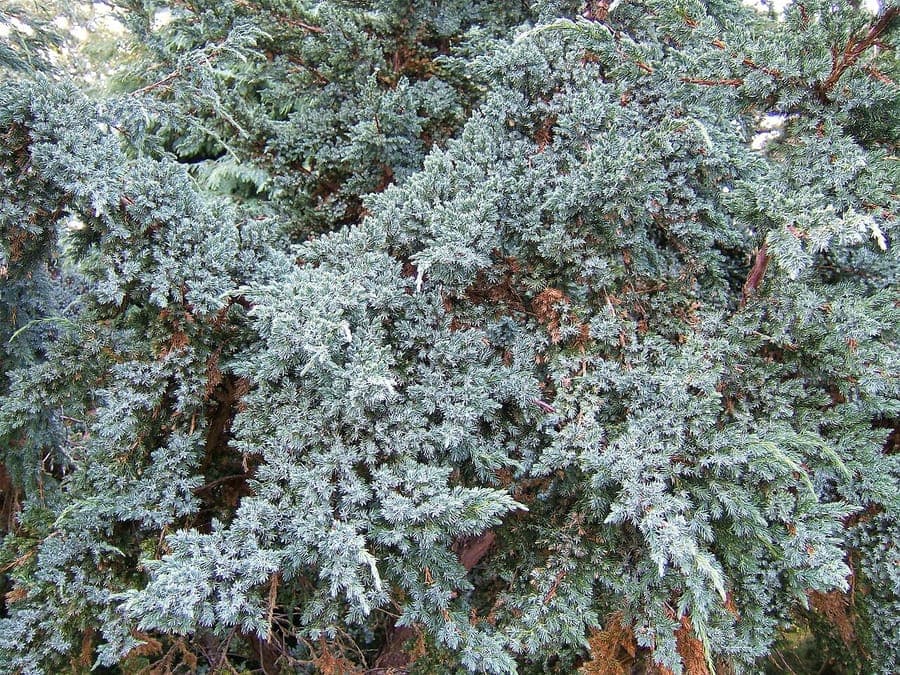
Juniperus squamata, better known as Flaky juniper, is a tough, evergreen shrub that earns its place in gardens across temperate zones. Native to mountainous regions from Afghanistan to China, it thrives in well-drained, rocky soils and full sun. In cultivation, it typically grows 1.2 to 1.8 metres tall and spreads 1.5 to 2 metres wide over 10–15 years, adding about 10–15 cm annually. Unlike tree-form junipers, this variety has a spreading, open habit that works beautifully as groundcover or in mixed borders.
Gardeners in the UK and US appreciate its resilience and low upkeep. On gardenworld.app, Flaky juniper is a popular choice for xeriscapes and modern garden designs where structural evergreens are needed. Cultivars like 'Blue Star' and 'Meyeri' are widely available at garden centres and offer subtle variations in colour and form.
Appearance & bloom cycle
The Flaky juniper lives up to its name with its flaky, peeling bark and fine, scale-like foliage. The needles are densely packed and range from silvery blue to deep green, giving the plant a soft, feathery appearance year-round. Though technically a conifer, it doesn't produce showy flowers. Instead, small, inconspicuous blooms appear between April and May. Male and female flowers grow on separate plants, so only female specimens produce the small blue-black berries that follow in late summer.
These berries aren't suitable for human consumption but attract birds. The plant's open branching pattern casts light shade and adds texture to the garden, especially when morning light catches the silvery tips.
Ideal location
Full sun is best for Flaky juniper-this encourages dense growth and vibrant foliage colour. It can tolerate light shade, but growth will be looser and slower. A south- or west-facing slope is ideal, especially in gardens with poor soil or drainage issues. Avoid low-lying areas where water collects.
Because it's adapted to rocky, alpine conditions, it performs well in rockeries, raised beds, or between flagstones. In urban gardens, it adds structure near walls or patios. Use gardenworld.app to design a layout that combines Flaky juniper with gravel, stone, and other drought-tolerant plants for a clean, modern look.
Soil requirements
This juniper isn't fussy about soil type as long as it drains well. Sandy or loamy soils with a pH between 5.5 and 7.5 work best. Heavy clay should be amended with grit and compost to improve drainage. If planting in containers, use a mix of 2 parts loam, 1 part sand, and 1 part perlite.
Avoid overly rich soils or fresh manure-these encourage weak, leggy growth. A light application of compost in early spring is sufficient. Steer clear of high-lime soils if growing 'Blue Star', which is slightly sensitive to alkalinity.
Free design
Want to see Flaky juniper: complete guide in your garden? Make a free design now.
Watering
Newly planted Flaky junipers need weekly watering during their first growing season-about 10–15 litres per plant. Once established, they're highly drought tolerant. During prolonged dry spells, especially in USDA zones 7–8, water deeply every two weeks.
Use rainwater when possible-tap water with high lime content can discolour foliage over time. Water at the base to avoid wetting the foliage, which can encourage fungal issues in humid conditions.
Pruning
Pruning isn't required, but light shaping in June or July helps maintain a compact form. Never cut into old wood-junipers don't regenerate from bare stems. Use sharp, clean shears and prune in line with the plant's natural growth pattern.
Cultivars like 'Meyeri' benefit from occasional trimming to preserve their wide, fountain-like shape. Avoid pruning after August-late cuts can stimulate new growth that won't harden before winter.
Maintenance calendar
- January: Check for winter dieback, remove dead wood
- February: Inspect for winter damage
- March: Aerate soil lightly, apply thin compost layer
- April: Monitor for aphids or scale, start watering young plants
- May: Flowers appear; no action needed
- June: Light pruning if desired
- July: Watch for drought stress, water if needed
- August: Let plant rest; avoid pruning
- September: Leave fallen needles as natural mulch
- October: Check for fungal spots in wet weather
- November: Prepare for winter; ensure good drainage
- December: Minimal care; leave undisturbed
Winter hardiness
Flaky juniper is hardy in USDA zones 5 to 8, surviving temperatures down to -20°C. It handles cold well but young plants may suffer from winter burn in exposed, sunny spots. Protect with burlap or plant in a sheltered location. Avoid piling snow on branches-gently brush it off to prevent breakage.
Companion plants
Pair Flaky juniper with other sun-loving, drought-tolerant plants: Sedum, Thymus, Echinacea, or Stipa. For contrast, add purple moor grass (Molinia caerulea) or ornamental Alliums. Avoid moisture-hungry perennials like Hosta or Astilbe.
Closing
Flaky juniper is a dependable, low-maintenance evergreen that brings year-round structure to the garden. Whether you're creating a rock garden, stabilising a slope, or adding texture to a modern border, it's a solid choice. For inspiration, browse gardenworld.app to see how real gardeners integrate this juniper into their designs. You can also create a custom planting plan to match your soil and climate conditions.
Want to see Flaky juniper: complete guide in your garden? Make a free design now.
Upload a photo, pick a style, and get a photorealistic design with plant list in under a minute.
No credit card required


Similar plants
Cupressus macnabiana: complete guide
Cupressus macnabiana
The Fragrant Cypress offers elegant growth with fine, aromatic foliage. Perfect for temperate climates and as specimen trees in contemporary gardens.
Cupressus guadalupensis: complete guide
Cupressus guadalupensis
The Guadalupe cypress: an elegant conifer for gardens. Complete cultivation guide for this Mexican cypress. Information about care, location, form and maintenance.
Austrocedrus chilensis: complete guide
Austrocedrus chilensis
Discover Austrocedrus chilensis, the Chilean Cedar ornamental conifer. Elegant specimen with fine foliage and columnar form for permanent structure.