
Christian Fischer / CC BY-SA 3.0, via Wikimedia Commons
Juncus articulatus: complete guide
Juncus articulatus
Want to see Juncus articulatus: complete guide in your garden?
1 minute, no credit card
Overview
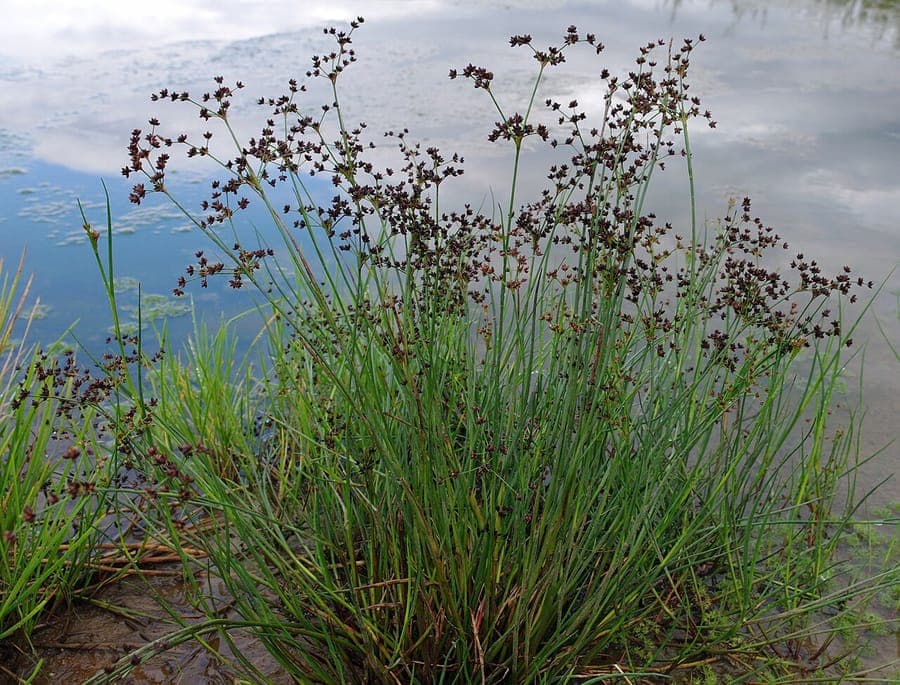
Joint-leaf rush (Juncus articulatus) is a graceful, widely distributed sedge thriving in moist habitats across temperate regions of the Northern Hemisphere. This versatile plant inhabits marshes, pond edges, and wet grasslands, making it ideal for gardeners seeking authentic wetland character. Named for its distinctively jointed leaf segments, it brings refined elegance to water gardens.
Appearance and Bloom
Rising 20-60 cm tall, Juncus articulatus forms open clumps of slender, grayish-green stems. The characteristic jointed leaves give the plant visual interest even when not flowering. Small brown flowers emerge May through August in delicate terminal clusters. Year-round aesthetic appeal results from this refined structure.
Ideal Location
Full sun encourages densest growth, though partial shade is tolerated. The plant performs best with good air movement, particularly beneficial near water features or windy microclimates. Water-adjacent placements enhance its natural appearance.
Soil Requirements
Wet to very moist soil is essential. pH tolerance is broad: 6.0-7.5 is ideal but slighlty beyond is acceptable. Clay and loam-rich soils work excellently. No drainage amendments needed - waterlogging is actually advantageous.
Watering
Maintain consistently moist conditions throughout the growing season. This species tolerates temporary inundation better than drought. Regular supplemental watering ensures vigorous growth even in drier summers.
Free design
Want to see Juncus articulatus: complete guide in your garden? Make a free design now.
Pruning
Minimal pruning is needed. Remove dead foliage in early spring. Retain outer leaf layers through winter for root insulation and structural protection.
Maintenance Calendar
May-August: Peak blooming period, maintain regular watering. September-October: Monitor seed development. November-April: Dormancy period, minimal intervention.
Winter Hardiness
Fully hardy to USDA zone 3. Tolerates normal winter conditions without special protection. In severe zone 2 conditions, some damage may occasionally occur but recovery is strong.
Companion Plants
Pair with other moisture-loving species like marsh marigold, sedges (Carex), and complementary rushes for authentic wetland scenes. Thrive in marsh and pond-edge recreations. Visit garden centers like OBI or Hornbach for water-garden plant material.
Final Thoughts
Juncus articulatus genuinely brings natural elegance to moist garden areas. Requiring minimal maintenance, it creates years of lush green texture and seasonal flowering interest. Perfect for those creating authentic wetland habitats in their gardens. Explore more water-garden combinations and moisture gardening concepts at gardenworld.app for design ideas, and discover practical wetland cultivation at gardenworld.app for expert guidance.
Want to see Juncus articulatus: complete guide in your garden? Make a free design now.
Upload a photo, pick a style, and get a photorealistic design with plant list in under a minute.
No credit card required


Similar plants
Juncus acutiflorus: complete guide
Juncus acutiflorus
Sharp-flower rush brings elegant grace to wetland gardens. Learn cultivation secrets, soil requirements, and companion planting for moist landscapes.
Juncus bufonius: complete guide
Juncus bufonius
Toad rush brings delicate refinement to wet margins and shallow water zones. Master cultivation of this charming miniature rush species.
Juncus alpinoarticulatus: complete guide
Juncus alpinoarticulatus
Alpine rush brings high-altitude charm to cool gardens. Master cultivation of this hardy rush for alpine landscapes and mountain regions.