
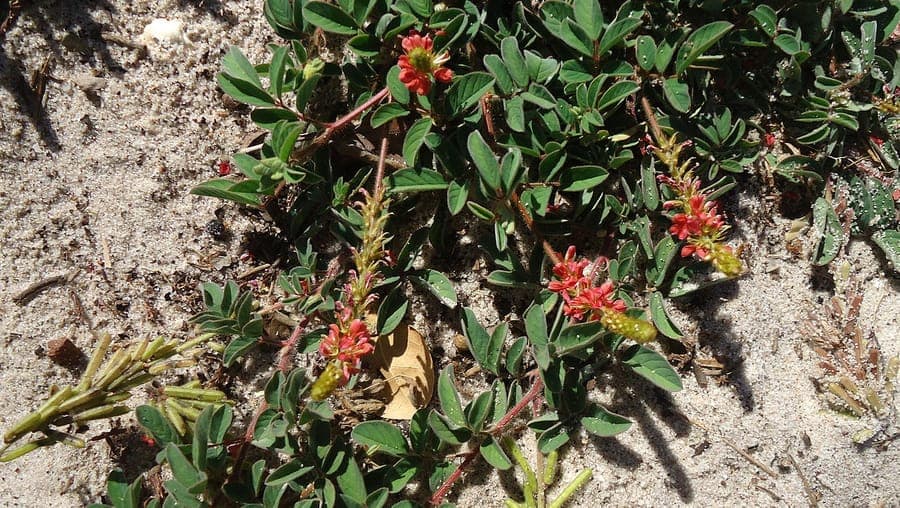
Alex Popovkin, Bahia, Brazil from Brazil / CC BY 2.0, via Wikimedia Commons
Hairy Indigo: complete guide
Indigofera hirsuta
Want to see Hairy Indigo: complete guide in your garden?
1 minute, no credit card
Indigofera hirsuta, commonly known as hairy indigo, is a captivating tropical shrub that has been cherished since its scientific description in 1753. Belonging to the Fabaceae family (the same family as peas and beans), this plant is renowned for its striking purple flowers and delicate, fine-textured foliage. The hairy indigo is a compact grower that thrives in warm climates and makes an excellent choice for both container and garden cultivation in suitable regions.
Overview
The hairy indigo is a medium-sized shrub that reaches moderate proportions in ideal conditions. Native to tropical and subtropical regions across Africa and Asia, this species demonstrates natural adaptation to warm, humid environments. In temperate climates, indoor cultivation or greenhouse growing is recommended to provide the consistent warmth this plant requires. The plant has been introduced to various regions worldwide and continues to be valued for both ornamental and traditional uses.
Appearance and Bloom
The hairy indigo derives its common name from the distinctive hairlike structures covering its foliage, giving the plant a soft, fuzzy appearance. The leaves are compound and delicately textured, creating an airy, elegant silhouette. The flowers are truly spectacular: purple-hued florets arrange themselves in dense racemes that create striking color displays. These blooms appear consistently throughout the growing season, typically from spring through autumn under optimal conditions. The flowers are highly attractive to butterflies and other pollinating insects, making this plant valuable for pollinator gardens.
Ideal Location
Hairy indigo demands full sunlight for optimal growth and flowering. Position the plant in a location receiving at least 6-8 hours of direct sunlight daily. In extremely hot climates, light afternoon shade during peak heat can be beneficial. The plant thrives in warmth: ideal temperatures range from 15-25 degrees Celsius year-round, with minimal frost tolerance. Ensure protection from cold drafts and temperature fluctuations.
Soil
Hairy indigo prefers well-draining, fertile soil with a pH between 5.0 and 8.0. Create a substrate combining standard potting mix with abundant organic matter such as compost. Excellent drainage is essential, so incorporate perlite or sand if your soil tends toward clay. While not particularly nutrient-demanding, this plant benefits from regular nutrient availability. A balanced, slow-release fertilizer supports steady growth without overstimulating foliage at the expense of flowers.
Free design
Want to see Hairy Indigo: complete guide in your garden? Make a free design now.
Watering
During the growing season, keep soil consistently moist but never waterlogged. Water regularly when the top inch of soil feels dry to the touch. Winter watering should be reduced substantially as growth slows. Ensure excess water drains freely to prevent root rot. Early morning watering minimizes foliar disease issues. In containers, check soil moisture regularly, as pot-grown plants dry out faster than in-ground specimens.
Pruning
Hairy indigo responds excellently to regular pruning, which promotes bushier, fuller growth. Conduct major pruning in early spring before new growth begins. Remove dead or damaged branches throughout the year. Pruning stimulates increased flowering by redirecting energy toward new flowering shoots. Light pruning between seasons maintains desired shape and encourages branching.
Maintenance Calendar
Spring: Begin feeding once temperatures consistently exceed 15 degrees. Scout for pests and diseases. Repot into larger containers if needed. Summer: Maintain consistent moisture and regular feeding. Deadhead spent flowers to encourage continued blooming. Fall: Reduce feeding as temperatures decline. Remove fallen leaves and plant debris. Winter: Minimize watering. Move containers indoors or provide frost protection in temperate regions.
Winter Hardiness
Hairy indigo is frost-sensitive and cannot tolerate temperatures below approximately 5 degrees Celsius. In temperate climates, container growing indoors during winter is essential. In warmer regions where temperatures seldom drop below 10 degrees, outdoor cultivation is possible, but always prepare for unexpected cold snaps with protective coverings. Plant in a location with morning sun exposure and afternoon protection from harsh winds.
Companion Plants
Hairy indigo pairs beautifully with other tropical plants and warm-climate shrubs. Combine with verbena, salvia, and other nectar-rich bloomers to attract butterflies. In containers, underplant with low-growing specimens such as coleus or caladium. Avoid companions requiring excessive water or dense shade. Consider pairing with drought-tolerant herbs for Mediterranean-style container arrangements.
Closing
Hairy indigo is an outstanding choice for gardeners seeking to add tropical character to their landscapes. With attention to temperature, moisture, and drainage, you'll enjoy this plant for many years. For British gardeners, check specialty nurseries for seeds or starter plants. On gardenworld.app, discover more inspiration for tropical garden design, and gardenworld.app offers ideas for integrating exotic plants into your front yard vision. With patience and proper care, your hairy indigo will flourish beautifully.
Want to see Hairy Indigo: complete guide in your garden? Make a free design now.
Upload a photo, pick a style, and get a photorealistic design with plant list in under a minute.
No credit card required


Similar plants
Tall Silky Lupine: complete guide
Lupinus elatus
Tall silky lupine is a fast-growing Californian perennial with silvery foliage and blue-purple flower spikes, ideal for a prairie-style garden.
Garfield Lupine: complete guide
Lupinus garfieldensis
The Garfield lupine is a rare, fast-growing American perennial for alkaline, dry grassland gardens, with striking blue flower spikes.
Lupinus elegans: complete guide
Lupinus elegans
Lupinus elegans, the elegant lupine, is a spectacular blooming plant from Mexico with blue flower spikes. Care, cultivation and garden use.