
Hectonichus / CC BY-SA 3.0, via Wikimedia Commons
Flax-Leaved Candytuft: Complete Guide
Iberis linifolia
Want to see Flax-Leaved Candytuft: Complete Guide in your garden?
1 minute, no credit card
Overview
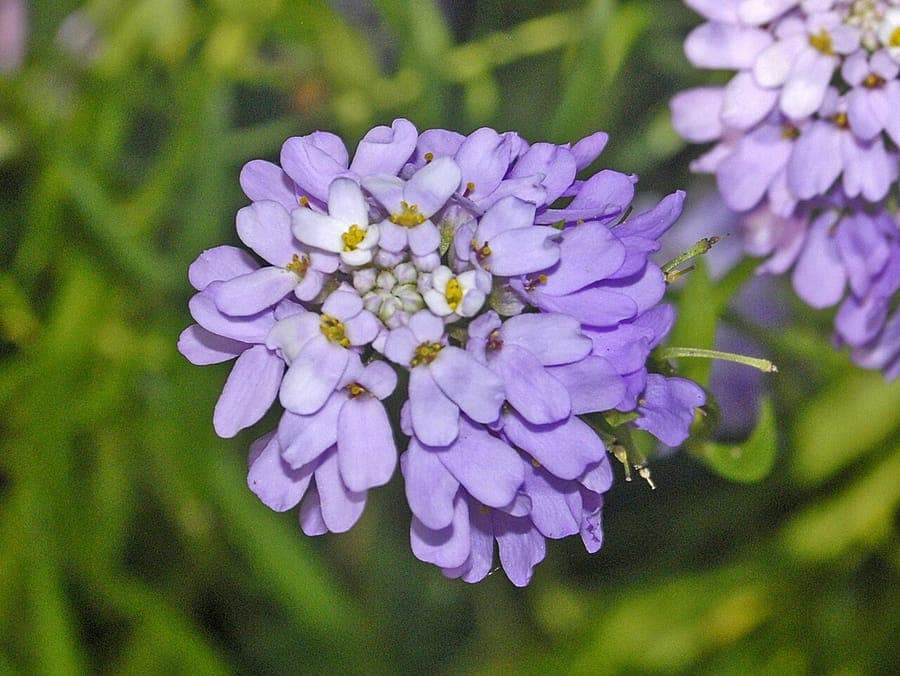
Iberis linifolia, also known as flax-leaved candytuft or fine-leaved candytuft, is a charming little Mediterranean plant that naturally occurs in France, Spain and parts of Slovenia. This rare flowering plant is rarely seen in British and northern European gardens, despite its excellent qualities as a low border plant and rock garden inhabitant. The plant is known for its delicate purple flowers that appear in compact clusters and spread a pleasant, light herbal fragrance.
This Iberis species is a true drought-lover with very minimal maintenance requirements. It thrives better in poor, well-draining soils and tolerates full sun without any complaint. For gardeners wanting to add rustic elegance and spontaneous flowering, Iberis linifolia is a perfect choice.
Appearance and Bloom Period
Iberis linifolia is a compact, bushy plant that usually grows 20 to 30 centimeters tall and spreads about the same in width. The stems are thin and finely branched, covered with very narrow, linear leaves characteristic of this species. The foliage is light to blue-green and remains compact throughout the year.
Flowers appear from August to October in rich purple shading. They are very small, only about 3 to 4 millimeters in diameter, but grow in dense, flat or slightly domed clusters of 2 to 3 centimeters across. These flower clusters are very numerous during the flowering period and give the plant a full, rich bloom. Each flower has four petals in the classic cross arrangement of Brassicaceae family members.
Seeds ripen in characteristic flat, heart-shaped seed pods that become visible by late autumn.
Ideal Location
Iberis linifolia thrives best in very sunny locations where it receives direct sunlight all day long. This is not a plant for shade - the more sun, the better. Even in very warm climates it tolerates full sun without problems. Plant it on south or west-facing slopes where it gets maximum warmth.
This plant appreciates open, windy locations where it performs better than sheltered positions. An airy, open growing environment encourages strong, compact growth. In rock gardens, raised beds and rocky slopes it grows excellently.
Avoid shaded corners, damp depressions and locations where water stagnates. This plant is no friend of wet feet.
Soil
Iberis linifolia prefers very lean, well-draining soil. Paradoxically, it grows better in poor soil than in nutrient-rich garden soil. A mixture of gravel, sand and some clay works perfectly. Add very little organic material, as this promotes excessive growth and less flowering.
A pH of 6.5 to 7.5 is ideal, although the plant is also tolerant of acidic soils. In containers use a mixture of 2 parts gravel, 1 part sand and 1 part bulb soil. Heavy clay soils should be thoroughly broken up and mixed with sand and gravel.
This plant thrives fantastically on rocky, lean soils where many other plants would die. That's actually the secret of its success.
Free design
Want to see Flax-Leaved Candytuft: Complete Guide in your garden? Make a free design now.
Watering
Iberis linifolia is very drought-tolerant and requires minimal watering. Only water if it's extremely dry, then water deeply but rarely. Once established, this plant can survive dry summers without artificial watering.
In container cultivation, water carefully after planting, then only when the soil feels significantly dry. Excess water is the most likely cause of death for this plant.
During rainy periods you don't need to do anything extra. In very dry climates some extra water during the growing season can help, but this is rarely necessary. Winter rains are usually sufficient.
Pruning
Iberis linifolia requires no regular pruning. Only remove wilted flowers after blooming and dead foliage. To keep the plant compact, you can gently trim the tips of shoots after flowering, which stimulates branching.
After a few years the plant may grow somewhat angular; in that case you can prune harder in early spring, forcing the plant to branch anew. However, this rarely happens; usually the plant remains elegantly compact.
Since the plant naturally grows very compact, further pruning is virtually never necessary.
Maintenance Calendar
January-March: Winter to early spring. Minimal watering. No pruning needed.
April-July: Spring to summer. Water carefully if very dry. Plant grows, but no flowering.
August-October: Flowering period. Enjoy purple blooms. Minimal water.
November-December: Autumn to winter. Let dry, prepare for winter dormancy.
Winter Hardiness
Iberis linifolia is reasonably winter-hardy and can tolerate temperatures down to about -10 to -12 degrees Celsius. This makes it suitable for temperate UK and northern European climates. The plant grows well in open fields, as long as it's in well-drained situations.
In very wet climates with lots of winter rain, drainage improvement can help via raised beds. The plant tolerates frost periods well as long as it's not in water for prolonged periods.
In very wet winters, winter protection in container cultivation can be beneficial. Most years it overwinters well without protection.
Companion Plants
Iberis linifolia combines well with other Mediterranean mountain plants and xeric crucifers. Plant it alongside other Iberis species for variety. Combine with sedums, sempervivums, saxifrages and other rocky dwarf plants.
Ornamental grasses like bluestem or fescue form a nice background. In formal gardens it can be used in strips along paths. In containers it works well with other drought-loving plants.
Avoid large, vigorous growers that would overshadow it.
Closing Thoughts
Iberis linifolia is an underrated plant that deserves much more attention. With its refined purple flowers, minimal maintenance requirements and impressive drought tolerance, it's a practical and elegant choice for xeric gardens and rocky borders. For gardeners wanting to discover something special that's unusual but reliable, this Mediterranean gem is an absolute must-try.
Available through specialized nurseries and possibly online plant suppliers in the UK and northern Europe. Gardenworld.app offers design ideas for integrating Mediterranean herbaceous plants into dry front yard scenarios. Gardenworld.app helps you create an elegant, low-maintenance xeric front yard.
Want to see Flax-Leaved Candytuft: Complete Guide in your garden? Make a free design now.
Upload a photo, pick a style, and get a photorealistic design with plant list in under a minute.
No credit card required


Similar plants
Brassica cretica: complete guide
Brassica cretica
Brassica cretica, the Cretan cabbage, grows wild on Aegean cliffs. Discover how to grow this drought-tolerant, yellow-flowered Mediterranean perennial.
Corsican cabbage: complete guide
Brassica insularis
Corsican cabbage is a rare Mediterranean rock cabbage with white flowers and blue-green leaves. Location, soil and winter protection.
Prostrate cabbage: complete guide
Brassica procumbens
Prostrate cabbage is a creeping North African cliff plant with yellow flowers. Discover location, soil type and winter protection.