
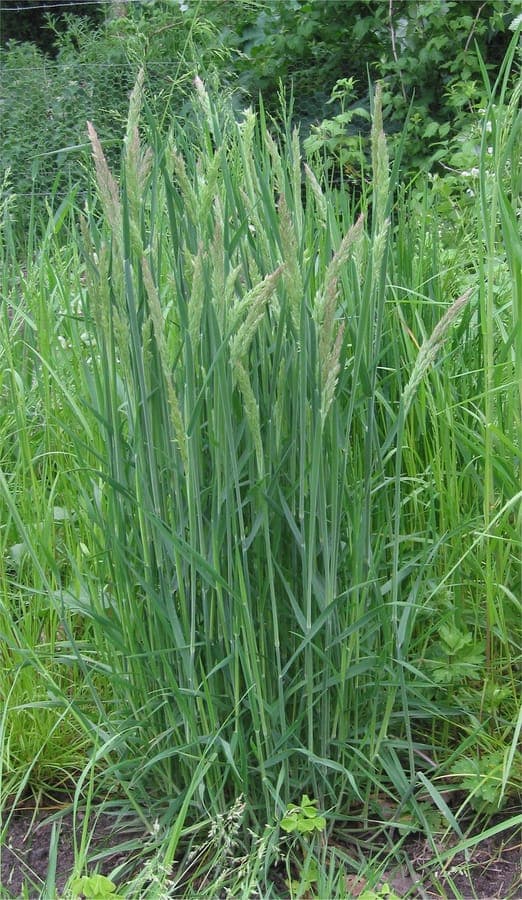
Rasbak / CC BY-SA 3.0, via Wikimedia Commons
Yorkshire-fog: complete guide
Holcus lanatus
Want to see Yorkshire-fog: complete guide in your garden?
1 minute, no credit card
Overview
Yorkshire-fog (Holcus lanatus) is a graceful, clump-forming grass native to much of Europe, including the UK, and widely found in meadows, roadsides, and damp grasslands. Despite its humble reputation, it's a valuable plant for gardeners seeking texture, movement, and low-input beauty. It's not flashy, but its soft grey-green leaves and hazy purple panicles add a delicate, romantic quality to naturalistic plantings. It thrives in USDA zones 4 to 8, making it suitable for most temperate gardens across the UK and northern Europe.
This perennial grass reaches 30–80 cm in height and spreads up to 40 cm wide. It grows best in full sun to light shade, with a light rating of 7 out of 10. While it tolerates some drought once established, it performs best in consistently moist, well-draining soils. Its growth habit is upright but slightly arching, giving it a relaxed, wind-swept appearance.
On gardenworld.app, you can design a planting scheme that highlights Yorkshire-fog's subtle charm, using it as a mid-layer grass in mixed borders or natural meadows. Its soft texture contrasts beautifully with bolder perennials and shrubs.
Appearance & bloom cycle
The foliage of Yorkshire-fog is its standout feature. The leaves are covered in fine, soft hairs, giving them a velvety, silvery-grey appearance. They feel soft to the touch-almost like lambswool-which is where the common name likely comes from. The leaves grow in loose tufts and can reach up to 30 cm long.
In late spring, starting in May, airy flower spikes emerge and rise above the foliage. These panicles are initially pinkish-purple, fading to a silvery grey by late summer. The bloom period runs from May through August, providing months of visual interest. Even after flowering, the dried inflorescences remain attractive through winter, adding movement and structure to the garden.
Ideal location
Yorkshire-fog prefers full sun to partial shade (at least 6 hours of light daily). It thrives in open, airy locations with good air circulation, which helps prevent fungal issues. Ideal spots include meadow-style gardens, woodland edges, or as a soft filler between shrubs and perennials.
Avoid deep shade or heavily compacted soils. It's a good candidate for rain gardens, pond margins, or low-lying areas that retain moisture. In formal gardens, it can feel out of place-save it for relaxed, cottage-style or prairie-inspired designs. When planning your layout, use gardenworld.app to visualize how it blends with neighbouring plants and contributes to seasonal flow.
Soil requirements
Holcus lanatus prefers moist, acidic to neutral soils with a pH between 4 and 7. It grows well in sandy loam, clay-loam, or soils rich in organic matter. Avoid highly alkaline or calcareous soils, as it struggles in high pH conditions.
The key is consistent moisture without waterlogging. If your soil is heavy clay, amend it with compost or leaf mould to improve drainage and aeration. For sandy soils, mix in well-rotted manure or compost to boost water retention. A thin mulch of organic material in spring helps maintain moisture and suppress weeds.
Free design
Want to see Yorkshire-fog: complete guide in your garden? Make a free design now.
Watering
During the first growing season, water regularly to help roots establish. Once mature, Yorkshire-fog is moderately drought-tolerant, but looks best with consistent moisture. In dry summers, water deeply once a week rather than frequent shallow sprinklings.
Avoid overhead watering if possible, especially in humid climates, to reduce the risk of fungal diseases. Drip irrigation or soaker hoses are ideal. Let the soil dry slightly between waterings, but never let it go bone dry for extended periods.
Pruning
Pruning isn't essential, but it improves appearance and encourages fresh growth. In late winter or early spring, cut back old foliage to about 10 cm above ground level. This removes tired, browned leaves and makes room for vibrant new growth.
Use sharp shears or hedge trimmers for larger clumps. Leave the cut material on the ground for a few days to let seeds disperse, or compost it. Avoid cutting too low, as this can damage the crown.
Maintenance calendar
January: Check for winter damage; prepare for spring cleanup. February: Cut back old growth to 10 cm. March: Apply a light layer of compost around the base. April: Watch for new shoots; increase watering as temperatures rise. May: Blooms begin; monitor soil moisture. June: Peak flowering; ensure consistent moisture. July: Continue flowering; watch for pests or disease. August: Seed heads form; reduce watering gradually. September: Allow plant to prepare for dormancy. October: Stop fertilizing; leave foliage for winter interest. November: Let plant stand; provides habitat. December: Minimal care; avoid disturbance.
Winter hardiness
Yorkshire-fog is hardy in USDA zones 4–8. It tolerates winter temperatures down to -34°C and will remain semi-evergreen in milder regions. Foliage may turn brown in harsh winters, but new growth emerges reliably in spring. Leaving it standing over winter adds texture and supports overwintering insects.
Companion plants
Pair Yorkshire-fog with plants that enjoy similar conditions: moist soil and full sun to light shade. Good companions include Echinacea purpurea, Stachys byzantina, Carex comans, and Molinia caerulea. Its soft texture contrasts well with spiky leaves of Iris or bold blooms of Rudbeckia.
Avoid aggressive spreaders like mint or bindweed. It works especially well in naturalistic plantings with drifts of wildflowers and grasses. In mixed borders, use it as a softening element around taller shrubs.
Closing
Yorkshire-fog may not grab attention like a bright perennial, but it earns its place through resilience, texture, and quiet beauty. It's ideal for gardeners who value natural rhythms over forced perfection. Once established, it asks little in return-just space to sway in the breeze.
Available at UK garden centres in spring, often sold as 'ornamental grass' or by its botanical name. Look for it at independent nurseries or online retailers. When designing with it, consider balance: let it drift among bolder plants without letting it dominate. On gardenworld.app, explore planting plans that integrate Holcus lanatus for year-round visual flow and ecological benefit.
Want to see Yorkshire-fog: complete guide in your garden? Make a free design now.
Upload a photo, pick a style, and get a photorealistic design with plant list in under a minute.
No credit card required


Similar plants
Sporobolus pungens: complete guide
Sporobolus pungens
Sporobolus pungens is a stoloniferous Mediterranean coastal grass with outstanding salt and drought tolerance, perfect for seaside and dry gardens.
Mediterranean aegilops: complete guide
Aegilops biuncialis
Everything about Aegilops biuncialis, a Mediterranean annual grass with ornamental spikes and outstanding drought tolerance for dry gardens.
Silver bluestem: complete guide
Bothriochloa saccharoides
Full guide to Bothriochloa saccharoides (silver bluestem): site, soil, watering, winter hardiness, pruning, and garden companions.