
Rleo4Guido / CC BY-SA 4.0, via Wikimedia Commons
Indian-hemp: complete guide
Hibiscus cannabinus
Want to see Indian-hemp: complete guide in your garden?
1 minute, no credit card
Overview
Indian-hemp (Hibiscus cannabinus) is a striking annual that brings a bold, tropical flair to temperate gardens. Despite its name, it has no relation to cannabis and is entirely non-psychoactive. Native to parts of central and southern Africa - including Angola, Congo, and Chad - this member of the Malvaceae family thrives in hot, sunny conditions. In the UK and northern Europe, it's grown as a seasonal plant, reaching heights of 3 to 4 meters in a single growing season. It's perfect for creating instant height, drama, and structure in borders or containers. Because it dies back after the first frost, it's treated as an annual in USDA zones 8 and below.
Appearance & bloom cycle
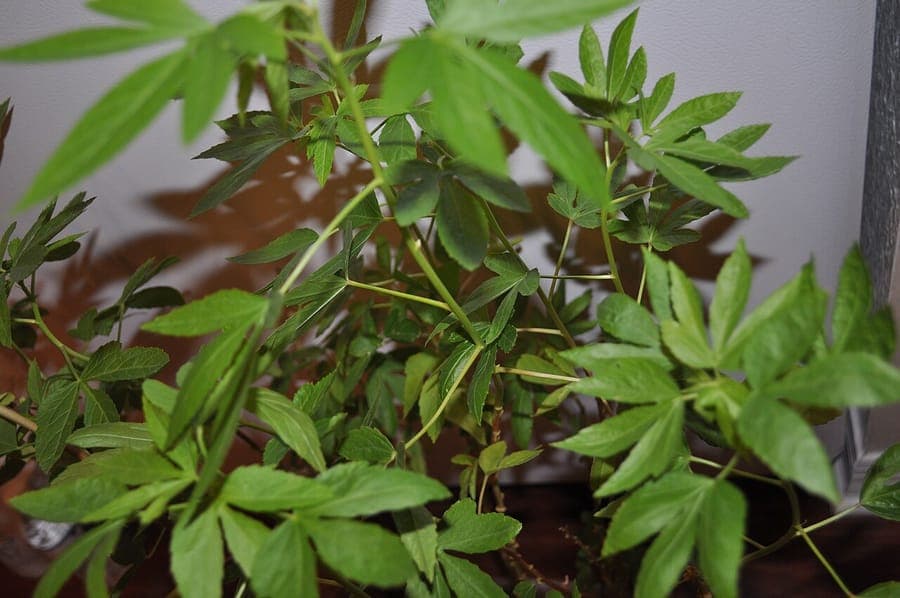
Indian-hemp features upright, fibrous stems with deeply lobed, palmate leaves that can span 15–20 cm across. The foliage is mid- to dark green, slightly rough, and arranged alternately along the stem. From late July through September, large, hibiscus-like flowers appear at the leaf axils. Each bloom is 8–12 cm wide, typically pale pink with a deep maroon throat at the center. The flowers open in the morning and often close by late afternoon, lasting only a single day. However, the plant produces new flowers continuously, ensuring a long display. Seed pods form in autumn and turn brown when mature, containing small, kidney-shaped seeds.
Ideal location
Plant Indian-hemp in full sun - at least 6 to 8 hours of direct sunlight daily - to encourage strong stems and abundant flowering. Choose a sheltered spot if you're in a windy area, as tall stems can snap under pressure. Use it as a backdrop in mixed borders or grow it in large containers (minimum 40 cm diameter) on patios. On gardenworld.app, you can design a sun-drenched layout that highlights Indian-hemp's vertical presence and complements it with low-growing perennials. Avoid overcrowding, giving each plant 60–80 cm of space to breathe and develop.
Soil requirements
Indian-hemp prefers fertile, well-drained soil with a pH between 5.5 and 7.0. Heavy clay soils should be amended with compost or coarse sand to improve drainage. Before planting, work in well-rotted manure or compost to boost nutrient content. Avoid waterlogged conditions, as the roots are prone to rot. In containers, use a quality multipurpose compost with added perlite or grit for better aeration. A 5 cm layer of organic mulch helps retain moisture and suppress weeds.
Free design
Want to see Indian-hemp: complete guide in your garden? Make a free design now.
Watering
Young plants need regular watering to establish strong roots. Keep the soil consistently moist but not soggy. Once established (from June onward), Indian-hemp develops a deep root system but still benefits from deep watering during dry spells. In hot summers, water 2–3 times per week, especially in containers. Rainwater is preferred, as tap water with high lime content can affect growth over time. Monitor pots closely in heatwaves - they dry out fast.
Pruning
No formal pruning is needed, but pinching the tips of young plants (15–25 cm tall) in early summer encourages bushier growth and more flowering stems. Remove any damaged or yellowing leaves with clean shears. If stems become too tall and unstable, provide support with bamboo canes. Avoid heavy cutting late in the season, as this may delay flowering.
Maintenance calendar
- March–April: Sow seeds indoors at 20–25°C. Use seed compost and keep moist.
- May: Harden off seedlings and plant out after last frost. Space 60–80 cm apart.
- June–July: Feed every two weeks with liquid general-purpose fertiliser. Water deeply during dry periods.
- August–September: Flowers peak. Watch for aphids or spider mites; treat early if needed.
- October: After frost, cut down dead stems. Collect mature brown seed pods for next year.
Winter hardiness
Indian-hemp is not frost-tolerant. It completes its life cycle in one season and dies after the first hard frost. It's not hardy below USDA zone 9. To save seeds, harvest dry pods in autumn, clean the seeds, and store in a cool, dry place in paper envelopes. Label with the year. On gardenworld.app, you can set seasonal reminders to help track sowing and planting dates for reliable results year after year.
Companion plants
Pair Indian-hemp with sun-loving, drought-tolerant perennials like Echinacea, Rudbeckia, or ornamental grasses such as Pennisetum. Use low-growers like lavender or sage at the base to contrast texture and colour. Avoid invasive root competitors like bamboo. In pots, combine with trailing plants like ivy or Sedum to soften edges and add interest. Avoid overcrowding - give each plant room to shine.
Closing
Indian-hemp is a showstopper for gardeners wanting instant impact without long-term commitment. Its rapid growth, sculptural form, and tropical blooms make it ideal for modern, low-maintenance designs. Start from seed indoors in spring, and transplant after frost danger passes. You'll find seeds and starter plants at garden centres like Wyevale, Dobbies, or local independents in late spring. With full sun, good soil, and consistent watering, it'll reward you with months of dramatic floral display. Whether used as a focal point or part of a bold planting scheme, Indian-hemp delivers presence and flair.
Want to see Indian-hemp: complete guide in your garden? Make a free design now.
Upload a photo, pick a style, and get a photorealistic design with plant list in under a minute.
No credit card required


Similar plants
Crimean linden: complete guide
Tilia × euchlora
Crimean linden is an elegant, fast-growing shade tree ideal for large gardens. Discover cultivars, spacing, maintenance tips and winter hardiness.
California flannelbush: complete guide
Fremontodendron californicum
Everything about California flannelbush (Fremontodendron californicum): sunny placement, drainage, pruning and care for this spectacular yellow-flowering shrub.
Hairy rose mallow: complete guide
Hibiscus moscheutos subsp. lasiocarpos
Full growing guide for hairy rose mallow (Hibiscus moscheutos subsp. lasiocarpos): location, soil, watering, winter hardiness and garden design tips.