
Michael Becker / CC BY-SA 3.0, via Wikimedia Commons
Herniary breastwort: complete guide
Herniaria glabra
Want to see Herniary breastwort: complete guide in your garden?
1 minute, no credit card
Overview
Herniaria glabra, commonly known as Herniary breastwort, is a quietly effective herbaceous perennial that deserves more attention in the average garden. Native across much of Europe and parts of Asia, this unassuming member of the Caryophyllaceae family thrives in conditions where many plants struggle. It's not flashy, but it's tough, persistent, and incredibly useful.
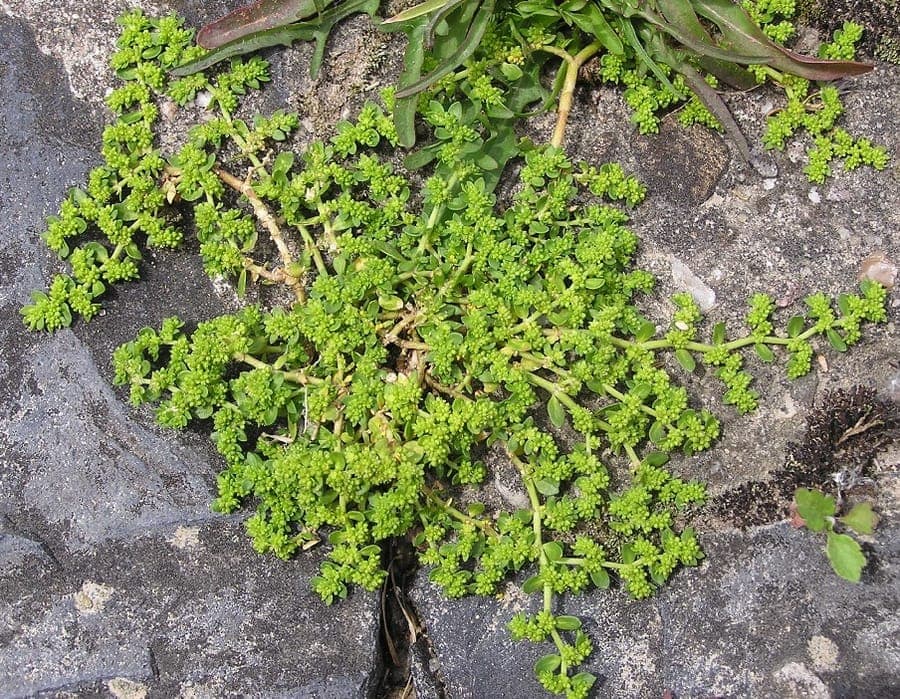
Growing no taller than 5 cm, Herniaria glabra forms a dense, moss-like carpet through creeping stems that root at the nodes. It's perfect for softening hard landscaping – think between flagstones, along gravel paths, or tucked into rock crevices. If you're designing a low-water or wildlife-friendly garden, this plant should be on your shortlist. On gardenworld.app, you can build a custom garden layout that highlights its subtle texture and spreading habit.
Appearance & bloom cycle
The foliage is composed of tiny, oval leaves, about 5–8 mm long, arranged in tight pairs along slender green stems. The overall effect is soft, velvety, and evergreen in mild winters. From May through September, tiny green flowers appear in the leaf axils. They lack petals and aren't showy, but they do attract small pollinators like hoverflies and parasitic wasps, contributing to natural pest control.
There's no dramatic floral display, but that's not the point. Herniaria glabra offers quiet consistency. It stays green, stays low, and keeps spreading without demanding attention. Its bloom period covers the core growing months, making it a reliable presence from late spring to early autumn.
Ideal location
Full sun is best. This plant thrives with at least 6 hours of direct sunlight daily. It tolerates light shade, especially in hotter climates, but growth becomes sparse and leggy in deep shade.
Ideal spots include rock gardens, gaps between pavers, the edges of raised beds, or as a filler under sparse shrubs. Because it's so low-growing, it won't compete with taller plants but will help suppress weeds and reduce soil erosion. Avoid damp, shady corners – this is where Herniaria glabra fails.
It's also excellent for green roofs or container edges, where its trailing habit can soften the transition between pot and ground.
Soil requirements
Herniaria glabra prefers poor, well-drained soils. It does not need rich compost or fertiliser. In fact, too much fertility can lead to weak, floppy growth. A sandy or gravelly soil with a pH between 6.0 and 7.5 is ideal.
The key is drainage. It cannot tolerate waterlogged conditions. If your soil is heavy clay, amend it with grit or sand, or plant in a raised bed. In rock gardens or scree beds, it often performs best with no soil improvement at all.
This plant is a pioneer species in the wild, often colonising disturbed, infertile ground – so mimic those conditions in your garden.
Free design
Want to see Herniary breastwort: complete guide in your garden? Make a free design now.
Watering
Once established, Herniaria glabra is highly drought-tolerant. Young plants in their first season need moderate, weekly watering – about 5–10 mm per week, depending on rainfall. After that, supplemental watering is rarely needed, even during dry spells.
When you do water, apply it directly to the root zone. Avoid wetting the foliage, as this can promote fungal issues in humid conditions. Let the soil dry out completely between waterings. Overwatering is the most common cause of failure with this plant.
Pruning
Pruning isn't necessary, but a light trim in early spring (March–April) can rejuvenate older mats. Use sharp scissors or shears to cut back any brown or sparse growth by about a third. This encourages fresh, dense new growth and improves air circulation.
Don't worry about being precise – the plant responds well to rough trimming. The cuttings can be left in place; they often root where they touch the soil, helping the patch expand.
Maintenance calendar
- Jan: Check for winter damage, ensure soil isn't compacted
- Feb: Remove debris, inspect for pests
- Mar: Light pruning, prepare for new growth
- Apr: Plant or divide clumps, space 20 cm apart
- May: Monitor young plants for water needs
- Jun: Bloom begins, minimal care required
- Jul: Watch for drought stress, no feeding
- Aug: Observe pollinator activity, no intervention needed
- Sep: Flowers fade naturally, no deadheading
- Oct: Leave old growth for winter protection
- Nov: Avoid mulching heavily – keep crown dry
- Dec: Check for frost heave in containers, protect if needed
On gardenworld.app, you can generate a seasonal care plan tailored to your local climate and planting zone.
Winter hardiness
Herniaria glabra is hardy in USDA zones 4–8. It survives cold winters with minimal protection. In milder areas, it remains semi-evergreen. In colder zones, the top growth may die back, but the plant usually regrows from the base in spring.
The real threat isn't cold – it's wet soil in winter. Ensure good drainage to prevent root rot. In containers, consider moving them to a sheltered spot or elevating them to improve drainage.
Companion plants
Pair Herniaria glabra with plants that contrast in height and texture:
- Thymus serpyllum – for fragrance and pink summer blooms
- Sedum 'Dragon's Blood' – for autumn colour
- Dianthus deltoides – for bright pink flowers
- Sempervivum – for architectural rosettes
Avoid aggressive spreaders like ivy or mint, which will quickly overwhelm it. Also steer clear of plants that create dense shade.
Closing
Herniaria glabra isn't a plant for show-offs. It's for gardeners who value function, resilience, and quiet beauty. It solves problems – filling gaps, stabilising soil, reducing maintenance – without drawing attention to itself.
If you've got a sunny, dry spot that other plants ignore, this might be your answer. It's available at garden centres across the UK and North America, often near alpine or rock garden sections. Look for the botanical name to avoid confusion with similar-looking mosses or sedums.
With minimal care and the right conditions, Herniaria glabra becomes a dependable, unobtrusive ally in your garden. Let it do its quiet work – and appreciate the difference it makes.
Want to see Herniary breastwort: complete guide in your garden? Make a free design now.
Upload a photo, pick a style, and get a photorealistic design with plant list in under a minute.
No credit card required


Similar plants
Dianthus karami: complete guide
Dianthus karami
Dianthus karami is a rare Lebanese mountain pink with fringed pink blooms on limestone cliffs, ideal for rock gardens and troughs.
Sicilian pink: complete guide
Dianthus siculus
Discover Dianthus siculus, an elegant purple bloomer from Sicily. Cultivation, June-September flowering and garden combinations.
Alpine mouse-ear chickweed: complete guide
Cerastium pedunculatum
Full growing guide for Cerastium pedunculatum: ideal location, soil, watering, winter hardiness, and companion plants for rock gardens.