
Wasp32 / CC BY 4.0, via Wikimedia Commons
Glyceria canadensis: complete guide
Glyceria canadensis
Want to see Glyceria canadensis: complete guide in your garden?
1 minute, no credit card
Overview
Glyceria canadensis, commonly known as rattlesnake grass or Canada mannagrass, is an elegant water-loving grass originating from North America. This fine grass species was first scientifically described in 1830 and forms a valuable component of wetland ecosystems from Canada to the eastern United States.
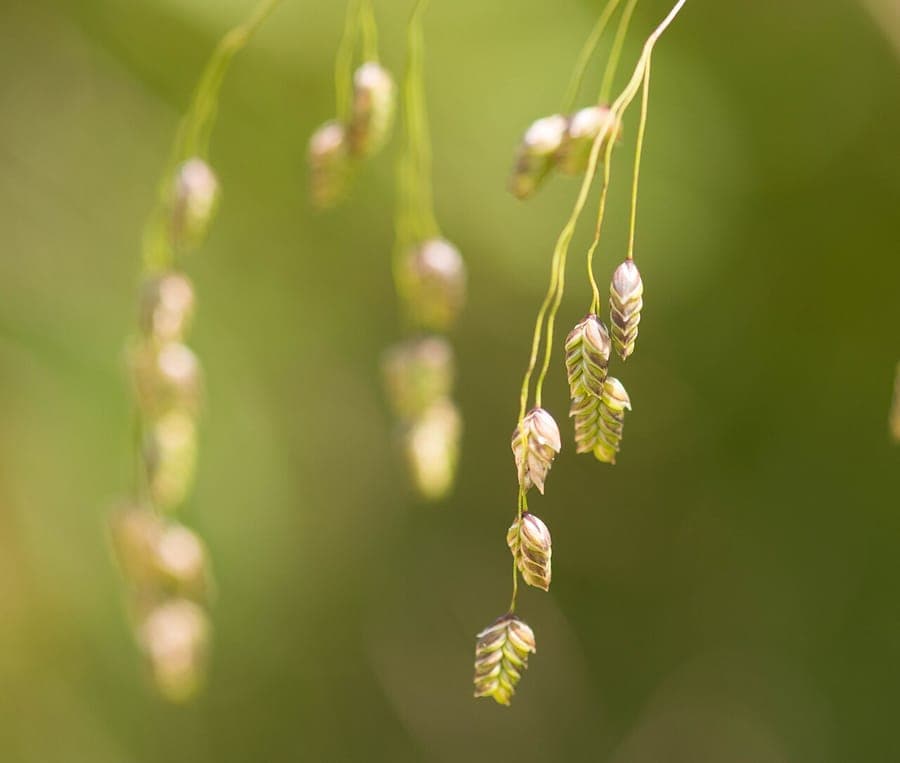
The common name "rattlesnake grass" refers to the characteristic rattling of mature seeds in the wind. This interesting sound effect makes the plant visually appealing and sonically intriguing.
Appearance and Bloom
Glyceria canadensis grows to approximately 60-100 centimeters tall and forms dense clumps of glossy foliage. The leaves are finely textured, approximately 6 millimeters wide, and create a smooth, elegant appearance. The grass blooms from June to August with upright panicles initially greenish, later turning brown.
The flower heads are open and airy, consisting of small spikelets clustered in loosely hanging panicles. This structure produces the characteristic rattling when they mature.
The foliage remains green throughout the season, only turning brown late in the year.
Ideal Location
Glyceria canadensis grows best in wet to very wet environments - this is a committed water-lover. It thrives excellently in:
- Water margins and wetlands
- Ditches and drainage areas
- Wet meadows
- Pond edges (to 30 centimeters deep in water)
- Marsh and sedge gardens
- Areas with seasonal water inundation
The plant also tolerates rainy climates and moisture-rich soils where other grasses would fail.
Soil
This grass is not fussy about soil type and grows well in nearly all soils as long as they remain consistently moist. Both chalky and acidic soils are well tolerated.
Optimal soil characteristics:
- pH value: 5.0-8.5 (very tolerant)
- Consistently moist to wet
- Organic material promotes growth
- Tolerates muddy or soggy ground well
The plant feels at home in soils where many other plants cannot survive.
Watering
Glyceria canadensis is unique in its water needs - the more water, the better. This is a plant that must never dry out.
Watering schedule:
- Normal: daily watering or place in shallow water containers
- In ponds: plant in shallow zones or in aquatic planting baskets
- Dry periods: artificial watering to prevent drought
- No drainage needed; waterlogging is actually beneficial
In dry years the plant may perform weakly. Ideal is a permanently wet location such as near a pond or in a watercourse.
Free design
Want to see Glyceria canadensis: complete guide in your garden? Make a free design now.
Pruning
Glyceria canadensis requires minimal pruning thanks to its natural appearance. Still, a few tips prove helpful:
- Late winter/early spring: remove old stems before new foliage appears
- Removed dead tops easily with a rake
- No formal pruning needed
- Seeds can remain for bird feeding
- Plant does not spread aggressively
The plant maintains its natural form without support.
Maintenance Calendar
January: Plant is dormant; check water level February: Prepare for growth; prune dead parts March: First growth appears; maintain water level April: Rapid growth; water regularly May: Full foliage growth; plant stretches out June: Bloom begins; panicles appear July: Full bloom; interesting texture August: Bloom ends; seeds ripen September: Seeds disperse; leave for birds October: Foliage begins to brown November: Aging; old parts die back December: Rest; minimal maintenance
Frost Hardiness
Glyceria canadensis is moderately frost-hardy and tolerates temperatures down to approximately -10 to -15 degrees Celsius. In the Netherlands and Belgium, the plant can overwinter, though protection may be beneficial in extremely cold winters.
The roots usually survive frost periods better than above-ground parts. After severe frosts, regrowth from roots may occur in spring.
Companion Plants
Glyceria canadensis combines well with:
- Other water grasses: Phragmites, Glyceria fluitans
- Aquatic plants: Iris laevigata, Pontederia cordata
- Wetland sedges: Carex species
- Flowering aquatics: Lythrum salicaria, Eupatorium
- Sedges with contrasting color: Carex elata 'Bowles' Golden'
The elegant panicles contrast beautifully with stiff foliage forms.
Closing Remarks
Glyceria canadensis is an unusual choice that transforms wet and muddy spots into interesting garden elements. This grass combines practical utility with aesthetic beauty. If you're undertaking a marsh, pond, or watercourse project, this grass is absolutely worth considering.
Available at specialized nurseries and garden centers, where aquatic plant selections are available.
Visitors to gardenworld.app can also include water-loving plants in their designs.
Want to see Glyceria canadensis: complete guide in your garden? Make a free design now.
Upload a photo, pick a style, and get a photorealistic design with plant list in under a minute.
No credit card required


Similar plants
Sporobolus pungens: complete guide
Sporobolus pungens
Sporobolus pungens is a stoloniferous Mediterranean coastal grass with outstanding salt and drought tolerance, perfect for seaside and dry gardens.
Mediterranean aegilops: complete guide
Aegilops biuncialis
Everything about Aegilops biuncialis, a Mediterranean annual grass with ornamental spikes and outstanding drought tolerance for dry gardens.
Silver bluestem: complete guide
Bothriochloa saccharoides
Full guide to Bothriochloa saccharoides (silver bluestem): site, soil, watering, winter hardiness, pruning, and garden companions.