
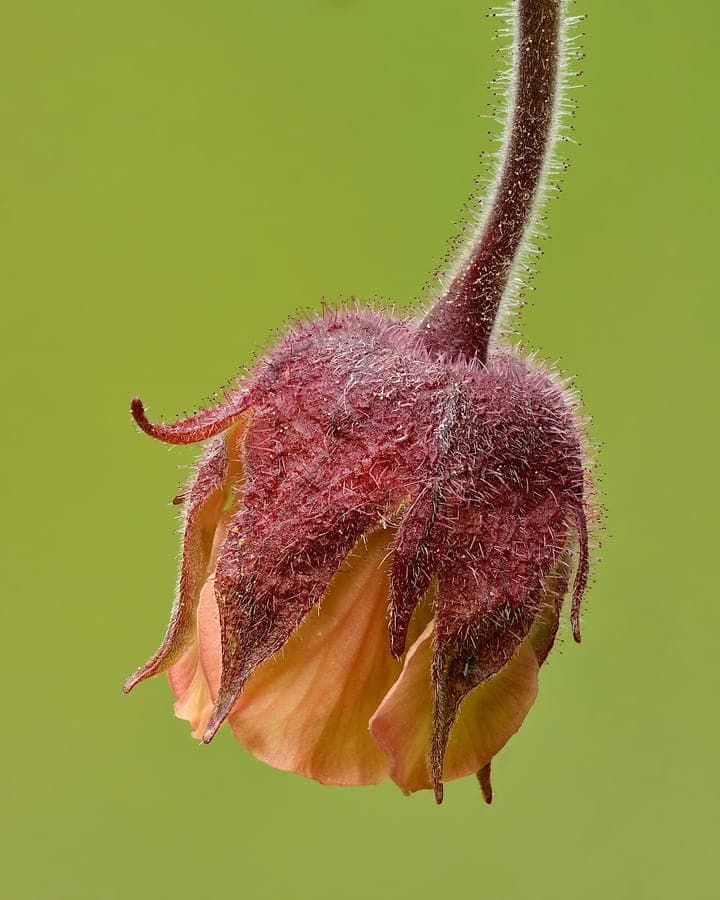
Ivar Leidus / CC BY-SA 4.0, via Wikimedia Commons
Water avens: complete guide
Geum rivale
Want to see Water avens: complete guide in your garden?
1 minute, no credit card
Overview
Water avens (Geum rivale) is a charming, clump-forming perennial that thrives in cool, moist spots where many other plants struggle. Native to damp woodlands and stream banks across Europe and parts of Canada, this forb grows 50 to 80 cm tall and brings a graceful presence to shaded garden corners. It's not flashy, but its subtle beauty and hardy nature make it a reliable choice for naturalistic plantings.
The plant spreads slowly through seed dispersal, thanks to its hooked seeds that catch on fur or clothing. It's not invasive, but will occasionally pop up where you didn't expect - a pleasant surprise, not a problem. On gardenworld.app you can design a planting scheme that accounts for this gentle spread, balancing Geum rivale with companion plants that fill space without overcrowding.
Water avens is fully winter hardy in USDA zones 4–8, meaning it tolerates cold winters down to -34°C. It dies back in winter but returns with fresh foliage in spring. Once established, it requires little intervention - just consistent moisture and a bit of seasonal cleanup.
Appearance & bloom cycle
From May through July, water avens produces nodding, bell-shaped flowers in deep purple or reddish-brown hues. Each bloom hangs delicately from slender, reddish stems, swaying gently in the breeze. The flowers have five petals and a cluster of golden stamens in the center, giving them a modest, old-fashioned charm.
The foliage is primarily basal, with deeply lobed, downy green leaves that form a low rosette. Upper leaves are smaller and alternate along the stem. The soft, textured foliage remains attractive all season, even after blooming ends. The plant grows upright but leans slightly under the weight of its flowers, creating a relaxed, natural look.
Seed heads develop in late summer, sporting long, feathery tails that help them catch the wind - or a passing animal. These add ornamental interest and provide food for small birds.
Ideal location
Water avens performs best in light level 5 - partial shade. Think of the edge of a deciduous wood, a north-facing slope, or under light-canopy trees like birch or alder. It can tolerate full sun only if the soil remains consistently moist, but in hot, dry climates, afternoon sun will stress the plant.
Avoid deep shade, where growth becomes leggy and flowering drops off. A spot with morning sun and afternoon shade works best. In urban gardens, it fits well in narrow beds between buildings or beside damp north walls. Garden centres often carry young plants in spring, especially those specializing in native or woodland species.
Soil requirements
The soil should be moist, well-draining, and rich in organic matter. The ideal pH range is 4.8 to 7 - slightly acidic to neutral. Avoid highly alkaline soils, as water avens will struggle to absorb nutrients. Amend poor soils with well-rotted leaf mould or compost to improve moisture retention and structure.
On heavy clay, raise the bed slightly with sand and compost to prevent waterlogging in winter. In sandy soils, mulch heavily with composted bark or leaf litter to retain moisture and nutrients. A 5–8 cm layer of organic mulch applied in spring works wonders.
Free design
Want to see Water avens: complete guide in your garden? Make a free design now.
Watering
Keep the soil consistently moist, especially during dry spells in May and June. Water deeply once a week if rainfall is low. Use rainwater when possible - Geum rivale dislikes the chlorine and lime in tap water, which can burn the roots over time.
Drought stress shows quickly: leaves wilt, flowering stops, and the plant may go dormant early. In hot summers, increase watering frequency. Mulching helps reduce evaporation and keeps the roots cool. On gardenworld.app, you can set up a seasonal watering schedule tailored to your local climate and soil type, ensuring your water avens stays healthy.
Pruning
Pruning is minimal. After flowering, cut back spent stems to just above a leaf node to encourage tidiness and possibly a second flush of blooms. Remove any damaged or yellowing leaves as needed, but don't cut the basal rosette - it's the plant's engine for next year's growth.
In late autumn or early winter, trim back remaining foliage to about 5 cm above ground. This prevents rot and tidies the bed for winter. Leave some seed heads if you want to feed birds or allow limited self-seeding.
Maintenance calendar
- January: Check for frost heave; avoid working in frozen soil.
- February: Light cleanup; remove loose debris.
- March: Apply a thin layer of compost around the base.
- April: Watch for slug damage; water if dry.
- May: Bloom begins; ensure consistent moisture.
- June: Peak flowering; deadhead to extend bloom.
- July: Final blooms fade; continue watering.
- August: Reduce watering; let plant rest.
- September: Stop deadheading; allow seed formation.
- October: Cut back foliage; apply mulch.
- November: Protect crown with leaf litter or straw.
- December: Minimal care; plant is dormant.
Winter hardiness
Hardy to USDA zone 4, water avens survives harsh winters with little help. The key is well-drained soil - wet, frozen ground leads to root rot. In areas with heavy snow cover, the plant is naturally insulated. In regions with fluctuating freeze-thaw cycles, a light mulch of leaves or compost helps stabilize soil temperature.
Avoid piling mulch directly against the crown, as this can cause rot. Instead, apply it around the base, leaving a small gap. In exposed urban sites, consider planting near evergreen shrubs for wind protection.
Companion plants
Pair water avens with other moisture-loving perennials like Caltha palustris, Carex vulgata, or Trollius × cultorum. Ferns such as Dryopteris filix-mas add texture and contrast. For spring interest, plant alongside Pulmonaria or Primula denticulata.
In mixed borders, combine with blue-flowering plants like Campanula latifolia or purple loosestrife (Lythrum salicaria) for visual harmony. Space plants 40–50 cm apart to allow for air circulation and prevent fungal issues. The nodding flowers work well in drifts or naturalized groups.
Closing
Water avens is a quiet achiever - not loud, but deeply satisfying. It brings movement and subtle color to damp corners, asking little in return. Once settled, it becomes a dependable part of your garden's rhythm.
If you're designing a shade garden or restoring a wild area, use gardenworld.app to visualize how Geum rivale fits into your space. Upload your garden layout, drag in the plant, and see how it pairs with others. You'll gain confidence in creating a balanced, living design that thrives year after year.
Want to see Water avens: complete guide in your garden? Make a free design now.
Upload a photo, pick a style, and get a photorealistic design with plant list in under a minute.
No credit card required


Similar plants
Siberian crab apple: complete guide
Malus x robusta
Complete guide to the Siberian crab apple (Malus x robusta): location, soil, pruning, winter hardiness and the best companion plants for your garden.
Chinese flowering crabapple (Malus x spectabilis): complete guide
Malus x spectabilis
Meet the Chinese flowering crabapple (Malus x spectabilis): a classic spring bloomer with carmine buds and pink blossom.
Potentilla crassinervia: complete guide
Potentilla crassinervia
Potentilla crassinervia, the Corsican cinquefoil, grows wild on Corsica and Sardinia's peaks. Discover how to grow this hardy alpine rock garden gem.