
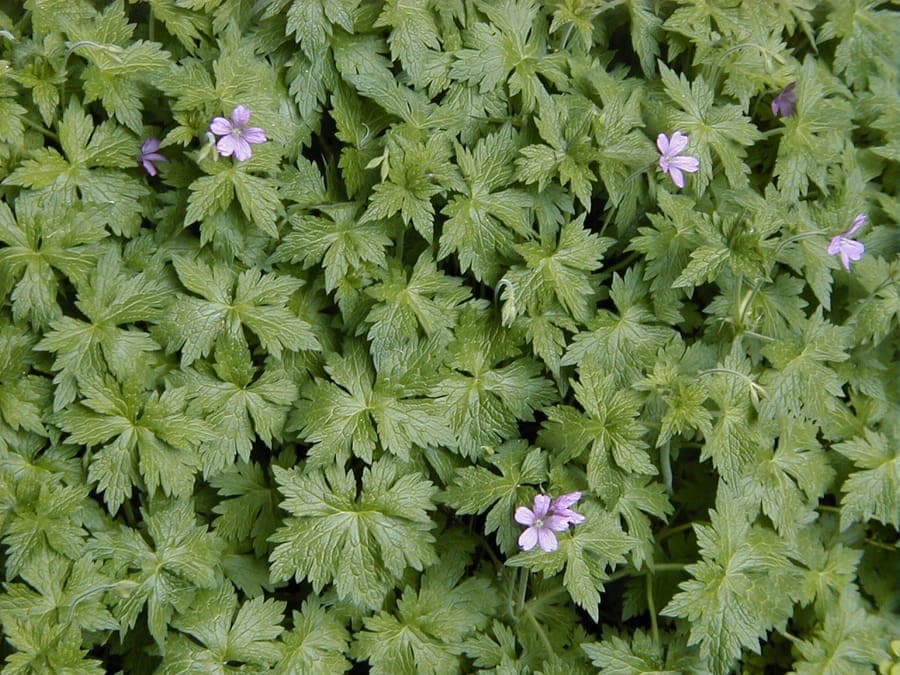
A. Barra / CC BY 3.0, via Wikimedia Commons
French crane's-bill: complete guide
Geranium endressii
Want to see French crane's-bill: complete guide in your garden?
1 minute, no credit card
Overview
Geranium endressii, commonly known as French crane's-bill, is a standout perennial that reliably returns each spring and delivers a vibrant summer display. Despite the common confusion with pelargoniums sold as 'geraniums' in garden centres, this true crane's-bill is fully hardy, easy to care for, and native to France. It thrives in temperate zones across the UK and northern Europe, growing well in USDA zones 5 to 8. Reaching 30–45 cm in height and spreading up to 50 cm wide, it's ideal for borders, cottage gardens, and even green roofs. Its clump-forming habit and long blooming season make it a valuable asset to any garden design.
Appearance & bloom cycle
French crane's-bill features deeply lobed, palmate leaves that emerge fresh green in spring and mature to a rich, dark green. From June to July, it produces saucer-shaped flowers in soft purple, each about 3 cm across, with darker veining and a delicate, almost translucent quality. The bloom lasts four to six weeks, and with a quick trim after flowering, you can often encourage a second, lighter flush in late summer. The foliage remains attractive well into autumn, turning slightly bronze before dying back. It re-emerges cleanly each spring, free from major pests or diseases.
Ideal location
This geranium thrives in partial shade to light shade, scoring about a 6 out of 10 on the light scale. A spot under light-canopy trees, along a north-facing wall, or at the front of a mixed border works perfectly. While it can tolerate full sun, especially in cooler climates or moist soils, too much direct exposure may cause leaf scorch and reduce flowering. Deep shade, on the other hand, leads to leggy growth and sparse blooms. On gardenworld.app, you can create a custom border plan that matches the light needs of French crane's-bill with complementary plants.
Soil requirements
French crane's-bill prefers well-drained, neutral to slightly alkaline soil with a pH between 7.0 and 7.5. It adapts well to clay, loam, or sandy soils as long as they don't stay waterlogged. Avoid acidic conditions - yellowing leaves may indicate low pH. Incorporating garden compost or well-rotted manure at planting improves soil structure and fertility. In containers, use a mix of multipurpose compost and a bit of grit for drainage. Mulching annually with leaf mould or compost helps retain moisture and suppress weeds.
Watering
Once established, Geranium endressii is drought-tolerant and rarely needs supplemental watering, except during prolonged dry spells. During the first growing season, especially if planted in spring, water weekly to help roots settle. After that, rainfall is usually sufficient. Overwatering, particularly in heavy soils, can lead to root rot. A 5 cm mulch layer helps maintain consistent moisture and keeps the root zone cool.
Free design
Want to see French crane's-bill: complete guide in your garden? Make a free design now.
Pruning
After the main bloom in July, cut the plant back by half to two-thirds. This encourages fresh foliage and often triggers a second round of flowering in late summer. Don't worry about cutting too hard - it responds well to hard pruning. In late winter or early spring (February to March), remove any remaining old growth to make way for new shoots. Leaving foliage over winter offers some frost protection and habitat for beneficial insects.
Maintenance calendar
- Feb–Mar: Cut back old stems, clear debris
- Apr–May: Monitor for slug damage, apply compost if needed
- Jun–Jul: Peak bloom - check for wilting in dry weather
- Aug: Deadhead and trim back after flowering
- Sep–Oct: Watch for second flush; no feeding required
- Nov–Jan: Dormant period - leave standing for winter interest
On gardenworld.app, you can generate a seasonal maintenance schedule tailored to your garden's microclimate, including care reminders for French crane's-bill and other perennials.
Winter hardiness
Fully hardy in USDA zones 5–8 (-29°C), French crane's-bill survives even harsh winters without protection. The top growth may die back, but the crown remains alive underground. Avoid disturbing the crown during winter. In areas with heavy winter rain, ensure good drainage to prevent crown rot. No winter mulch is needed, but a light leaf litter cover can be beneficial.
Companion plants
Pair French crane's-bill with upright perennials like Nepeta, Persicaria, or tall ferns to create contrast in texture and height. It works beautifully beneath shrubs such as Hydrangea or Philadelphus. For a naturalistic look, plant in groups of 3–5 with companions like Alchemilla mollis, Hakonechloa, or Heuchera. Avoid invasive growers like mint or ground ivy. Many garden centres stock this plant in late spring, often in 1-litre pots, and you'll find it alongside other shade-tolerant perennials.
Closing
Geranium endressii is a resilient, elegant, and low-effort perennial that earns its place in any garden. With its soft purple blooms, tidy growth, and adaptability, it brings charm and continuity to borders year after year. Whether you're designing a new planting scheme or refreshing an existing bed, this crane's-bill delivers reliable performance. By pairing it wisely and maintaining a simple pruning routine, you'll enjoy a dynamic, balanced garden - exactly the kind of result you can plan for on gardenworld.app.
Want to see French crane's-bill: complete guide in your garden? Make a free design now.
Upload a photo, pick a style, and get a photorealistic design with plant list in under a minute.
No credit card required


Similar plants
Pelargonium acetosum: complete guide
Pelargonium acetosum
Discover the Sorrel-leaf Geranium: a South African plant with aromatic foliage. Perfect for containers and warm locations. Learn cultivation and care.
Erodium foetidum: complete guide
Erodium foetidum
Rock stork's-bill is a delicate alpine plant with purple flowers and fine foliage. Learn how to grow this Mediterranean charmer in your front garden.
Pelargonium crithmifolium: complete guide
Pelargonium crithmifolium
Discover Samphire-leaf pelargonium: an exotic South African geranium with distinctive foliage. Growing tips, care advice and garden inspiration.