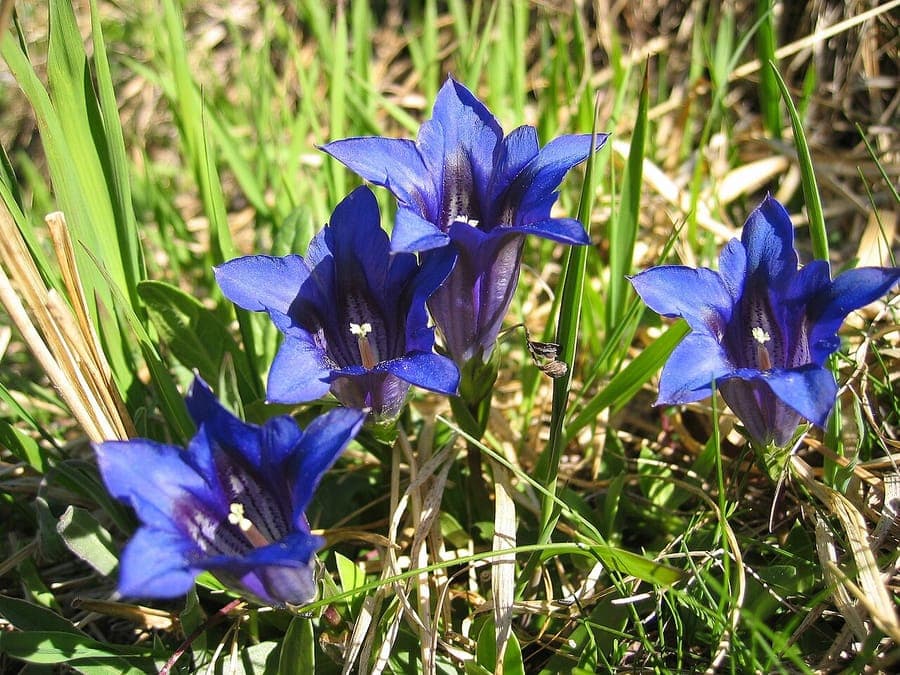
Wikimedia Commons / CC BY-SA 3.0, via Wikimedia Commons
Gentiana clusii: complete guide
Gentiana clusii
Want to see Gentiana clusii: complete guide in your garden?
Full design in HD: €7.99
Look after your Gentiana clusii with the GardenWorld app
Identify plants with your camera and get a care calendar with reminders for this plant.


Overview
Gentiana clusii, better known as Clusius Gentian or Trumpet Gentian, is an iconic alpine perennial from the Gentianaceae family. This small, low-growing jewel originates in the Alps, specifically the limestone mountains from southern France through Germany to the Carpathians. With its deep blue flowers and compact growth, it is a beloved choice for alpine gardens, rock gardens and mountainous front yard designs.
Appearance and Bloom
Gentiana clusii forms dense rosettes 5-10 cm tall with small, glossy leaves. The plant produces spectacular deep blue, long trumpet-shaped flowers from May to June. This spectacular bloom appeals to all alpine plant enthusiasts. Flowers grow close to the plant, creating a striking blue carpet on mountain slopes and rocky outcrops.
Ideal Location
Choose a light to partially shaded location on a well-draining mountain slope. Unlike many alpine plants, Gentiana clusii tolerates some shade, especially in hot climates. Full sun can cause drying in extremely hot regions. Protect from harsh midday sun. The plant grows best in rocky surroundings.
Soil
The plant requires very well-draining, slightly acidic to neutral soil. A pH between 6.5-7.5 is ideal. Heavy clay is fatal. Plant in alpine potting mix (50% sand, 30% gravel, 20% organic material). Add slate-colored gravel for mountain-like drainage. Lime-poor soils are preferable to calcareous soils.
Watering
Gentiana clusii requires consistently moist, but not wet soil. Water regularly during growing and flowering season (April to July). Ensure soil never dries completely. Use rainwater when possible. Reduce watering in autumn and winter as plant goes dormant. Ensure good drainage to prevent root rot.
Free preview
Want to see Gentiana clusii: complete guide in your garden? Make a free preview of your design.
Pruning
Pruning is minimal. Remove spent flowers to limit seed set and redirect energy to underground parts. Clear dead leaves in early spring. Leave natural form intact; this plant needs no aggressive pruning.
Maintenance Calendar
March-April: Preparation. Check soil moisture. Start watering carefully. Add some alpine fertilizer. May-June: Peak growth and bloom. Enjoy blue flowers. Water regularly. July-August: Bloom ends. Prevent seed setting by removing spent flowers. Avoid watering during dry spells. September-October: Winter preparation. Gradually reduce watering. November-February: Deep dormancy. Minimal care. Protect against wet rot through good drainage.
Winter Hardiness
Gentiana clusii is highly frost-hardy down to -25°C or lower. In most temperate zones no extra protection needed. However, guard against wet snow and ice which can cause plant damage. In very cold zones mulch around plant with gravel. Moisture poses greater danger in winter than cold.
Companion Plants
Combine Gentiana clusii with other alpine specialists: Sempervivum, Saxifraga, alpine Armeria, Pulsatilla and Primula auricula. Small conifers like Picea abies 'Nidiformis' provide nice backdrop. Avoid boisterous, large garden companions.
Closing
Gentiana clusii is an absolute treasure for alpine enthusiasts. With its deep blue flowers and mountainous allure, it transforms your front yard. Order online or seek specialist alpine nurseries. Find more inspiration on gardenworld.app.
Frequently asked questions about Gentiana clusii
Is Gentiana clusii winter hardy?
Gentiana clusii is highly frost-hardy down to -25°C or lower. In most temperate zones no extra protection needed.
When and how do you prune Gentiana clusii?
Pruning is minimal. Remove spent flowers to limit seed set and redirect energy to underground parts.
How much water does Gentiana clusii need?
Gentiana clusii requires consistently moist, but not wet soil. Water regularly during growing and flowering season (April to July).
Where does Gentiana clusii grow best?
Choose a light to partially shaded location on a well-draining mountain slope. Unlike many alpine plants, Gentiana clusii tolerates some shade, especially in hot climates.
What soil does Gentiana clusii need?
The plant requires very well-draining, slightly acidic to neutral soil. A pH between 6.5-7.5 is ideal.

See it in your garden
See Gentiana clusii in your garden
One photo of your garden and a few questions. You see the result in about a minute.
Try it with a photoIdentify this plant in your own garden. Identify a plant
Similar plants
Autumn Gentian: complete guide
Gentiana sino-ornata
Everything about the autumn gentian (Gentiana sino-ornata): deep blue trumpet flowers in autumn. Acid soil, moisture, site, dividing and winter care explained.
Branched gentianella: complete guide
Gentianella ramosa
Full growing guide for Gentianella ramosa, the branched Alpine gentianella of the SW Alps - location, soil, watering, winter care and companion plants.
Spiked centaury: complete guide
Schenkia spicata
Full growing guide for Schenkia spicata (spiked centaury): sunny position, dry soil, bloom season and garden companions.
