
Christian Fischer / CC BY-SA 3.0, via Wikimedia Commons
Large-flower hemp-nettle: complete guide
Galeopsis speciosa
Want to see Large-flower hemp-nettle: complete guide in your garden?
1 minute, no credit card
Overview
Galeopsis speciosa, commonly known as large-flower hemp-nettle, is a striking annual forb in the Lamiaceae family. Despite the name, it's not a true nettle and doesn't sting - though its square, hairy stem might fool you at first glance. Native to central and southeastern Europe, including countries like Austria, Belarus, and the Baltic States, this plant thrives in open woodlands, field margins, and disturbed soils. In the garden, it brings a wild charm to meadow-style plantings and informal borders, growing 30 to 80 cm tall with vivid pink to purple blooms from midsummer into early autumn.
On gardenworld.app, you can design a pollinator-rich garden layout where large-flower hemp-nettle plays a supporting yet eye-catching role among grasses and native perennials.
Appearance & bloom cycle
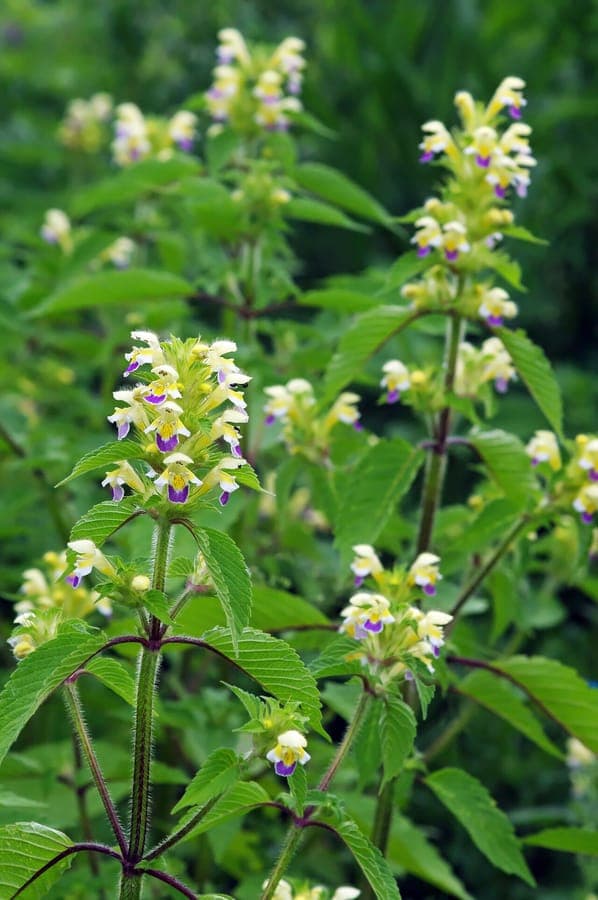
Large-flower hemp-nettle has upright, square stems covered in fine bristly hairs. Its opposite leaves are lance-shaped, toothed, and feel rough to the touch. The real show starts in July when the flowers appear in whorls from the leaf axils. Each bloom is large for the genus - up to 2.5 cm long - with a flared lower lip marked by dark purple spots. The color ranges from soft pink to deep lilac, often with white or yellowish throats.
Flowering continues from July through September, peaking in August. The plant sets small nutlets after blooming, which are easily dispersed by wind, water, or passing animals. In favorable conditions, it self-seeds readily, returning year after year without much help. This makes it a great choice for naturalistic gardens, though you may want to manage its spread in smaller spaces.
Ideal location
This plant needs plenty of light - aim for a 7 out of 10 on the sun scale. That means at least 6 to 7 hours of direct sunlight daily. It performs best in full sun to light shade, such as along woodland edges or in open cottage garden borders. Avoid deep shade or heavily competitive plantings, as it won't thrive under dense canopies or aggressive groundcovers.
Try placing it behind lower-growing summer bloomers like Echinacea or in drifts among tall ornamental grasses. On gardenworld.app, you can simulate how different plant heights and spacings affect light and airflow - essential for keeping hemp-nettle healthy and blooming.
Soil requirements
Large-flower hemp-nettle prefers moist, well-drained soils rich in organic matter. The ideal pH range is 5.5 to 6.5 - slightly acidic to neutral. It does well in loamy or sandy loam soils but struggles in heavy clay or extremely dry sand. Before planting, work in a layer of compost to boost fertility, but avoid high-nitrogen fertilizers, which promote leafy growth at the expense of flowers.
Free design
Want to see Large-flower hemp-nettle: complete guide in your garden? Make a free design now.
Watering
During establishment, especially in spring, keep the soil consistently moist. Once settled, the plant tolerates short dry spells but blooms best with regular moisture. Water deeply once a week during dry periods, preferably in the morning. Avoid overhead watering to prevent powdery mildew and other fungal issues. Mulching lightly with organic matter helps retain moisture and suppresses weeds.
Pruning
Pruning isn't necessary, but pinching the tips in early June encourages bushier growth and prevents legginess. This is especially helpful if you're growing it in a mixed border where structure matters. After flowering, you can cut back spent stems or leave them for winter interest and seed dispersal. Use clean, sharp shears and disinfect between cuts if disease is suspected.
Maintenance calendar
- Jan: No action
- Feb: No action
- Mar: Prepare soil; check for overwintered seeds
- Apr: Sow seeds indoors or in a cold frame
- May: Transplant seedlings outdoors after last frost
- Jun: Pinch tips for branching
- Jul: Flowers begin - monitor for pests and moisture
- Aug: Peak bloom - watch for fungal spots in wet weather
- Sep: Seed heads mature - collect or allow self-sowing
- Oct: Cut back or leave standing
- Nov: Clear debris if disease was present
- Dec: No action
Winter hardiness
As an annual, large-flower hemp-nettle doesn't survive winter. However, it reliably self-seeds in USDA zones 5 to 8, especially if seed heads are left intact in autumn. In colder zones, germination may be spotty, so consider saving seeds for spring sowing. The plant adapts well to temperate climates with moderate winters.
Companion plants
Pair it with tall meadow plants like Verbascum, Stachys, or Molinia. It also looks great with goldenrods (Solidago) and asters for late-season color. Avoid pairing with overly vigorous spreaders like mint or bindweed. Its upright form and airy texture work well in naturalistic combos, adding height without bulk.
Closing
Large-flower hemp-nettle isn't a mainstream garden favorite, but it's a gem for those who love a relaxed, ecologically rich planting style. It's easy to grow, attracts bees and hoverflies, and delivers months of color with little fuss. You can find seeds or young plants at local garden centres in the UK and US, or order online from specialist wildflower suppliers. With the right spot and minimal care, Galeopsis speciosa will surprise you with its resilience and beauty. And remember: on gardenworld.app, you can preview how this plant fits into your space, helping you create a balanced, living design.
Want to see Large-flower hemp-nettle: complete guide in your garden? Make a free design now.
Upload a photo, pick a style, and get a photorealistic design with plant list in under a minute.
No credit card required


Similar plants
Apple mint (Mentha x villosa): complete guide
Mentha x villosa
Meet apple mint (Mentha x villosa): a fruity-scented kitchen herb with woolly leaves, perfect for tea and mojitos.
Salvia peyronii: complete guide
Salvia peyronii
Discover Salvia peyronii, a rare Lebanese mountain sage. Growing tips, hardiness, and companion planting for a Mediterranean gravel garden.
Bigleaf mint (Mentha x rotundifolia): complete guide
Mentha x rotundifolia
Discover bigleaf mint: cultivation, care tips, and garden uses. Learn how to grow this aromatic herb with soft, hairy leaves.