
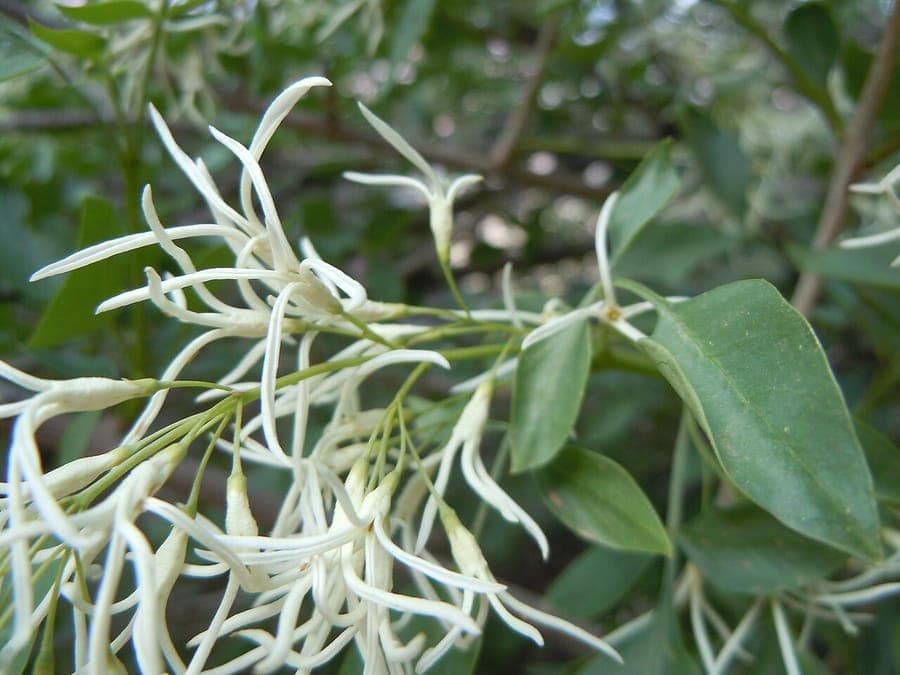
Matt Lavin from Bozeman, Montana, USA / CC BY-SA 2.0, via Wikimedia Commons
Fraxinus cuspidata: complete guide
Fraxinus cuspidata
Want to see Fraxinus cuspidata: complete guide in your garden?
1 minute, no credit card
Overview
Fraxinus cuspidata, also known as Fragrant Ash or Flowering Ash, is a magnificent North American tree originating from Sonoran Desert regions of Arizona, New Mexico, Nevada, and Mexico. This member of the Oleaceae family (the same family as olives) distinguishes itself through its fragrant flowers and graceful structure.
The tree has long been used in dry, Southwestern garden designs and is ideal for xeriscape projects. With its drought-tolerance, rapid growth, and attractive blooms, it's a popular choice for landscapers in semi-arid regions. The plant requires minimal care once established.
Appearance and Bloom
Fraxinus cuspidata grows as a deciduous tree, usually 6-10 meters tall (in favorable conditions up to 15 meters). The tree has elegant, feathery leaves with numerous small, oval leaflets. The leaf pattern is very ornamental and gives the tree an airy, delicate appearance.
The blooms are the true highlight of this tree! In late spring (April-May), before leaves fully emerge, dense clusters of small, yellow or white flowers appear with a strong, pleasant fragrance. This scent attracts bees and other pollinators. The aroma is almost orchid-like and highly remarkable. After bloom, ornamental seed pods (samaras) develop that disperse by wind.
Ideal Location
Fraxinus cuspidata thrives best in full sun with a minimum of 6-8 hours of direct sunlight daily. The tree flourishes in hot, dry conditions. Place in open, sunny locations.
The tree is highly drought and heat-tolerant and suited to dry, arid landscapes. It can grow in stony, poor soil. Ensure good drainage. Protect young trees from strong winds until established. Once established, the tree is highly self-sustaining.
Soil
Fraxinus cuspidata is extremely flexible regarding soil types. The tree grows in poor, sandy, clay, or rocky soils. The plant tolerates very low nutrient levels and can even grow in stony soils.
Well-draining, fast-draining soil is essential - the tree tolerates no water stagnation. In container culture, use well-draining potting soil with extra sand. The tree is highly drought-loving and appreciates lean soil over rich mixes.
Free design
Want to see Fraxinus cuspidata: complete guide in your garden? Make a free design now.
Watering
Once established, Fraxinus cuspidata is extremely drought-tolerant and requires minimal watering. Young trees should be watered regularly in the first year to stimulate roots to depth. But once established (after 1-2 years), the tree can go without supplemental water for extended periods.
During extremely dry periods (more than four weeks without rain), occasional watering can provide benefit. Excessive water is detrimental - the tree tolerates no wet feet. Drought is no problem for this tree.
Pruning
Fraxinus cuspidata requires minimal pruning. Remove only dead branches and any water sprouts. The tree naturally forms an attractive shape.
Early formative pruning can help stimulate a single central trunk. Remove competing central leaders as a young tree. Once established, pruning is very minimal - only maintenance of diseased and damaged branches.
Maintenance Calendar
March-May: Pre-bloom. Bloom. Fragrant flowers. Check water needs of young trees. Monitor for pests.
June-August: Leaf growth. Seed pod ripeness. Reduce water if established. Summer maintenance pruning if needed.
September-October: Leaf fall begins. Gradually reduce watering. Prepare for winter.
November-February: Winter dormancy. Deciduous tree has no leaves. No watering needed. Minimal care.
Winter Hardiness
Fraxinus cuspidata is highly frost-hardy and tolerates temperatures to approximately -15 to -20 degrees Celsius. The tree grows naturally in zones 7-10 and can remain outdoors year-round in many temperate climates.
In very cold regions (zones 6 and colder), the tree can be damaged or killed by extreme frost. The tree can, however, be overwintered as a container specimen or protected in cold frames.
Companion Plants
Fraxinus cuspidata combines beautifully with other drought-loving plants: Acacia, Mesquite, Palo Verde, Creosote Bush, and other desert-native plants. The fragrant blooms contrast beautifully with silver-grey xeriscaping residents. Also plant with low-growing desert groundcovers.
Closing
Fraxinus cuspidata offers a spectacular combination of fragrant, early blooms and drought-tolerance for dry, Southwestern gardens. With minimal watering once established, minimal pruning, and natural ornamental value, this tree can provide beauty for years. Suitable retailers worldwide.
Discover more xeriscape trees on gardenworld.app and design your drought-proof garden today!
Want to see Fraxinus cuspidata: complete guide in your garden? Make a free design now.
Upload a photo, pick a style, and get a photorealistic design with plant list in under a minute.
No credit card required


Similar plants
Rough menodora: complete guide
Menodora scabra
Full guide to Menodora scabra: a drought-tolerant desert subshrub with bright yellow flowers, ideal for rock gardens and xeriscapes.
Fraxinus dipetala: complete guide
Fraxinus dipetala
California ash or two-petal ash from southwestern USA. Beautiful spring flowers, drought-tolerant. Experimental choice for warm Mediterranean front gardens.
Syringa komarowii: complete guide
Syringa komarowii
Syringa komarowii is a striking lilac from central China with elegant flower spikes and lovely foliage. Discover the complete care guide here.