
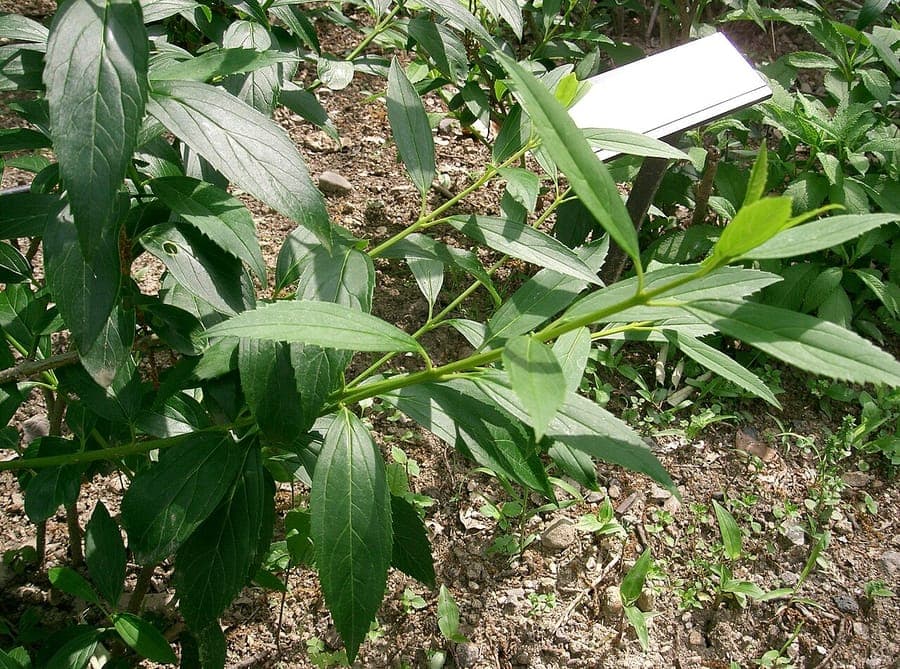
KENPEI / CC BY-SA 3.0, via Wikimedia Commons
Forsythia: complete guide
Forsythia suspensa
Want to see Forsythia: complete guide in your garden?
1 minute, no credit card
Overview
Forsythia suspensa, commonly known as weeping forsythia, is a standout among spring-flowering shrubs for its graceful, trailing habit. Native to central and southeastern China, this member of the Oleaceae family can reach 3 meters in length, with long, arching stems that drape elegantly over walls, banks, or trellises. Unlike upright forsythias, suspensa has a vining tendency, making it ideal for vertical interest in gardens with limited space.
In temperate climates, including much of the UK and northern US, this shrub is prized for its ability to signal the end of winter. Its bright blooms appear before the leaves, offering a bold splash of color when little else is flowering. Whether trained along a fence or allowed to cascade down a slope, Forsythia suspensa adds movement and structure. On gardenworld.app, you can design a planting scheme that maximizes its weeping form, ensuring it has room to trail without crowding other plants.
Appearance & bloom cycle
The star of the show is the vibrant yellow flowers that emerge from late February through April, depending on climate. Blooms are about 1–1.5 cm across, with four pointed petals, and appear directly on the previous year's wood. They cluster densely along the stems, creating a golden cascade that can last 3–4 weeks.
After flowering, dark green, lance-shaped leaves appear, growing 5–10 cm long. The foliage remains healthy through summer and into autumn, turning a modest yellow before dropping in late October. Even in winter, the twisted, brown stems have character, especially when dusted with frost or trained over a pergola.
Ideal location
Forsythia suspensa thrives in full sun to partial shade. For maximum bloom, aim for at least 6 hours of direct sunlight daily. In shadier spots, flowering diminishes and growth becomes leggy. A south- or east-facing wall is ideal, offering warmth in spring and protection from harsh afternoon sun in summer.
This plant excels as a wall climber or ground cover on slopes. Use galvanized wire or wood trellises to guide young stems. It can also be grown in large containers, provided they're at least 50 cm wide and have good drainage. On gardenworld.app, you can visualize how this shrub will drape over time, helping you plan support structures and spacing.
Soil requirements
It tolerates a wide range of soils as long as drainage is good. Ideal pH ranges from 5.0 to 7.5. Avoid heavy, waterlogged clay. If your soil is dense, amend it with grit, compost, or well-rotted manure to improve aeration. Sandy soils work well but may need extra organic matter to retain moisture.
Fertilizer needs are minimal. A light application of balanced granular fertilizer or compost in early spring is sufficient. Overfeeding, especially with high-nitrogen products, promotes leafy growth at the expense of flowers.
Free design
Want to see Forsythia: complete guide in your garden? Make a free design now.
Watering
Young plants need regular watering for the first two growing seasons-about 10–15 liters per week during dry spells. Once established, Forsythia suspensa is moderately drought-tolerant. However, prolonged dry periods in summer can reduce next year's bloom.
Water at the base to avoid wetting foliage, which can encourage fungal diseases. In containers, check soil moisture weekly-dry to 5 cm deep is ideal. Use rainwater when possible, as this plant dislikes highly alkaline tap water.
Pruning
Pruning is crucial for shape and bloom production. Always prune right after flowering, by late May at the latest. Pruning in fall or winter removes the flower buds formed in summer. Cut back up to one-third of the oldest stems to ground level to encourage new growth. Trim long, trailing stems to 30–50 cm from the main trunk if they're getting out of bounds.
Use sharp, clean secateurs to prevent disease. Remove any dead, damaged, or crossing stems. For wall-trained plants, tie in new shoots to support wires in summer to maintain a neat fan shape.
Maintenance calendar
- Jan: Inspect stems for winter damage. No pruning.
- Feb: Watch for early blooms. Protect from late frosts.
- Mar: Peak bloom. Keep soil moist if dry.
- Apr: Flowers fade. Begin pruning immediately after.
- May: Complete pruning. Apply compost or slow-release fertilizer.
- Jun: Monitor for aphids or powdery mildew. Water during dry weeks.
- Jul: Minimal care. Water only in extended drought.
- Aug: Stop fertilizing. Plant enters dormancy prep.
- Sep: Leave fallen leaves as mulch; they enrich soil.
- Oct: Leaves drop. Check root zone for compaction.
- Nov: Mulch base of young plants to protect roots.
- Dec: Winter check. No action needed.
Winter hardiness
Hardy in USDA zones 5–8 (-23°C to -12°C), Forsythia suspensa handles most UK and northern US winters with ease. Young plants benefit from a 5–10 cm layer of mulch (straw or leaf mold) around the base in their first two winters.
Flower buds are vulnerable to late frosts. A sudden -5°C snap in March can damage open blooms. Planting near a south-facing wall or under eaves can reduce frost risk.
Companion plants
Pair with early spring bulbs like crocus, snowdrops, or daffodils to extend seasonal interest. Underplant with hellebores or lungwort (Pulmonaria) for shade tolerance and color contrast. For summer coverage, try heuchera or hostas.
Good structural companions include boxwood, lavender, or dwarf yew. Avoid invasive groundcovers like ivy, which can overtake the forsythia's base. For a natural look, grow alongside native shrubs like serviceberry (Amelanchier).
Closing
Forsythia suspensa is a reliable, low-fuss shrub that delivers unmatched early color. Its weeping form adds elegance to fences, walls, and slopes, making it a favorite for cottage and modern gardens alike. With minimal pruning and care, it thrives for decades. Available at most garden centres, including online retailers, it's easy to source. For a tailored planting plan, use gardenworld.app to map out its growth and companion plants-ensuring your garden starts strong every spring.
Want to see Forsythia: complete guide in your garden? Make a free design now.
Upload a photo, pick a style, and get a photorealistic design with plant list in under a minute.
No credit card required


Similar plants
Rough menodora: complete guide
Menodora scabra
Full guide to Menodora scabra: a drought-tolerant desert subshrub with bright yellow flowers, ideal for rock gardens and xeriscapes.
Fraxinus dipetala: complete guide
Fraxinus dipetala
California ash or two-petal ash from southwestern USA. Beautiful spring flowers, drought-tolerant. Experimental choice for warm Mediterranean front gardens.
Syringa komarowii: complete guide
Syringa komarowii
Syringa komarowii is a striking lilac from central China with elegant flower spikes and lovely foliage. Discover the complete care guide here.