
Averater / CC BY 4.0, via Wikimedia Commons
Blue fescue: complete guide
Festuca glauca
Want to see Blue fescue: complete guide in your garden?
1 minute, no credit card
Overview
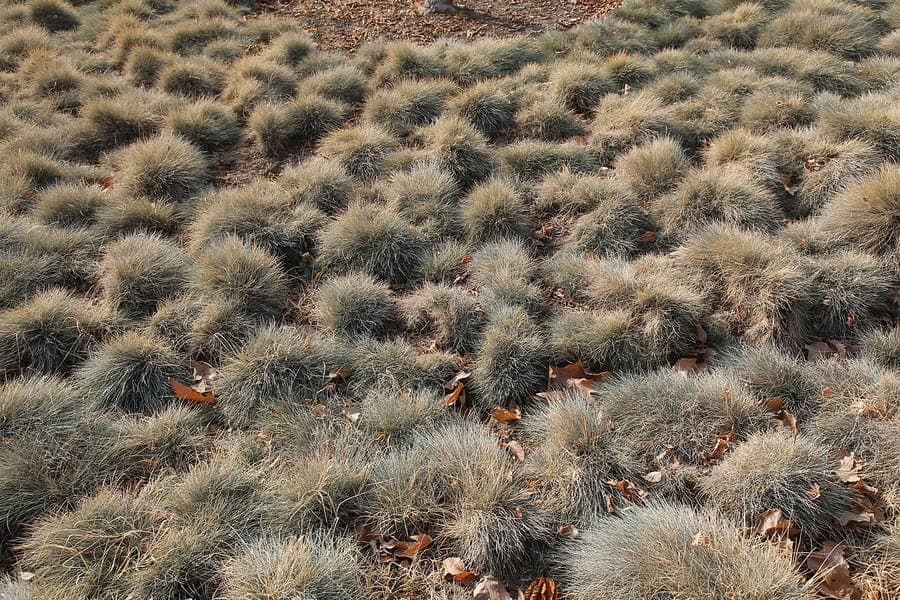
Blue fescue (Festuca glauca) isn't your average lawn grass - it's a compact, evergreen ornamental grass that brings year-round structure and colour to gardens. Native to the mountainous regions of France, Italy, Spain, and Switzerland, it thrives in well-drained soils and full sun, making it a go-to for low-effort, high-impact planting. It forms tight, dome-shaped mounds of stiff, narrow leaves, typically reaching 20–25 cm in height and width. While not invasive, it does slowly form clumps that can be divided every few years to keep them vigorous.
This grass is hardy in USDA zones 4–8, meaning it can handle winter lows down to -30 °C, provided the soil stays dry. In wetter climates, like the UK or parts of the Pacific Northwest, winter survival depends heavily on drainage. It's not a grass you walk on, but one you admire - perfect for edging paths, filling gaps in gravel gardens, or adding texture to mixed plantings.
Appearance & bloom cycle
The standout feature is the foliage - a striking silvery-blue to steel-grey that glows in sunlight. The leaves grow in neat, radial tufts from a central base, creating a fountain-like effect. In early summer, around June and July, delicate beige flower stalks rise up to 40 cm, airy and fine, carrying small seed heads. These aren't showy, but they add movement and a softness that contrasts beautifully with the rigid base.
After flowering, the stalks can be left for winter interest or trimmed off. If left, they may self-seed lightly, though not aggressively. The plant retains its shape through winter, though foliage tips may turn brown in harsh, wet conditions. A spring trim renews the clump and keeps it looking sharp.
Ideal location
Full sun is non-negotiable for maintaining that vivid blue hue. In less than six hours of direct light, the colour fades to green, and the clumps become loose and floppy. Plant it where it gets uninterrupted sun, such as rock gardens, dry borders, or between paving stones. It also works well in containers on sunny patios or balconies.
Avoid shaded, damp areas - this grass hates sitting in moisture. Pair it with drought-tolerant companions like lavender, yarrow, or sedum for a cohesive, low-water scheme. If you're planning a xeriscape-style garden, blue fescue is a key player.
On gardenworld.app, you can design a garden layout that maximises sun exposure and groups plants by water needs, ensuring blue fescue stays healthy and vibrant.
Soil requirements
Drainage is everything. Blue fescue despises heavy clay or water-retentive soils. It prefers sandy or gravelly loam with a pH between 6.0 and 7.5. When planting, mix in extra grit, perlite, or crushed rock to improve flow. Never enrich the soil with compost - too much fertility leads to weak growth and loss of colour.
In areas with high rainfall, plant on a slope or raised bed to prevent water pooling. In containers, use a gritty potting mix with at least 30% drainage material. Terracotta pots are ideal - they wick away moisture better than plastic.
Free design
Want to see Blue fescue: complete guide in your garden? Make a free design now.
Watering
Once established, blue fescue is extremely drought-tolerant. Water regularly only during the first four to six weeks after planting. After that, it relies on natural rainfall. During prolonged dry spells in summer, a deep soak every two to three weeks is sufficient - never water daily.
Overwatering is the fastest way to kill this plant. Soggy soil leads to crown rot and fungal issues. In containers, let the soil dry completely between waterings. Stick your finger in - if it's damp below 5 cm, wait.
Pruning
Prune in early spring, around March or April, before new growth emerges. Use sharp shears to cut the entire clump down to about 5 cm above the ground. This removes dead material, prevents rot, and encourages fresh, tight tufts. Avoid cutting into the crown - just above it is fine.
Don't leave the old foliage in place. It creates a dead center that invites pests and disease. Collect and compost the trimmings, but don't let them sit on moist soil.
Maintenance calendar
- January: Check for winter damage. Protect container plants from prolonged wet.
- February: No action needed unless snow or ice has flattened clumps.
- March: Cut back old foliage. Clean around the base.
- April: Watch for new growth. No feeding required.
- May: Let plant establish. Avoid overwatering.
- June: Flower stalks appear. Monitor for excess moisture.
- July: Peak bloom. Water only in extended drought.
- August: Flowers fade. No additional care.
- September: Divide clumps if over 3 years old and starting to die in the center.
- October: No maintenance.
- November: Keep area clear of fallen leaves.
- December: Leave standing for winter structure. Elevate pots off the ground.
Winter hardiness
Hardy to USDA zone 4, but only in dry conditions. The real enemy is wet soil combined with freeze-thaw cycles, which causes root and crown rot. In wetter zones, use gravel mulch around the base to improve drainage and reduce moisture retention. Avoid organic mulches like bark - they hold water and promote decay.
Container-grown plants are more vulnerable. Move them to a sheltered spot or raise them on pot feet to prevent waterlogging. If you get consistent hard freezes, consider wrapping pots with bubble wrap for insulation.
Companion plants
Pair blue fescue with sun-loving, drought-tolerant plants: lavender (Lavandula angustifolia), sedum (Sedum 'Autumn Joy'), catmint (Nepeta), or yarrow (Achillea). The blue-grey foliage contrasts beautifully with purple, pink, or yellow blooms.
Avoid moisture-loving plants like hostas or ferns - their needs clash, and you'll end up compromising one or the other. Stick to a dry garden theme for best results.
Use the companion planner on gardenworld.app to find plants that thrive under the same conditions and create balanced, sustainable designs.
Closing
Blue fescue is a low-key hero in the garden - not flashy, but endlessly reliable. With full sun, sharp drainage, and a yearly trim, it delivers crisp texture and cool colour year after year. It's a perfect fit for modern, minimalist designs, gravel gardens, or cottage borders that need subtle structure.
Pick it up at local garden centres - you'll often find it at independents or chains like B&Q, but check for healthy, compact clumps without browned tips. With proper placement and care, this grass will stay a crisp, blue anchor in your garden for seasons to come.
Want to see Blue fescue: complete guide in your garden? Make a free design now.
Upload a photo, pick a style, and get a photorealistic design with plant list in under a minute.
No credit card required


Similar plants
Sporobolus pungens: complete guide
Sporobolus pungens
Sporobolus pungens is a stoloniferous Mediterranean coastal grass with outstanding salt and drought tolerance, perfect for seaside and dry gardens.
Mediterranean aegilops: complete guide
Aegilops biuncialis
Everything about Aegilops biuncialis, a Mediterranean annual grass with ornamental spikes and outstanding drought tolerance for dry gardens.
Silver bluestem: complete guide
Bothriochloa saccharoides
Full guide to Bothriochloa saccharoides (silver bluestem): site, soil, watering, winter hardiness, pruning, and garden companions.