
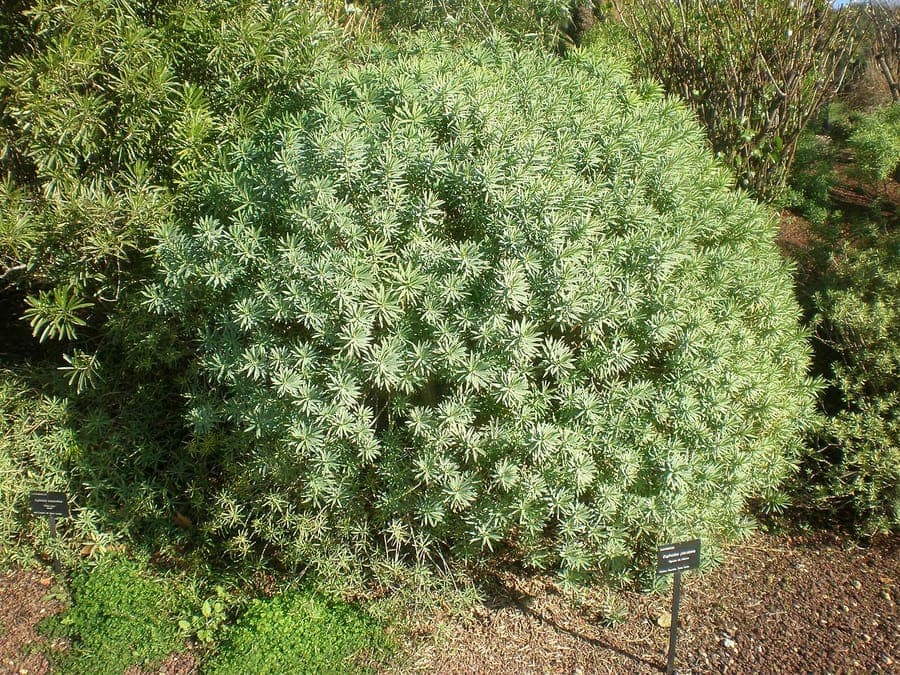
Consultaplantas / CC BY-SA 4.0, via Wikimedia Commons
Euphorbia piscatoria: complete guide
Euphorbia piscatoria
Want to see Euphorbia piscatoria: complete guide in your garden?
1 minute, no credit card
Overview
Euphorbia piscatoria, commonly known as the fish-stunning spurge, is a fascinating succulent plant native to Madeira and the Canary Islands. This remarkable plant is prized for its striking growth habit and impressive presence in warm climates. With its distinctive structure and character, Euphorbia piscatoria stands out as a unique addition to any garden. When grown with proper care, this plant thrives beautifully and adds exotic beauty to your landscape design.
Appearance and Bloom
The Euphorbia piscatoria displays a striking growth pattern with thick, fleshy stems that often feature red or green coloring. The plant grows in a natural candelabrum-like form and can reach substantial heights. The leaves are relatively small and appear on the upper portions of the stems. Flowers are small and inconspicuous, but the plant is primarily valued for its structural beauty. The blooming period occurs in spring and summer, with tiny yellow or green flowers appearing that are important for pollinators. The overall silhouette of the plant makes it a dramatic focal point in any garden setting.
Ideal Location
The Euphorbia piscatoria thrives best in a location with full sun and protection from cold winds. A sunny, warm spot against a south-facing wall is ideal. The plant can be grown either in containers or in the ground, depending on your climate zone. Ensure the plant is positioned where you can enjoy this exotic element from multiple angles. In colder regions, container cultivation is recommended so you can bring the plant indoors during winter months.
Soil
Provide well-draining potting soil with plenty of sand, small stones, or perlite. A succulent plant mix works excellently. The soil must never become waterlogged. For outdoor cultivation, you can add sand and gravel to your garden soil. A pH between neutral and slightly alkaline is preferred. Ensure the soil has adequate nutrients, as although Euphorbia does not require much feeding, it will appreciate some compost in spring.
Free design
Want to see Euphorbia piscatoria: complete guide in your garden? Make a free design now.
Watering
This plant is drought-tolerant and can withstand long periods without water. During the growing season (spring and summer), you may water regularly, but allow the soil to dry between waterings. In winter, provide minimal water only - just enough moisture to keep the plant alive. Excessive water is the greatest enemy of this species. Always check that the soil feels dry before watering again. During very dry seasons, you may provide water, but always proceed with caution.
Pruning
The Euphorbia piscatoria requires little pruning. Remove any dead or damaged stems as soon as you notice them. You can gently maintain the shape of the plant by removing old or unwanted stems. Do this in spring for best results. When pruning, wear gloves, as the milky sap can cause skin irritation. Always use a sharp pruning knife to make clean cuts.
Maintenance Calendar
Spring: From March to May, water carefully and add a thin layer of compost. Summer: Water regularly during dry weather, possibly feeding the plant. Autumn: Gradually reduce watering as temperatures cool. Winter: Provide minimal water, especially in colder regions. Frost protection is crucial. Continuously check for pests, especially during warm months.
Winter Hardiness
The Euphorbia piscatoria is not winter-hardy in colder climates. In the UK and Northern Europe, the plant can only remain outdoors if minimum temperatures do not fall below 5 degrees Celsius. In frost-prone areas, bring the plant indoors for winter or protect it well with reed mats or burlap. Ideally, keep it in a cool room or greenhouse with plenty of light. Ensure the plant stays away from heating devices, even indoors.
Companion Plants
The Euphorbia piscatoria combines beautifully with other succulents and drought-tolerant species. Aloe plants, agaves, and sedums work well as neighboring plants. Grasses and silver-leafed herb species complement the plant nicely. Combine with low-growing ground covers for contrast. Ensure neighboring plants do not create excessive shade.
Conclusion
The Euphorbia piscatoria is an excellent choice for those who enjoy cultivating exotic plants. With proper care and location, this plant grows without problems. Remember that you can purchase this plant from garden centers. You can also seek advice through gardenworld.app for the perfect landscape design featuring this beautiful succulent.
Want to see Euphorbia piscatoria: complete guide in your garden? Make a free design now.
Upload a photo, pick a style, and get a photorealistic design with plant list in under a minute.
No credit card required


Similar plants
Woolly mercury: complete guide
Mercurialis tomentosa
All about Mercurialis tomentosa, the woolly mercury from southwestern Europe: site, soil, watering, care and garden design tips.
Shurur: complete guide
Euphorbia fruticosa
Everything about Shurur: cultivation in dry climates, xeriscaping, care and tips for drought-resistant gardens in warm climates
Glary spurge: complete guide
Euphorbia glareosa
Everything about glary spurge: cultivation, maintenance, frost hardiness and use in Mediterranean and mountain-inspired gardens