
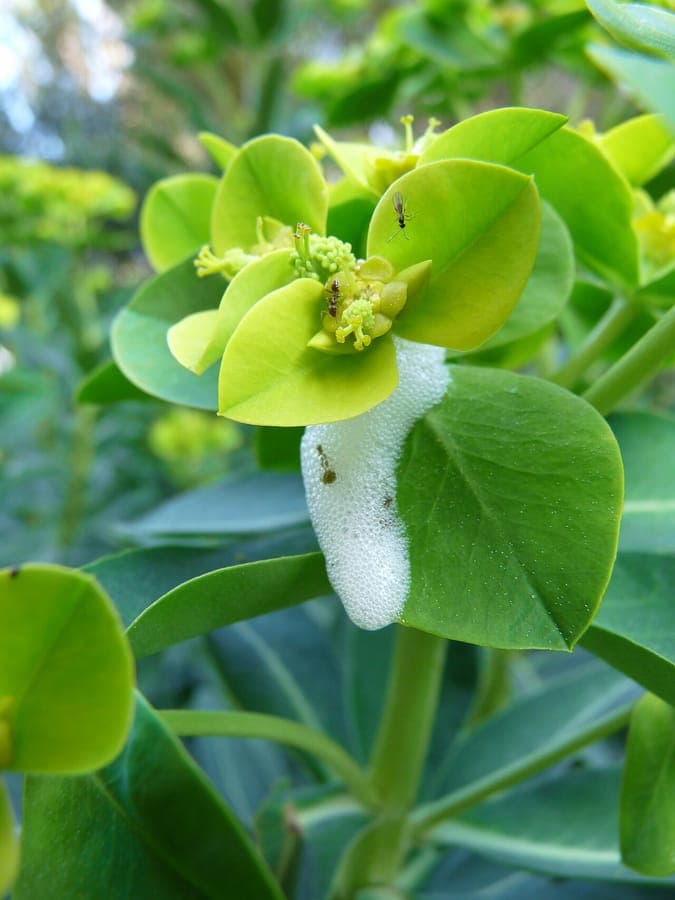
Wuniatu from Castelló de la Plana / CC BY 2.0, via Wikimedia Commons
Euphorbia margalidiana: complete guide
Euphorbia margalidiana
Want to see Euphorbia margalidiana: complete guide in your garden?
1 minute, no credit card
Overview
Euphorbia margalidiana, commonly called the Ibiza spurge or Spurge of Margadiles Islet, is a distinctive succulent native to the Balearic Islands. Belonging to the Euphorbiaceae family, this plant excels in arid conditions and compact spaces. Known for its resilience, it thrives where many other plants struggle.
Appearance & Bloom
This compact succulent grows as a dense, mounded shrub with finely textured foliage. The plant features characteristic compound leaves that provide a delicate visual texture. While its flowers remain undocumented in cultivation records, Euphorbia margalidiana is prized for its subtle vegetative charm and architectural form.
Leaf color and texture vary seasonally and with light exposure. In intense sun, foliage may develop reddish or bronzed tones, creating an attractive accent effect.
Ideal Location
Full sun to partial shade is essential. Aim for at least 6 hours of direct sunlight daily for compact, dense growth. Ensure excellent air circulation to prevent fungal issues, particularly during cool, humid seasons.
Place this plant on south or west-facing aspects in northern climates. Sheltered rock gardens and alpine troughs showcase it beautifully.
Soil
Extremely well-drained, gritty soil is non-negotiable. Mix 50 percent coarse sand or perlite, 30 percent peat or coco-coir, and 20 percent compost. The plant actually prefers poor, lean soils over rich amendments.
In containers, use pots at least 15-20 cm across with drainage holes. Avoid any hint of humus-rich, moisture-retentive compost.
Watering
During the growing season (March-October), water only when soil is completely dry, roughly every 2-3 weeks. Winter watering: once monthly or not at all.
This plant prefers drought stress to overwatering. It is specifically sensitive to water stagnation. Always err on the dry side.
Free design
Want to see Euphorbia margalidiana: complete guide in your garden? Make a free design now.
Pruning
Minimal pruning is required. Remove only dead or severely damaged growth. The natural compact form is self-regulating. Caution: the milky sap can irritate skin; wear gloves when handling.
Maintenance Calendar
- March-April: Inspect for winter damage. Sow seeds in warm conditions (15-20°C).
- May-June: Active growth; water sparingly. Propagate via stem cuttings.
- July-August: Hot, dry season. Withhold water mostly.
- September-October: Gradually reduce watering; prepare for dormancy.
- November-February: Winter rest; minimal or no water. Keep in dry, sheltered location or indoors.
Winter Hardiness
Frost-sensitive. In northern climates, provide winter protection or bring indoors. Outdoors, site in a dry, sheltered microclimate; ideally, move to a greenhouse or sunny windowsill by November.
Hardy to approximately -5°C for brief frosts; -10°C is typically fatal. Best practice: allow outdoor growth through dry season, then shelter or relocate.
Companion Plants
Growing Euphorbia margalidiana alongside complementary xerophytes creates striking xeriscape plantings:
- Sedum species (stonecrops)
- Sempervivum (houseleeks)
- Festuca glauca (blue fescue)
- Stipa (feather grasses)
- Helichrysum italicum (curry plant)
Together, they form resilient, low-maintenance compositions that shine in full summer sun.
Closing
Euphorbia margalidiana is an excellent choice for gardeners seeking drought-tolerant exoticism. Despite its Mediterranean heritage, it can thrive in temperate climates with proper care. By prioritizing drainage, sunlight, and winter protection, this compact succulent becomes a year-round focal point in gardens or containers. Find it through specialty nurseries and garden centers. Discover design ideas at gardenworld.app to integrate this resilient beauty into your scheme.
Want to see Euphorbia margalidiana: complete guide in your garden? Make a free design now.
Upload a photo, pick a style, and get a photorealistic design with plant list in under a minute.
No credit card required


Similar plants
Woolly mercury: complete guide
Mercurialis tomentosa
All about Mercurialis tomentosa, the woolly mercury from southwestern Europe: site, soil, watering, care and garden design tips.
Shurur: complete guide
Euphorbia fruticosa
Everything about Shurur: cultivation in dry climates, xeriscaping, care and tips for drought-resistant gardens in warm climates
Glary spurge: complete guide
Euphorbia glareosa
Everything about glary spurge: cultivation, maintenance, frost hardiness and use in Mediterranean and mountain-inspired gardens