
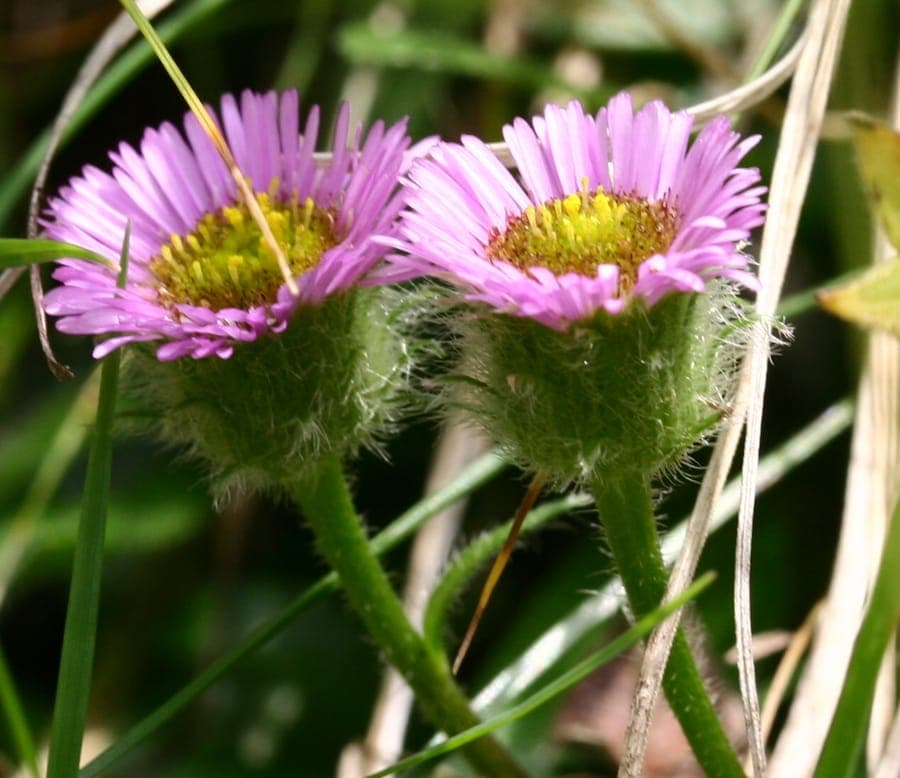
Enrico Blasutto / CC BY-SA 3.0, via Wikimedia Commons
Alpine fleabane: complete guide
Erigeron alpinus
Want to see Alpine fleabane: complete guide in your garden?
1 minute, no credit card
Overview
Erigeron alpinus, commonly known as Alpine fleabane, is a charming, low-growing perennial that brings a wildflower elegance to gardens. Native to mountainous regions of central and southern Europe-Austria, Italy, France, and Greece-it thrives in rocky, dry conditions. In the UK and northern Europe, it performs best in sunny, sharply drained spots where taller, more aggressive plants don't outcompete it. Hardy, compact, and long-lived, this Asteraceae family member is perfect for rock gardens, crevices, or the front of sunny borders.
On gardenworld.app, you can design a garden layout that highlights Alpine fleabane's natural charm, especially in drought-prone or low-maintenance areas. Its resilience and modest footprint make it ideal for modern, sustainable garden schemes.
Appearance & bloom cycle
Alpine fleabane reaches 10–15 cm in height and spreads 20–30 cm wide. The foliage forms a dense mat of narrow, dark green leaves that stay semi-evergreen in mild winters. From late June through July, it produces an abundance of daisy-like flowers-pure white rays surrounding a bright yellow center. Each flower head is about 2.5 cm across, creating a delicate, airy effect.
The bloom period lasts four to five weeks. Deadheading spent stems encourages tidiness and may prompt a light second flush in early August. The flowers are a magnet for pollinators, especially bees and hoverflies, boosting biodiversity in your garden.
Ideal location
Plant Alpine fleabane in full sun to very light shade. It needs at least six hours of direct sunlight daily. In dense shade or damp conditions, growth slows and plants may rot. It excels in south- or southeast-facing rockeries, stone walls, or raised crevices. Avoid overcrowding-give it breathing room.
On gardenworld.app, you can test virtual planting spots to see how this perennial fits into your garden's microclimates, ensuring you place it where it will thrive.
Soil requirements
Use sharply drained soil-sandy or gritty loam is ideal. Avoid heavy clay that holds water. A pH between 6.0 and 7.5 is best. When planting, mix in coarse sand or fine grit to improve drainage. In heavy soils, grow it in raised beds or alpine troughs.
This plant dislikes rich, fertile soil. Over-fertilising leads to weak, floppy growth. Apply only a thin layer of well-rotted compost in early spring-no manure or high-nitrogen feeds.
Free design
Want to see Alpine fleabane: complete guide in your garden? Make a free design now.
Watering
Water regularly during the first growing season to establish roots. Once settled, Alpine fleabane is highly drought-tolerant. In average summers, water every 10–14 days during dry spells, focusing on young plants. Water at the base in the morning to prevent leaf diseases.
During prolonged drought, a deep soak helps, but never let the soil stay soggy. Its natural alpine habitat means it's adapted to infrequent rainfall.
Pruning
Pruning is minimal. After flowering, cut back spent stems to just above the foliage to maintain a neat appearance. This may encourage a second, lighter bloom. Use clean, sharp secateurs to avoid spreading disease.
In early spring, gently remove any winter-damaged or dead leaves to make space for new growth.
Maintenance calendar
- January: Check for frost damage. Protect young plants with spruce branches if needed.
- February: Prepare soil for new plantings. Avoid disturbing established clumps.
- March: Apply a light compost mulch. No fertiliser.
- April: Watch for new growth. Begin light watering in dry spells.
- May: Keep the area weed-free. Monitor for slugs on new shoots.
- June: Peak bloom begins. Water during hot, dry weeks.
- July: Full flowering. Deadhead regularly.
- August: Possible second flush. Water if soil is parched.
- September: Reduce watering. Stop feeding.
- October: Leave old stems for winter structure and insulation.
- November: No action needed. Plant goes dormant.
- December: Check drainage in wet gardens. Ensure crowns stay dry.
Winter hardiness
Hardy to USDA zone 4 (down to -34°C). In the UK and Ireland (zone 7–8), it survives winter easily if the soil drains well. Wet winter soil is the main threat-rot develops quickly in poorly drained spots. In heavy soils, plant on a slope or mound. A light mulch of gravel helps shed excess moisture.
Companion plants
Pair Alpine fleabane with other drought-tolerant perennials like Sedum spurium, Thymus, or Campanula cochleariifolia. These share similar needs and create a harmonious, low-maintenance front border. Small bulbs like Chionodoxa or Scilla also work well, blooming earlier and leaving space for fleabane's summer display.
Avoid vigorous ground covers like Vinca or ivy, which can smother it.
Closing
Alpine fleabane is a quiet achiever-unfussy, long-lived, and full of charm. With minimal care, it delivers reliable summer blooms and supports pollinators. Its compact form suits small gardens, containers, or alpine setups. Purchase from garden centres during spring when stock is fresh. Look for plants with healthy green foliage and no signs of mould or wilting.
For best results, plant in a sunny, well-drained spot and let it shine. You'll find it's one of those plants that doesn't shout-but everyone notices.
Want to see Alpine fleabane: complete guide in your garden? Make a free design now.
Upload a photo, pick a style, and get a photorealistic design with plant list in under a minute.
No credit card required


Similar plants
Calendula stellata: complete guide
Calendula stellata
Complete guide to Calendula stellata, the star-flowered marigold from Sicily: location, soil, watering and companion planting tips.
Korean chrysanthemum: complete guide
Chrysanthemum x rubellum
Chrysanthemum x rubellum is a hardy autumn perennial with single pink to copper flowers from August to November. Care and combinations.
Helianthus divaricatus: complete guide
Helianthus divaricatus
Helianthus divaricatus is a North American woodland sunflower with yellow summer blooms, ideal for naturalistic borders and shady edges.