
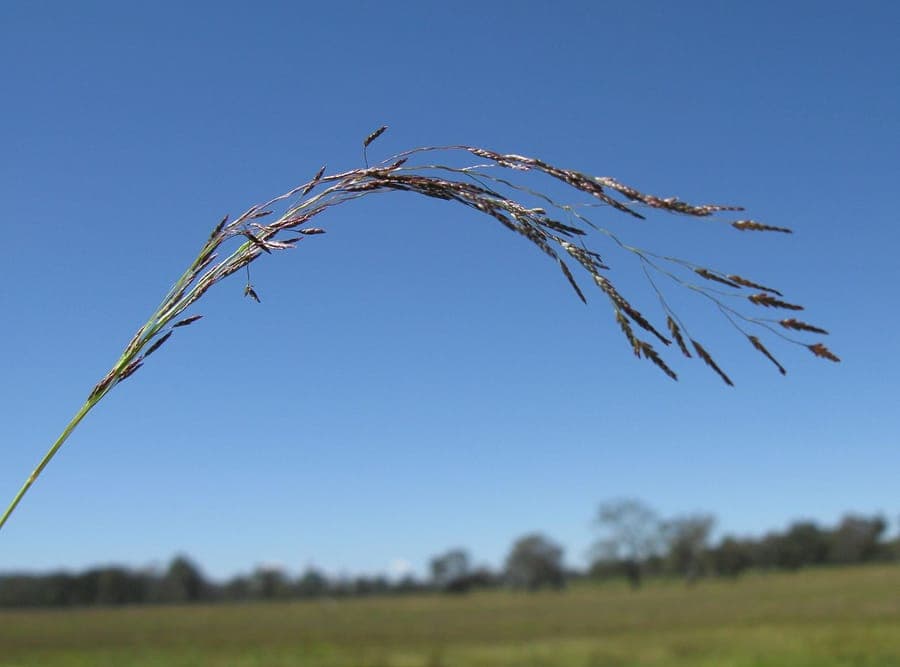
Macleay Grass Man / CC BY 2.0, via Wikimedia Commons
India love grass: complete guide
Eragrostis pilosa
Want to see India love grass: complete guide in your garden?
1 minute, no credit card
Overview
India love grass (Eragrostis pilosa) is a fine-textured, annual grass from the Poaceae family known for its delicate presence and resilience in tough conditions. Native to regions across South Asia, Africa, and Southeast Europe, it often appears spontaneously along roadsides, waste ground, and sandy soils. It's not a standout in terms of size or color, but it thrives where other plants struggle - making it a smart choice for naturalistic or low-input gardens.
In the UK and northern Europe, it occasionally shows up in cracks in pavements or on disturbed soils, a testament to its adaptability. For gardeners dealing with poor, dry soil or looking to add subtle movement to a sunny border, this grass offers quiet charm without demanding attention. On gardenworld.app, you can design a garden layout that works with spontaneous, self-sustaining plants like India love grass.
Appearance & bloom cycle
India love grass grows 20 to 40 cm tall, with a loose, airy habit. The foliage is narrow, soft, and light green, often covered in fine hairs - hence the name pilosa. From June to September, it produces delicate panicles of tiny purplish to silvery-gray flowers. These airy inflorescences sway gently in the breeze, catching the light and adding texture to the garden.
After flowering, the plant sets small dark seeds that disperse easily by wind. The entire plant dies back in late autumn but often remains upright through winter, providing visual interest and shelter for insects. Being annual, it relies on self-seeding to return each year.
Ideal location
This grass demands full sun - rate it a 9 or 10 on the light scale. It performs best in open, unshaded spots with minimal competition. Think dry slopes, gravel gardens, or between pavers in a sunny courtyard. It's excellent for xeriscaping or urban gardens with limited soil depth.
Avoid planting it in shady or damp corners. It won't compete well with vigorous perennials or grasses like Miscanthus. Instead, use it in minimalist designs where its lightness can shine. For inspiration on how to place it in tight urban spaces, check gardenworld.app's garden design tools.
Soil requirements
India love grass isn't picky about soil richness. It grows well in sandy, loamy, or calcareous soils with a pH between 7.5 and 8.0. The key is excellent drainage. It won't tolerate waterlogged conditions, especially in spring. If you have heavy clay, mix in grit or sharp sand to improve drainage.
It doesn't need fertilizer - in fact, rich soil may lead to weak, floppy growth. Avoid compost or manure. Lean soils encourage tighter, more upright growth and better flowering.
Free design
Want to see India love grass: complete guide in your garden? Make a free design now.
Watering
Once established, it needs almost no supplemental watering. Natural rainfall is usually sufficient, even during dry summers. Only water young seedlings during prolonged drought in June or July. Overwatering encourages rot and reduces hardiness.
Drip irrigation is unnecessary and may do more harm than good. This grass is built for dry conditions and performs best with minimal intervention.
Pruning
No pruning needed. As an annual, it completes its lifecycle naturally. You can cut back dead foliage in March to tidy up, but leaving it through winter supports wildlife. If you don't want it to spread, remove flower heads before seeds mature. But doing so sacrifices its ornamental value.
Maintenance calendar
- Jan–Feb: No action. Leave dead stems for winter habitat.
- Mar: Clear old growth if desired. Watch for seedlings.
- Apr: No feeding. Soil should be dry to warm.
- May: Self-seeding begins. Thin seedlings if crowded.
- Jun–Sep: Flowering period. No extra water.
- Oct–Dec: Plant dies. Seeds disperse or can be collected.
Winter hardiness
As an annual, India love grass doesn't survive winter as a mature plant. However, its seeds are cold-hardy and germinate in spring when soil temperatures exceed 12°C. It reliably reappears in USDA zones 7–11, especially in sheltered or urban microclimates.
In the UK (zone 8), expect it to return yearly if conditions are sunny and well-drained. In colder zones, sow fresh seed each spring.
Companion plants
Pair India love grass with drought-tolerant perennials like Sedum spectabile, Thymus praecox, or Nepeta faassenii. It works well with low-growing succulents such as Sempervivum or between stones with creeping Dianthus.
Avoid pairing with aggressive spreaders like bamboo or tall, dense grasses. Give it space to move and catch the wind. Good ground cover companions include Cerastium tomentosum or low Artemisia cultivars.
Young plants or seed packets are available at garden centres across the UK in spring. Look for them at local suppliers or independent nurseries. Seeds can also be collected in late summer.
Closing
India love grass may not grab attention, but it earns its place through reliability and low demands. It adds softness and motion to dry, sunny spots without asking for water, feed, or fuss. Use it as a filler in gravel beds, a companion to rock garden plants, or a surprise element in an urban patio. With realistic expectations, it becomes a dependable ally in creating a resilient, natural-looking garden.
Want to see India love grass: complete guide in your garden? Make a free design now.
Upload a photo, pick a style, and get a photorealistic design with plant list in under a minute.
No credit card required


Similar plants
Sporobolus pungens: complete guide
Sporobolus pungens
Sporobolus pungens is a stoloniferous Mediterranean coastal grass with outstanding salt and drought tolerance, perfect for seaside and dry gardens.
Mediterranean aegilops: complete guide
Aegilops biuncialis
Everything about Aegilops biuncialis, a Mediterranean annual grass with ornamental spikes and outstanding drought tolerance for dry gardens.
Silver bluestem: complete guide
Bothriochloa saccharoides
Full guide to Bothriochloa saccharoides (silver bluestem): site, soil, watering, winter hardiness, pruning, and garden companions.