
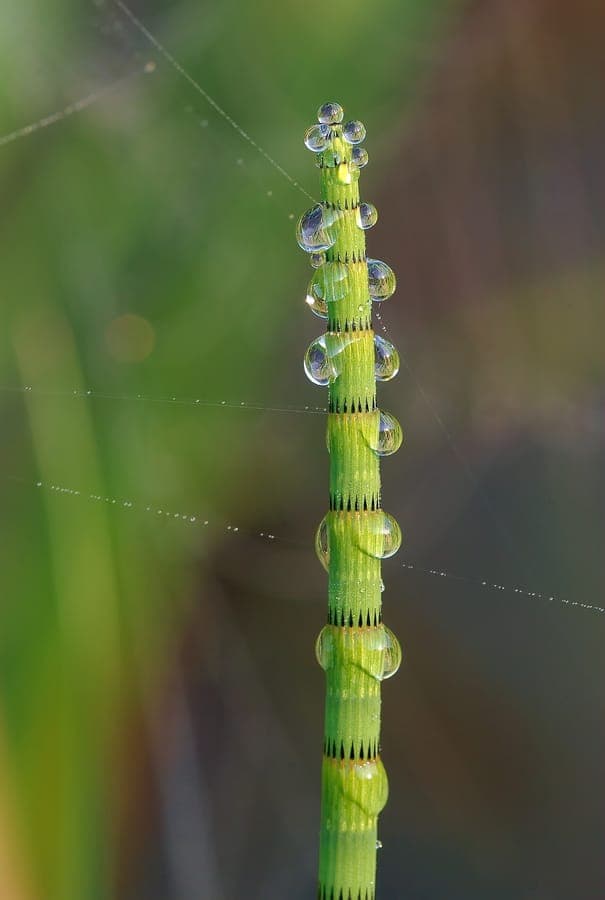
Luc Viatour / CC BY-SA 3.0, via Wikimedia Commons
River horsetail: complete guide
Equisetum fluviatile
Want to see River horsetail: complete guide in your garden?
1 minute, no credit card
Overview
River horsetail, or Equisetum fluviatile, is a striking aquatic fern native to cool temperate regions across North America, Europe, and Asia. In the wild, it grows along riverbanks, lake margins, and in shallow pond water. What sets it apart in the garden is its ancient lineage – this plant hasn't changed much in over 100 million years. That gives it a prehistoric charm, perfect for naturalistic water features.
In modern gardens, river horsetail works best in bog beds, pond margins, or containers submerged in water up to 10 cm deep. It spreads fast via rhizomes, so unless you want it taking over, plant it in a root barrier or pot. A quick layout on gardenworld.app can help you plan containment zones and ideal water depth for river horsetail in your backyard pond.
Appearance & bloom cycle
This horsetail forms upright, hollow, jointed stems that grow 60–120 cm tall. The stems are smooth, pale green, and segmented, with tiny scale-like leaves at each node. It doesn't produce flowers in the traditional sense. Instead, in late spring (May to June), fertile stems appear with brownish spore cones at the tips. These last a few weeks before giving way to the green, photosynthetic stems that dominate from June through September.
The foliage stays bright green all summer, with a bamboo-like texture. Unlike many pond plants, it doesn't bloom brightly, but its architectural form adds year-round interest. In autumn, stems yellow and collapse; by winter, they die back completely to the crown.
Ideal location
River horsetail needs plenty of light – a 7 out of 10 on the brightness scale. That means full sun to partial shade. For best results, plant it where it gets at least 5–6 hours of direct sunlight daily. Too much shade leads to weak, floppy growth.
It thrives in shallow water (up to 10 cm deep) or constantly saturated soil. A pond edge, bog filter, or rain garden is ideal. Avoid dry borders – this plant won't survive more than a few days without moisture. Use gardenworld.app to map out sun patterns and water depth zones in your garden to find the perfect spot for river horsetail.
Soil requirements
It prefers acidic soils with a pH between 4.5 and 6. Alkaline soils cause chlorosis and stunted growth. Use a mix of peat, sand, and loam for planting in containers. Avoid rich compost – river horsetail actually grows better in nutrient-poor substrates.
In a pot, use 2 parts peat moss and 1 part horticultural sand. Keep the surface moist at all times. A thin layer of clay at the bottom of a basket helps retain water without waterlogging.
Free design
Want to see River horsetail: complete guide in your garden? Make a free design now.
Watering
Constant moisture is non-negotiable. The roots must never dry out. In a pond, this isn't an issue. In a bog bed or container, check daily during hot weather. Dry spells can kill the plant within days.
Use rainwater if possible. Tap water often contains lime and chlorine, which can raise pH and harm the plant. Let tap water sit for 24 hours before using to allow chlorine to evaporate. Mist stems occasionally in summer to reduce stress.
Pruning
No flowering pruning needed, but late winter or early spring is the time to cut back dead foliage. Trim stems to 5 cm above the soil or water level. This keeps the planting neat and prevents decaying matter from fouling pond water.
Check for spreading rhizomes in spring. If growing in a confined space, slice off any runners escaping the pot with a sharp knife. This keeps growth under control.
Maintenance calendar
- January: Check root health; no action needed unless pot is frozen solid.
- February: Dormant period. No maintenance.
- March: Watch for new shoots. Remove any remaining old stems.
- April: Plant new divisions in shallow water or bog soil. Use root barriers if needed.
- May: Fertile stems with spore cones appear. Do not fertilize.
- June-August: Peak growing season. Monitor water levels daily in hot weather.
- September: Growth slows. Watch for rhizome spread.
- October: Stems begin to yellow. Prepare for cutback.
- November-December: Trim back and let plant rest.
Winter hardiness
River horsetail is extremely hardy, surviving down to -35°C (USDA zone 3). Top growth dies in winter, but rhizomes survive underwater or in wet soil. No mulch or protection needed, even in pots, as long as they stay wet.
In areas with prolonged ice cover, the plant may go dormant longer but returns in spring.
Companion plants
Pair with other moisture-loving plants like tussock sedge (Carex elata), purple loosestrife (Lythrum salicaria), or marsh marigold (Caltha palustris). These share similar water needs and create a cohesive waterside look.
Avoid invasive species like Japanese knotweed, which can overpower horsetail. In container water gardens, combine with dwarf irises or water forget-me-nots for contrast.
Closing
River horsetail is underrated in ornamental gardening. It's tough, low-maintenance, and adds unique texture. While aggressive, it's easy to manage with a pot or root barrier. Buy it in spring from garden centres like those at local nurseries or online retailers.
Use it where it belongs – not in formal beds, but in natural ponds, bog gardens, or rainwater basins. With the right spot, it'll return reliably for years. Plan your layout on gardenworld.app to see how river horsetail fits with your existing water features and sunlight exposure.
Want to see River horsetail: complete guide in your garden? Make a free design now.
Upload a photo, pick a style, and get a photorealistic design with plant list in under a minute.
No credit card required


Similar plants
Meadow horsetail: complete guide
Equisetum pratense
Meadow horsetail (Equisetum pratense): primitive spore-plant for wet meadows. Growing tips, management, and landscape design uses.
Common horsetail: complete guide
Equisetum arvense
Discover how to grow and care for Common horsetail (Equisetum arvense) in your garden, with tips on planting, watering, and controlling its spread in moist soils.
Great scouring-rush: complete guide
Equisetum hyemale
Complete growing guide for Great scouring-rush (Equisetum hyemale). Learn about care, ideal conditions, watering, and companion plants for this unique perennial.