
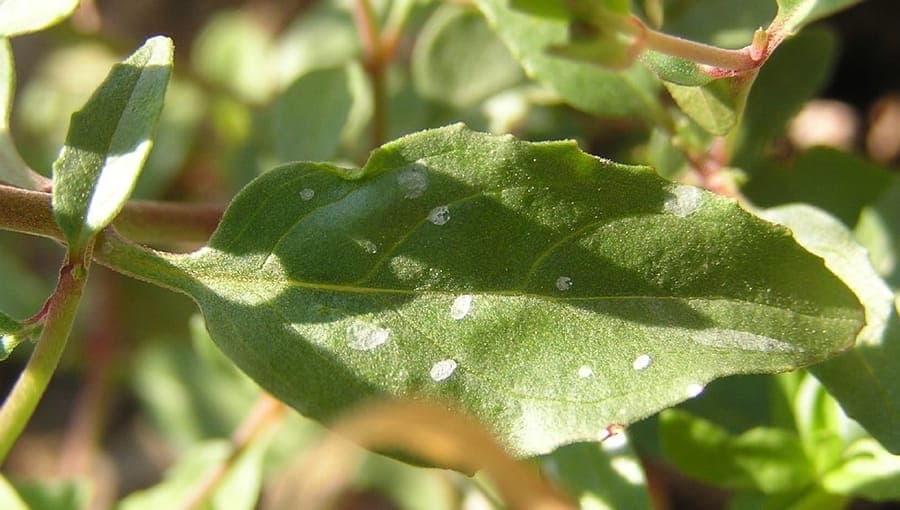
Original uploaded by Mbc (Transfered by PurpleHz) / CC BY-SA 3.0, via Wikimedia Commons
Spear-leaved willowherb: complete guide
Epilobium lanceolatum
Want to see Spear-leaved willowherb: complete guide in your garden?
1 minute, no credit card
Overview
Epilobium lanceolatum, commonly known as spear-leaved willowherb, is a quiet achiever in the garden. It won't grab attention with bold color or height, but it thrives where many plants struggle - in consistently moist, acidic soil. As a member of the Onagraceae family, it shares traits with evening primroses but keeps a much lower profile. This perennial or biennial herb is native to parts of Europe, including France, Austria, and the Balkans, and adapts well to temperate garden zones.
In the wild, it grows along stream banks, damp meadows, and wet woodland edges. In gardens, it's underused despite its resilience and value to pollinators. It's not aggressive like some willowherbs, making it a safe choice for mixed borders. On gardenworld.app, you can design a planting scheme that integrates spear-leaved willowherb into low-lying, damp areas of your garden, pairing it with compatible moisture-loving species.
Appearance & bloom cycle
Spear-leaved willowherb reaches 30 to 80 cm in height, with upright, slightly hairy stems. The leaves are narrow and lance-shaped - typically 4 to 8 cm long - with a dark green hue and faint serration along the margins. They're arranged alternately along the stem, giving the plant a tidy, vertical form.
From June through September, it produces small, four-petaled flowers in shades of white to soft purple. Each flower is about 1 cm across, with prominent stamens and a central style that adds contrast. Though individual blooms last only a day, new ones open daily, ensuring a continuous display. The flowering period can stretch over 14 weeks in ideal conditions.
After blooming, seed capsules form and split open to release fine, fluffy seeds. These are dispersed by wind but don't travel far, preventing unwanted spread. This makes Epilobium lanceolatum a self-respecting garden resident, not a runaway colonizer.
Ideal location
This plant prefers a light level of 6 out of 10 - meaning partial shade to light sun. A spot with morning sun and afternoon shade works best, especially in zones with hot summers. Avoid full south-facing exposure, which dries out the soil too quickly.
It's ideal for damp borders, the edge of a pond, or a bog garden. It also performs well as understory in open woodland plantings. Pair it with ferns, hostas, or carex in a shaded, moist corner. On gardenworld.app, you can simulate these conditions digitally and plan a moisture zone where spear-leaved willowherb complements taller grasses and groundcovers.
Soil requirements
Soil must be consistently moist and acidic, with a pH between 4.5 and 5. It thrives in humus-rich loam or sandy clay that retains water but drains slightly. Avoid alkaline soils - this plant shows chlorosis (yellowing leaves) when pH rises above 5.5.
If your soil is too neutral or chalky, amend it with peat-free ericaceous compost or pine needle mulch to acidify it. A 5 cm layer of organic mulch in spring helps retain moisture and suppress weeds.
Free design
Want to see Spear-leaved willowherb: complete guide in your garden? Make a free design now.
Watering
Keep the soil damp at all times. During dry spells, water deeply two to three times a week, preferably in the early morning or evening. Use rainwater if possible - tap water, especially in hard water areas, can raise pH over time.
In a bog garden or near a pond, natural seepage may be enough. But in containers or raised beds, monitor moisture closely. Stick your finger 5 cm into the soil - if it feels dry, it's time to water.
Pruning
Pruning is minimal. Deadhead spent flowers if you want to prevent self-seeding, though this isn't usually a problem. In late autumn, cut back dead stems to ground level for a tidy appearance, or leave them until spring to provide winter structure and shelter for insects.
If you want the plant to reseed gently, leave a few stems intact. New seedlings typically appear in April or May, 30 cm around the parent plant.
Maintenance calendar
- March – April: Clear old growth. Divide clumps if needed. Add ericaceous compost.
- May: Monitor for slugs on new shoots. Keep soil moist.
- June – September: Peak bloom. Water regularly. Deadhead if desired.
- October: Cut back or leave for winter interest.
- November – February: No action required. Dormant period.
Winter hardiness
Epilobium lanceolatum is hardy to USDA zone 5 (-20°C to -10°C). It survives winter as seed or basal rosettes. Mulching with leaf litter or pine needles in late autumn improves overwintering success, especially in exposed sites.
In colder microclimates, a light cover of horticultural fleece can protect young rosettes from frost heave.
Companion plants
Choose plants with matching moisture and light needs:
- Carex vulgata (common sedge)
- Filipendula rubra (queen of the prairie)
- Astilbe spp. (false spirea)
- Eutrochium maculatum (spotted Joe-Pye weed)
- Molinia caerulea (purple moor grass)
These create a layered, naturalistic planting that supports insects and provides seasonal texture.
Closing
Spear-leaved willowherb is a low-key but valuable addition to any garden with wet areas. It's not flashy, but it's reliable, long-blooming, and supports biodiversity. You won't find it in every garden centre, but specialist nurseries and online suppliers often carry it.
Look for it at garden centres across the UK and Europe, or check Truffaut and Jardiland in France, OBI and Hornbach in Germany. In the UK, try local native plant suppliers. And if you're planning a damp border, use gardenworld.app to map out a planting layout where spear-leaved willowherb fits perfectly.
Want to see Spear-leaved willowherb: complete guide in your garden? Make a free design now.
Upload a photo, pick a style, and get a photorealistic design with plant list in under a minute.
No credit card required


Similar plants
Shortfruit evening primrose: complete guide
Oenothera brachycarpa
Everything about Oenothera brachycarpa - the shortfruit evening primrose from the American Southwest. Growing tips, placement and care for your garden.
Sundrops (Oenothera tetragona): complete guide
Oenothera tetragona
Everything about Oenothera tetragona - the cheerful daytime-blooming sundrops perennial. Growing tips, placement, pruning and care for a long summer display.
Seabeach evening primrose: complete guide
Oenothera humifusa
Full guide to Oenothera humifusa, the seabeach evening primrose native to the US Atlantic coast. Yellow blooms, silvery foliage, drought-tolerant.