
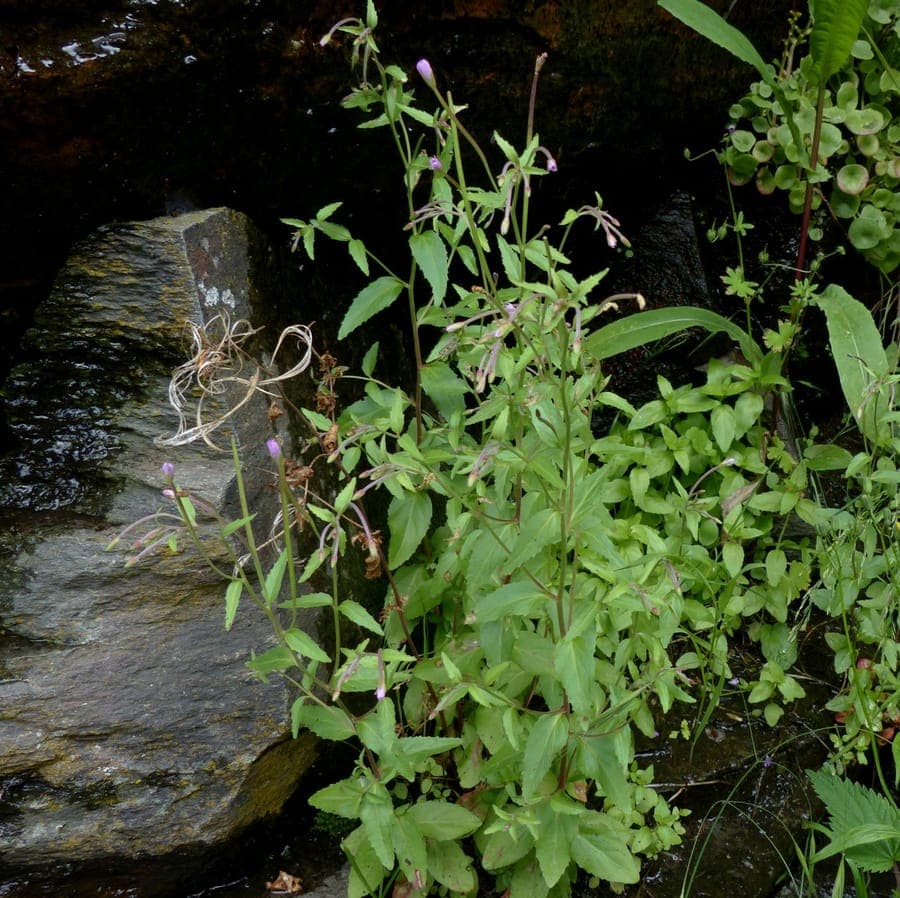
Jean-Claude Bouzat / CC BY-SA 2.0 fr, via Wikimedia Commons
Cliff willowherb: complete guide
Epilobium collinum
Want to see Cliff willowherb: complete guide in your garden?
1 minute, no credit card
Overview
Cliff willowherb (Epilobium collinum) isn't flashy, but it's a quiet achiever in the garden. A member of the Onagraceae family, it's native to rocky hillsides and open slopes across Central and Southern Europe - from Austria to Albania and the Baltic States. While not indigenous to the UK or Ireland, it thrives in similar temperate climates. Standing between 30 and 50 cm tall, this perennial brings a lean, upright structure to dry, sunny spots. It's not the kind of plant that shouts for attention, but once you spot it in bloom, you'll appreciate its subtle charm and resilience.
Appearance & bloom cycle
Cliff willowherb has slender, erect stems with narrow, lance-shaped leaves arranged oppositely along the stem. Each leaf is 3 to 6 cm long, dark green, and slightly toothed. From July through September, it produces small, four-petaled purple flowers, roughly 1.5 cm in diameter. The blooms open in the morning and close by late afternoon, lasting just a single day, but new buds open daily, ensuring a long display. After flowering, seed capsules form and split open to release fine, silky seeds that float on the breeze - a natural propagation method you can manage by deadheading.
Ideal location
Plant in full sun - at least 6 hours of direct light daily. It tolerates light afternoon shade but blooms best in open, sunny areas. Ideal spots include rock gardens, gravel beds, dry retaining walls, or between paving stones with good drainage. Avoid shaded, damp corners. Because it thrives in thin, poor soils, it's a top pick for urban gardens or challenging slopes. Use gardenworld.app to design a low-water garden scheme that highlights the airy texture of cliff willowherb alongside other drought-tolerant species.
Soil requirements
The key is drainage. Cliff willowherb needs sharply draining soil - sandy, gritty, or even chalky. A pH between 7.0 and 7.8 is ideal. Avoid heavy clay or rich, moisture-retentive compost. A mix of horticultural grit, coarse sand, and a little topsoil works well. In containers, use a cactus or alpine mix with added perlite. It's not fussy about nutrients, so skip fertiliser. In fact, too much fertility leads to floppy growth and fewer flowers.
Watering
Once established, cliff willowherb is extremely drought-tolerant. Water sparingly during the first growing season (May–June), only when the soil is completely dry. After that, rely on rainfall. Overwatering is the fastest way to kill it - especially in winter. During heatwaves, a light morning sprinkling is enough. If the leaves start to yellow or wilt despite dry soil, check for root rot. This plant is built for neglect, not coddling.
Free design
Want to see Cliff willowherb: complete guide in your garden? Make a free design now.
Pruning
No formal pruning needed. However, cutting back spent flower stems in September helps keep the plant tidy and reduces self-seeding. If you want more plants next year, leave a few stems to drop seed. Use clean, sharp secateurs to prevent disease. Do not cut into old wood - it doesn't regenerate well from bare stems. Remove any damaged or diseased growth promptly.
Maintenance calendar
- Jan: Check for winter damage; remove dead stems if needed.
- Feb: No action required.
- Mar: Loosen surface soil lightly; avoid deep cultivation.
- Apr: Watch for new shoots. No feeding needed.
- May: Plant new specimens in well-drained soil. Water lightly during establishment.
- Jun: Monitor for dry spells; water only if essential.
- Jul: Bloom begins. Watch for aphids or slugs.
- Aug: Peak flowering. Minimal intervention - let it do its thing.
- Sep: Cut back old stems after flowering. Collect seeds if desired.
- Oct: Transplant any seedlings to preferred spots.
- Nov: Clear fallen debris; protect container plants if needed.
- Dec: Dormant period. No care required in hardiness zones.
Winter hardiness
Hardy in USDA zones 5 to 8 (down to -20°C). In most of the UK, Ireland, and northern US, it survives winter without protection. Leave old stems intact for winter insulation. In wet, heavy soils, mulch with gravel to improve drainage and reduce rot risk. For potted plants, elevate the container or wrap it in hessian to prevent root freeze-thaw cycles.
Companion plants
Pair cliff willowherb with other sun-loving, dry-soil plants: Sedum 'Autumn Joy', Thymus serpyllum, Echinacea purpurea, or Stachys byzantina. These share similar needs and create a naturalistic, low-maintenance planting scheme. Avoid aggressive spreaders like mint or moisture-lovers like hostas. Use the companion planner on gardenworld.app to test visual balance and growing compatibility with your existing borders.
Closing
Cliff willowherb is a no-fuss perennial that delivers steady colour and structure from midsummer to early autumn. It won't dominate the border, but it adds grace and resilience. Look for it at garden centres like those stocking alpine or rock garden plants. Independent nurseries and larger chains often carry it in summer. As water-wise gardening grows in popularity, this understated plant is earning its place in modern, sustainable designs.
Want to see Cliff willowherb: complete guide in your garden? Make a free design now.
Upload a photo, pick a style, and get a photorealistic design with plant list in under a minute.
No credit card required


Similar plants
Shortfruit evening primrose: complete guide
Oenothera brachycarpa
Everything about Oenothera brachycarpa - the shortfruit evening primrose from the American Southwest. Growing tips, placement and care for your garden.
Sundrops (Oenothera tetragona): complete guide
Oenothera tetragona
Everything about Oenothera tetragona - the cheerful daytime-blooming sundrops perennial. Growing tips, placement, pruning and care for a long summer display.
Seabeach evening primrose: complete guide
Oenothera humifusa
Full guide to Oenothera humifusa, the seabeach evening primrose native to the US Atlantic coast. Yellow blooms, silvery foliage, drought-tolerant.