
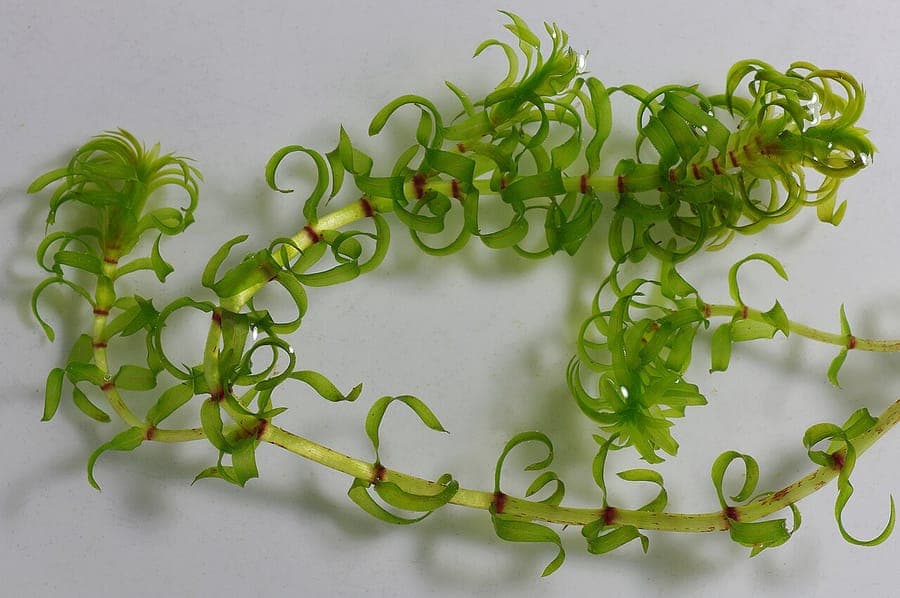
Christian Fischer / CC BY-SA 3.0, via Wikimedia Commons
Nutall waterweed: complete guide
Elodea nuttallii
Want to see Nutall waterweed: complete guide in your garden?
1 minute, no credit card
Overview
Elodea nuttallii, commonly known as Nutall waterweed, is a submerged aquatic perennial that thrives in freshwater ponds, streams, and aquariums. Native to parts of North America including California, Colorado, and Illinois, it's now widely used in garden ponds across temperate zones. It belongs to the Hydrocharitaceae family and is prized for its ability to oxygenate water and support aquatic life. If you're designing a pond, gardenworld.app lets you simulate plant layouts so Nutall waterweed integrates seamlessly with other species.
This plant spreads rapidly through stem fragments, so while it's easy to grow, it can dominate a water feature if unchecked. Still, its benefits - including algae suppression and habitat creation - make it a go-to for pond keepers. Just remember: control is key.
Appearance & bloom cycle
Nutall waterweed features long, flexible stems that can reach up to 100 cm in length. The leaves are dark green, narrow (1–1.5 cm long, 2–3 mm wide), and arranged in whorls of three to four around the stem. They have finely serrated edges, visible under close inspection. The plant grows densely, forming thick underwater thickets.
Flowering occurs in mid-summer, typically from June to August. Tiny white flowers, about 3–4 mm across, emerge at the stem tips and float on the water surface. Blooms are more common in full sun and stable water conditions. However, flowering is rare in aquariums or shaded ponds.
Ideal location
Nutall waterweed grows best in still to slow-moving freshwater with 7 hours of sunlight daily (light level 7/10). It performs well in pond depths of 20–100 cm, but shows strongest growth in shallower zones (20–50 cm). Position it in full sun to partial shade - south or southeast-facing spots work best in temperate climates.
Avoid areas with strong currents or wave action, which can tear stems. In garden ponds, plant it in submerged pots or net baskets to contain spread. Use gardenworld.app to design a balanced water garden layout where Nutall waterweed complements marginal and floating plants without overcrowding.
Soil requirements
While this plant can float freely, anchoring it in a light substrate promotes stability and faster growth. Use a mix of aquatic compost, sand, and clay (ratio 2:1:1) in submerged pots. Avoid heavy soils that compact and suffocate roots. A pH between 6.5 and 7 is ideal - test monthly with a liquid kit.
In nutrient-poor water, consider slow-release aquatic fertilizer tablets inserted near the base. Over-fertilizing leads to excessive growth, so use sparingly.
Free design
Want to see Nutall waterweed: complete guide in your garden? Make a free design now.
Watering
As a fully submerged species, Nutall waterweed doesn't need traditional watering. Instead, maintain clean, dechlorinated water. Replace 10–20% weekly in aquariums; in ponds, ensure good circulation with a fountain or filter. Use rainwater or let tap water sit for 24 hours to dissipate chlorine.
Keep water temperatures between 10–25°C. Above 25°C, growth accelerates; below 5°C, the plant enters dormancy. In hot summers, top up with cool water to prevent overheating.
Pruning
Pruning is essential - this plant can grow 8–10 cm per week in peak season. Trim stems to 30–60 cm to prevent surface crowding. Cut with sharp scissors just above a leaf node to encourage branching.
Dispose of clippings responsibly: never dump in natural waterways. Compost or seal in a bag for trash. Reuse healthy cuttings by anchoring them in new pots - one fragment can start a whole new patch.
Maintenance calendar
- January–February: Dormant. Minimal growth. Remove dead stems if accessible.
- March: Check for new shoots. Begin light feeding.
- April: Plant new cuttings once water hits 10°C. Ideal for repotting.
- May–August: Active growth. Prune weekly. Monitor pH and light.
- September: Reduce pruning. Allow some growth for winter.
- October–December: Dieback begins. Trim excess. Submerge deeply for winter survival.
Winter hardiness
Nutall waterweed is hardy in USDA zones 5–10. In zones 5–7, it survives winter if submerged below the frost line (60+ cm depth). Top growth dies, but roots and lower stems persist. In colder zones or shallow containers, bring potted plants indoors or treat as annuals.
In heated aquariums, it remains evergreen year-round. Unheated tanks may see dieback, but regrowth occurs in spring.
Companion plants
Pair Nutall waterweed with water lilies (Nymphaea spp.), pickerelweed (Pontederia cordata), and dwarf umbrella papyrus (Cyperus haspan). These share similar light and pH needs without competing aggressively.
Avoid invasive species like parrot's feather (Myriophyllum aquaticum), which can outcompete it. In aquariums, cohabit with danios, tetras, or snails - they won't damage the plant.
Closing
Nutall waterweed is a powerhouse in any aquatic setup - fast-growing, oxygenating, and low-maintenance. But its vigor demands attention. Regular pruning and responsible disposal keep it in check. Buy from reputable garden centres that sell certified stock to avoid introducing contaminants.
Use it wisely: it's not just a plant, but a living filter. Whether in a backyard pond or indoor tank, proper placement makes all the difference. Plan your layout ahead with gardenworld.app to ensure balance, beauty, and control.
Want to see Nutall waterweed: complete guide in your garden? Make a free design now.
Upload a photo, pick a style, and get a photorealistic design with plant list in under a minute.
No credit card required


Similar plants
Najas gracillima: complete guide
Najas gracillima
Discover Slender Waternymph, a delicate water plant for aquariums and ponds. Nutrition, growth, and aquascaping explored.
Ottelia alismoides: complete guide
Ottelia alismoides
Learn how to grow Duck-lettuce in aquariums and water gardens. Tips for growth, water conditions and care of this aquatic plant.
Hydrilla verticillata: complete guide
Hydrilla verticillata (L.f.) Royle
Discover Florida elodea, a fascinating submerged aquatic plant for ponds and aquariums. Complete growing and care guide.