
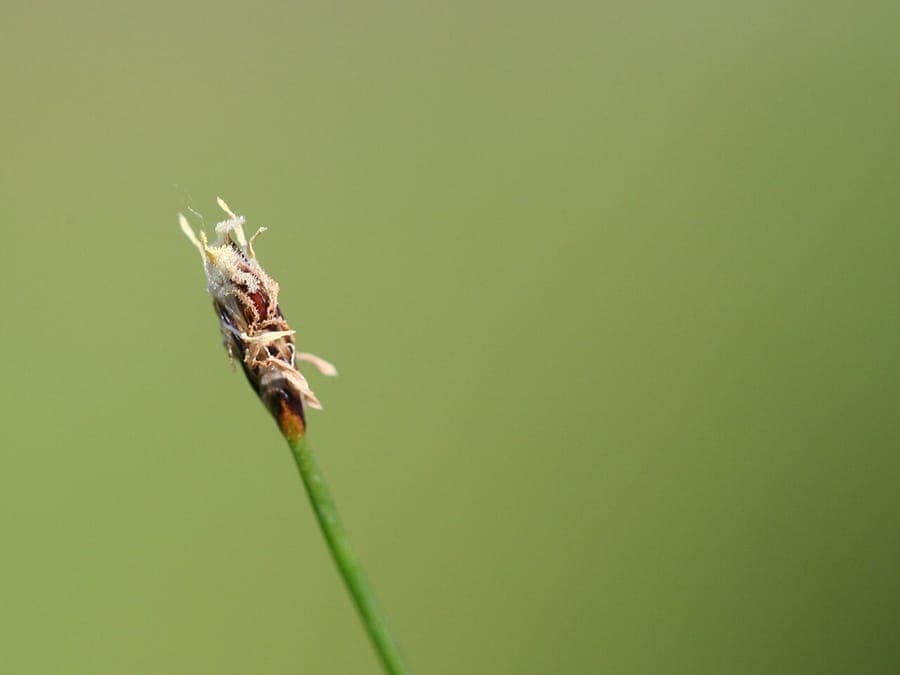
Kristian Peters -- Fabelfroh 07:18, 1 July 2007 (UTC) / CC BY-SA 3.0, via Wikimedia Commons
Needle spike-rush: complete guide
Eleocharis acicularis
Want to see Needle spike-rush: complete guide in your garden?
1 minute, no credit card
Overview
Eleocharis acicularis, commonly known as needle spike-rush, is a delicate, grass-like perennial from the Cyperaceae family. Native to wetlands across North America, Europe, and parts of Asia, it thrives in consistently moist to submerged conditions. In garden design, it's prized for its ability to form tight, moss-like mats in shallow water edges, bog gardens, or damp borders. Its fine, needle-shaped stems bring texture and softness to water features without overwhelming other plants.
If you're planning a wetland-style garden, gardenworld.app offers design templates where needle spike-rush is used to transition between open water and terrestrial zones. It's a go-to for gardeners dealing with soggy patches where most plants struggle to survive.
Appearance & bloom cycle
Needle spike-rush grows in dense tufts, reaching 5 to 15 cm in height, occasionally up to 20 cm in optimal conditions. The stems are slender, cylindrical, and bright green, resembling fine hair or moss. They grow vertically and closely spaced, forming a lush, carpet-like ground cover.
Flowering occurs from June to August. The blooms are inconspicuous - small, oval-shaped spikelets about 1–2 mm long, appearing at the stem tips in dark brown or chestnut tones. Pollination is wind-driven; bees and insects aren't typically involved. While the flowers aren't showy, the plant's overall texture provides visual interest throughout the growing season.
Ideal location
This plant needs a spot with plenty of light - around 7 out of 10, meaning full sun to light shade. It performs best in full sun, where it forms the densest growth. In deeper shade, stems may stretch and thin out. The key requirement is consistent moisture: the soil should never dry out.
Ideal placements include the margins of ponds (up to 5 cm of standing water), bog gardens, or damp areas near downspouts or streams. It also works well in rain gardens or wildlife ponds. Pair it with plants like Eriophorum, Carex vulpinoidea, or water forget-me-not for a naturalistic look. For inspiration, gardenworld.app features planting schemes that integrate needle spike-rush into low-maintenance, ecologically sound water gardens.
Soil requirements
Needle spike-rush isn't picky about soil fertility but demands moist, humus-rich substrates. A mix of sandy loam, clay, or peat-based soil works well, as long as drainage is slow and moisture retention high. The ideal pH range is 4.5 to 7.
In ponds, use heavy garden soil or aquatic planting medium - avoid compost-rich mixes that can fuel algae growth. Plant in mesh baskets to contain spread and prevent root washout. Out of water, ensure the soil stays damp at all times; mulching with leaf litter helps retain moisture.
Free design
Want to see Needle spike-rush: complete guide in your garden? Make a free design now.
Watering
This is a semi-aquatic plant. During the growing season (April to October), keep the soil saturated. In water gardens, it can grow fully submerged up to 5 cm deep. On land, water daily during dry spells, especially in full sun. Use rainwater when possible - tap water with high lime content can raise pH and encourage algae.
Avoid letting the plant dry out, even briefly. Needle spike-rush recovers poorly from drought stress, and mats may thin or die back.
Pruning
Pruning is rarely needed. In late winter or early spring, gently rake through old, brown stems with a fine-tooth comb or soft brush to remove debris and encourage fresh growth. Don't use shears - the stems are too fine and can be damaged.
Remove dead foliage to prevent fungal issues, especially in humid conditions. Do not compost diseased material; dispose of it in general waste to avoid spreading pathogens.
Maintenance calendar
- January: Dormant. Check for ice damage in containers.
- February: Begin light cleanup. Remove old growth if accessible.
- March: Final prep for growth. Divide clumps if overcrowded.
- April: Growth resumes. Maintain constant moisture.
- May: Rapid growth. Watch for algae competition.
- June: Blooming starts. No feeding required.
- July: Peak season. Water daily in heatwaves.
- August: Flowers fade. No pruning needed.
- September: Growth slows. Reduce watering slightly.
- October: Prepare for dormancy. Leave foliage for habitat.
- November: Dormancy sets in. Protect container plants.
- December: Fully dormant. Mulch or cover in extreme cold.
Winter hardiness
Needle spike-rush is hardy in USDA zones 5 to 9. In the UK and most of the US, it survives winter outdoors, especially when submerged or in wet soil. Above-ground parts may turn brown, but roots remain alive.
In zone 5, protect container-grown plants with mulch or move to a cold greenhouse. In areas with prolonged ice cover, prevent complete freezing of water bodies to avoid root suffocation.
Companion plants
Pair with moisture-loving species like Mentha aquatica, Iris laevigata, or Hydrocotyle vulgaris. In ponds, combine with water hawthorn or frogbit. Avoid invasive spreaders like parrot's feather or creeping buttercup.
The fine texture of needle spike-rush contrasts beautifully with bold foliage like hostas or umbrella plants. Use it as an edging plant to soften hardscapes.
You'll find Eleocharis acicularis at most garden centres, especially those with aquatic sections. Look for healthy, green clumps - avoid those with slimy or foul-smelling roots.
Closing
Needle spike-rush is a quiet achiever in the water garden. It asks for little - just consistent moisture and decent light - yet delivers a lot in texture, habitat value, and visual softness. It's perfect for filling in wet corners, stabilising muddy banks, or adding detail to pond edges.
Whether you're building a bog garden or rehabilitating a soggy lawn, this plant earns its place. And with gardenworld.app, you can sketch out a plan where needle spike-rush fits seamlessly into your overall design, enhancing both beauty and biodiversity.
Want to see Needle spike-rush: complete guide in your garden? Make a free design now.
Upload a photo, pick a style, and get a photorealistic design with plant list in under a minute.
No credit card required


Similar plants
Flat-stemmed club-rush: complete guide
Bolboschoenus planiculmis
Everything about Bolboschoenus planiculmis: growing conditions, watering, care, and use as a pond margin or wetland plant in garden design.
Great Plains flatsedge: complete guide
Cyperus lupulinus
Everything about Great Plains flatsedge (Cyperus lupulinus): growing conditions, care, garden uses, and ecological value. Tips for pond margins and dry sandy soils.
Golden beak sedge: complete guide
Rhynchospora corymbosa
Everything about golden beak sedge (Rhynchospora corymbosa): a dramatic tropical marginal for pond edges, bog gardens, and wet habitats.