
Wasp32 / CC BY 4.0, via Wikimedia Commons
Spinulose woodfern: complete guide
Dryopteris carthusiana
Want to see Spinulose woodfern: complete guide in your garden?
1 minute, no credit card
Overview
The spinulose woodfern (Dryopteris carthusiana) is a graceful, clump-forming fern native to woodlands across Europe, North America, and parts of Asia. In garden settings, it thrives in cool, shaded areas where few other perennials succeed. This hardy, herbaceous plant reaches 30–60 cm in height and spreads slowly via rhizomes, forming dense, arching mounds of textured foliage. It's a top choice for naturalistic planting schemes and works beautifully in shaded borders, woodland gardens, or under deciduous trees.
On gardenworld.app, you can design a shaded garden layout that highlights the texture and form of the spinulose woodfern, pairing it with complementary plants and ensuring ideal growing conditions from the start.
Appearance & bloom cycle
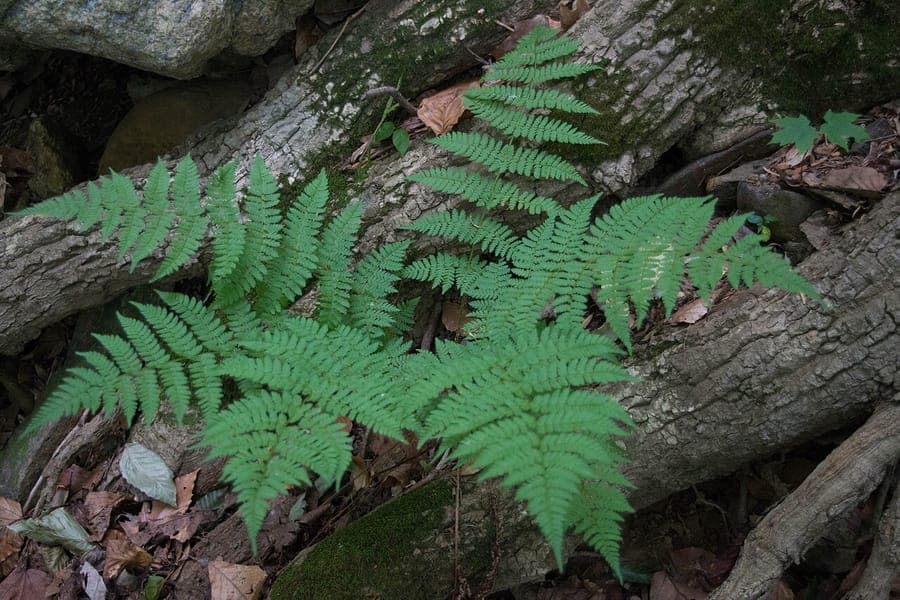
The fronds of the spinulose woodfern emerge in spring as tightly coiled fiddleheads, slowly unfurling into finely divided, lance-shaped leaflets. The fronds are 2–3 pinnate, with dark brown, scaly stipes that contrast beautifully against the deep green, matte-textured blades. Mature fronds reach 30–60 cm long and form an elegant, vase-shaped clump.
Like all ferns, it doesn't bloom in the traditional sense. Instead, from June through September, it produces spores on the undersides of fertile fronds. These appear as small, round sori arranged in two rows beneath the edge of each pinna, turning from green to rust-brown as they mature. While not showy, this reproductive phase adds subtle seasonal interest.
Ideal location
This fern prefers partial to full shade-rated 3 on a 1–10 light scale. It thrives in north- or east-facing slopes, under tree canopies, or along woodland edges. Avoid hot, south-facing sites where direct sun can scorch the fronds. It also performs well in urban gardens with limited light, such as courtyards or shaded patios.
If you're unsure about light levels in your garden, use gardenworld.app to map sun exposure and find the perfect spot for your spinulose woodfern.
Soil requirements
Grow in humus-rich, moist but well-drained soil with a pH between 5.0 and 5.5. The spinulose woodfern dislikes waterlogged or compacted soils. Amend heavy clay with leaf mould or composted bark to improve structure. In sandy soils, mix in organic matter to boost moisture retention.
It naturally grows in acidic to slightly acidic conditions, so avoid liming the soil. If your soil is alkaline, consider growing it in a raised bed with ericaceous compost.
Watering
Keep the soil consistently moist, especially during the first growing season and in dry spells. Water deeply once or twice a week during summer droughts, using rainwater when possible to prevent lime buildup. Check moisture by inserting your finger 5 cm into the soil-water if it feels dry.
Avoid overhead watering in the evening to reduce fungal risk. A drip irrigation system or soaker hose works well for maintaining even moisture without wetting the fronds.
Free design
Want to see Spinulose woodfern: complete guide in your garden? Make a free design now.
Pruning
This fern requires minimal pruning. In early spring, remove any tattered, brown, or damaged fronds to make way for new growth. Cut back close to the base with clean, sharp shears. Avoid cutting healthy green fronds in autumn, as they help insulate the crown over winter and recycle nutrients.
Leave the debris on-site if disease-free-it decomposes slowly and enriches the soil naturally.
Maintenance calendar
- January: Check for winter damage. Keep area free of debris.
- February: Begin clearing old fronds if weather is dry.
- March: Clear space for emerging fiddleheads. Add a light mulch of leaf mould.
- April: Watch for slugs and snails on new shoots.
- May: Maintain moisture; monitor soil dampness.
- June–September: Spore development; no extra care needed unless drought occurs.
- October: Leave fronds intact for winter protection.
- November–December: Minimal intervention. Avoid fertilizing.
Winter hardiness
The spinulose woodfern is hardy in USDA zones 4–8. It's semi-evergreen in milder climates, retaining most fronds through winter. In colder zones, foliage may die back but the rhizome survives frost and snow cover. No mulch is required, though a light leaf litter layer can help in exposed sites.
It withstands temperature drops to -30°C when established, making it reliable even in harsh winters.
Companion plants
Pair with other shade-loving perennials like Helleborus, Hosta, Tiarella, or Carex. The fine texture of the woodfern contrasts well with bold-leaved Hostas or the architectural form of Ligularia. For a wilder look, combine with spring ephemerals like Bloodroot (Sanguinaria canadensis) or Trillium.
Avoid invasive spreaders like mint or goutweed, which can overwhelm the fern's slow growth. Plant in groups of 3–5 for best visual impact.
Closing
The spinulose woodfern is a resilient, low-maintenance fern that brings elegance and year-round structure to shaded gardens. Its adaptability to cool, moist conditions and resistance to pests make it a smart choice for both novice and experienced gardeners.
You can find Dryopteris carthusiana at garden centres across the UK and North America, often labeled as spinulose woodfern or toothed woodfern. Look for healthy plants in 9–11 cm pots. With proper siting and care, it will thrive for years with little intervention.
Use gardenworld.app to create a custom planting plan that integrates this fern into your garden's unique microclimate and aesthetic. Whether you're designing a woodland retreat or a modern shaded courtyard, the spinulose woodfern earns its place.
Want to see Spinulose woodfern: complete guide in your garden? Make a free design now.
Upload a photo, pick a style, and get a photorealistic design with plant list in under a minute.
No credit card required


Similar plants
Dryopteris sieboldii: complete guide
Dryopteris sieboldii
Discover Dryopteris sieboldii (Siebold's Buckler Fern), an elegant evergreen fern from Asia. Growing tips, care, and uses in shade gardens.
Dryopteris tyrrhena: complete guide
Dryopteris tyrrhena
Discover Dryopteris tyrrhena (Mediterranean Buckler-fern), a rare and exquisite fern species. Growing tips, care, and shade garden design.
Dryopteris villarii: complete guide
Dryopteris villarii
Dryopteris villarii, known as rigid buckler fern, is a shade-loving fern form from the Alps. Discover how to grow and maintain this elegant alpine fern in your garden.