
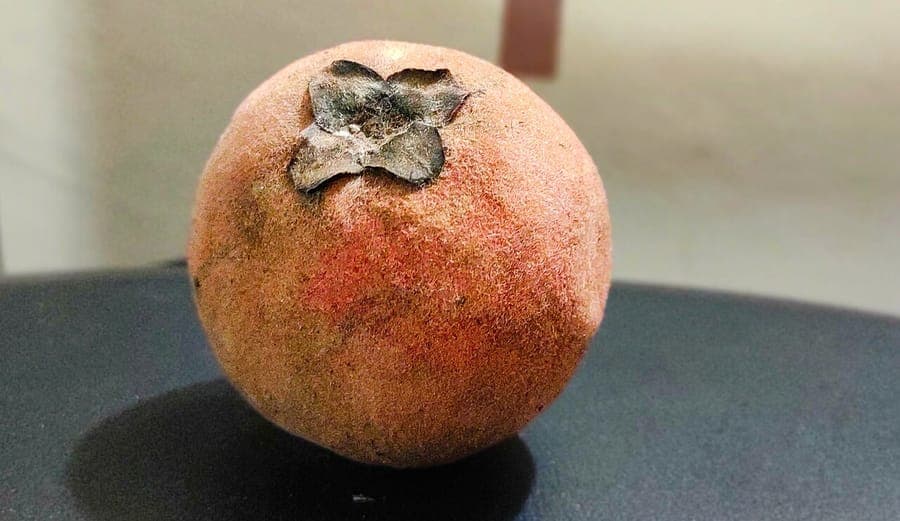
Shahidul Hasan Roman / CC BY-SA 4.0, via Wikimedia Commons
Mabolo: complete guide
Diospyros discolor
Want to see Mabolo: complete guide in your garden?
1 minute, no credit card
Diospyros discolor, commonly known as Mabolo or Velvet-apple, is a fascinating tropical fruit tree belonging to the Ebenaceae family. Native primarily to the Philippines, Indonesia, and lower Malaysia, this species was formally described by Willd. in 1806. It is celebrated for its distinctive velvet-textured fruits and rich, creamy fruit flesh.
The tree typically achieves heights of 8 to 15 meters, developing a compact, rounded canopy structure. Leaves are lanceolate to elliptical, glossy dark green, measuring 8 to 15 centimeters in length. The tree produces small, inconspicuous spring flowers with subtle fragrance. Following pollination, distinctive fruits develop over several months.
Mabolo fruits are round to oval, approximately 5 to 8 centimeters in diameter, characterized by distinctive velvety surfaces ranging from deep red through purple to yellow-orange. This velvety exterior is a defining characteristic, hence the English nomenclature Velvet-apple. The interior flesh is pale yellow to white, sweet, and creamy with subtle aromatic notes. Each fruit contains several large seeds.
Mabolo thrives optimally in tropical and subtropical climates. The tree displays poor frost tolerance and requires temperatures between 15 and 35 degrees Celsius for proper development. Limited cultivation occurs in Mediterranean climates within protected locations.
The tree demands full sun exposure for optimal growth and fruit production. Plant in locations receiving minimum six hours direct daily sunlight. In tropical climates, partial afternoon shade may benefit performance during extreme heat periods.
Soil preparation proves essential for success. Mabolo performs best in well-draining loam with pH ranging from 5.5 to 7.0. The tree adapts to sandy, loamy, and clay soils provided drainage remains excellent. Incorporate generous quantities of compost and organic matter before planting.
Watering requires consistency throughout the growing season, particularly during dry periods. The tree appreciates consistently moist soil without waterlogging. Following establishment, mature trees demonstrate improved drought tolerance. Drip irrigation produces optimal results in tropical climates.
Fertilization should occur three to four times annually for established specimens. Apply balanced fertilizer (10-10-10) or specialized fruit tree formulations. Include micronutrient supplements, particularly zinc and magnesium.
Pruning benefits tree shape and growth control. Remove dead branches and inward-growing shoots. Annual post-harvest pruning maintains compact habit and enhances future productivity.
Fruit production begins typically three to five years after planting. Fruits mature from May through August depending on geographic location. Harvest when fruits yield slightly to pressure and emit pleasant aroma.
The tree remains rarely cultivated outside tropical regions. Gardeners in temperate climates should employ heated structures and protected locations. Propagation occurs primarily through seed or air-layering techniques. Resources like gardenworld.app provide guidance on cultivating exotic fruit trees in non-ideal climates.
Want to see Mabolo: complete guide in your garden? Make a free design now.
Upload a photo, pick a style, and get a photorealistic design with plant list in under a minute.
No credit card required


Similar plants
Diospyros malabarica: complete guide
Diospyros malabarica
Malabar ebony: a tropical tree from Asia with narrow leaves and edible fruits. For warmer climates. Decorative tree form and bird-attracting qualities.
Diospyros mespiliformis: complete guide
Diospyros mespiliformis
African ebony brings dramatic structure to tropical landscapes. Discover distinctive foliage, attractive fruit production, and how to cultivate this impressive specimen.
American Persimmon: complete guide
Diospyros virginiana
The American Persimmon is a cold-hardy fruit tree with delicious, sweet fruits and autumn color. Learn how to grow this native tree successfully in your garden.